Category Archives: Critters

I’m weird!

Smiley Snake!

Pony Express Debuts

On this day in 1860, the first Pony Express mail, traveling by horse and rider relay teams, simultaneously leaves St. Joseph, Missouri, and Sacramento, California. Ten days later, on April 13, the westbound rider and mail packet completed the approximately 1,800-mile journey and arrived in Sacramento, beating the eastbound packet’s arrival in St. Joseph by two days and setting a new standard for speedy mail delivery. Although ultimately short-lived and unprofitable, the Pony Express captivated America’s imagination and helped win federal aid for a more economical overland postal system. It also contributed to the economy of the towns on its route and served the mail-service needs of the American West in the days before the telegraph or an efficient transcontinental railroad.

The Pony Express debuted at a time before radios and telephones, when California, which achieved statehood in 1850, was still largely cut off from the eastern part of the country. Letters sent from New York to the West Coast traveled by ship, which typically took at least a month, or by stagecoach on the recently established Butterfield Express overland route, which could take from three weeks to many months to arrive. Compared to the snail’s pace of the existing delivery methods, the Pony Express’ average delivery time of 10 days seemed like lightning speed.

The Pony Express Company, the brainchild of William H. Russell, William Bradford Waddell and Alexander Majors, owners of a freight business, was set up over 150 relay stations along a pioneer trail across the present-day states of Missouri, Kansas, Nebraska, Wyoming, Colorado, Utah, Nevada and California. Riders, who were paid approximately per week and carried loads estimated at up to 20 pounds of mail, were changed every 75 to 100 miles, with horses switched out every 10 to 15 miles. Among the riders was the legendary frontiersman and showman William “Buffalo Bill” Cody (1846-1917), who reportedly signed on with the Pony Express at age 14. The company’s riders set their fastest time with Lincoln’s inaugural address, which was delivered in just less than eight days.

The initial cost of Pony Express delivery was for every half-ounce of mail. The company began as a private enterprise and its owners hoped to gain a profitable delivery contract from the U.S. government, but that never happened. With the advent of the first transcontinental telegraph line in October 1861, the Pony Express ceased operations. However, the legend of the lone Pony Express rider galloping across the Old West frontier to deliver the mail lives on today


2 Headed Snake

Seriously?

Fish?

Plastic Surgery has gone TOO Far!

Beluga whale crashes wedding

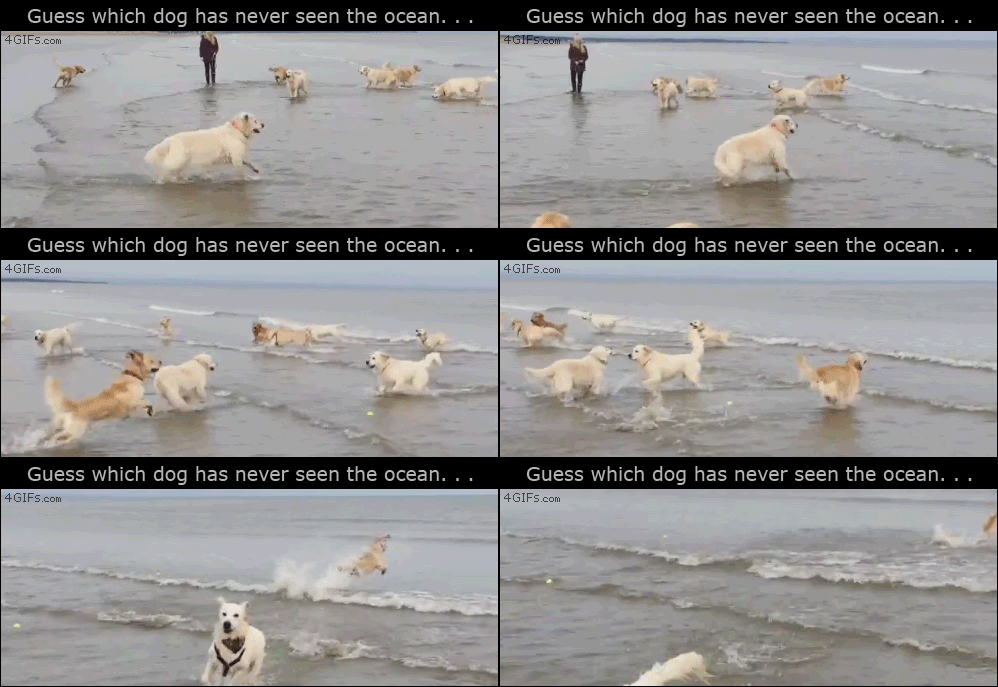
Never seen the ocean

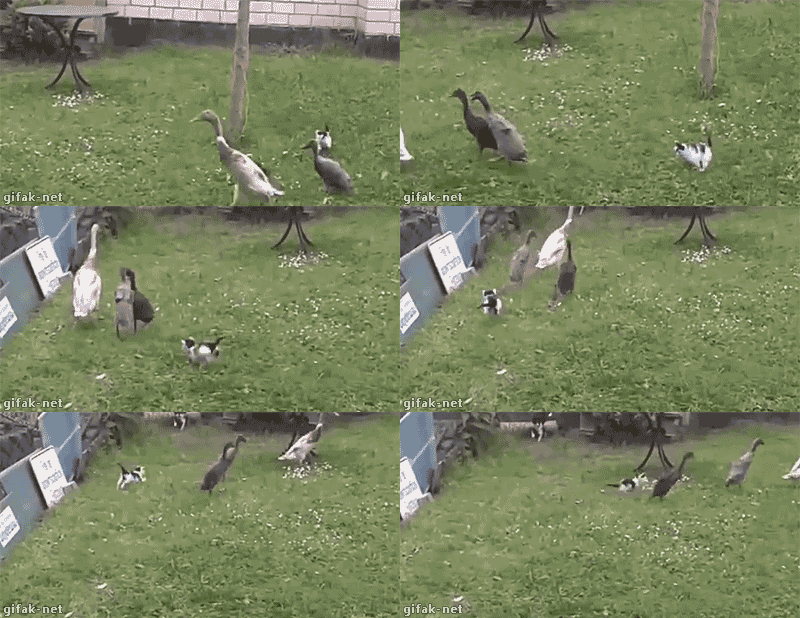
A fun day

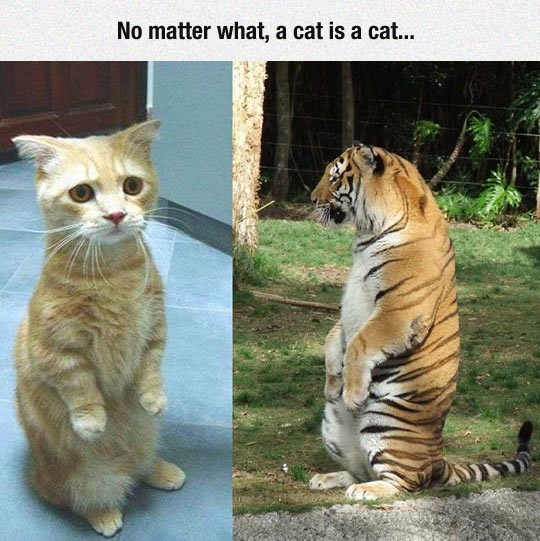
A cat is a cat

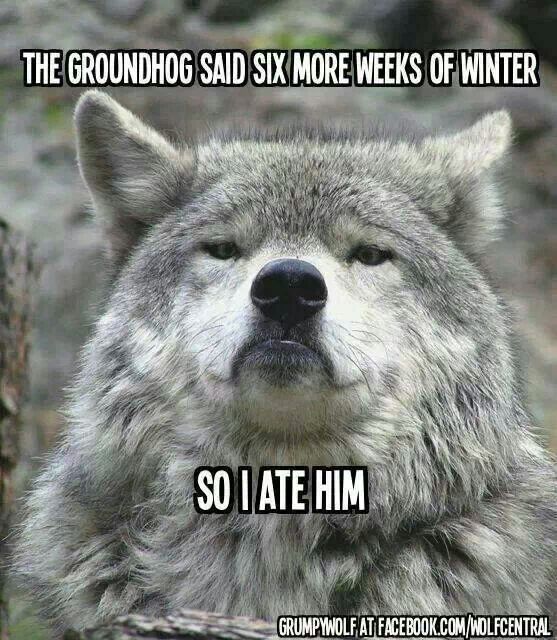
Happy Groundhog Day!

Groundhog

Toronto Zoo Giant Panda vs Snowman

Saving a beached Orca

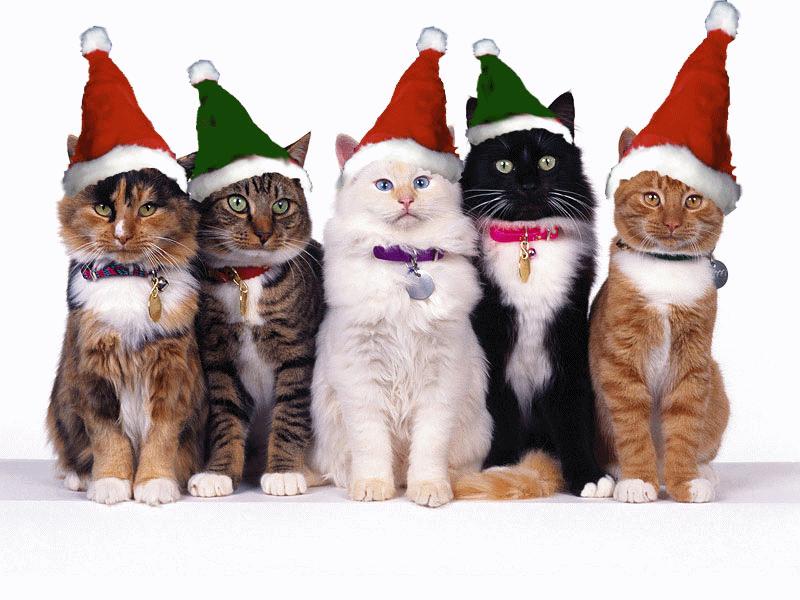
Christmas Kitties

Christmas Kitties

Polar Bear petting a dog

David de Meulles, a freestyle rider, a mechanic and sometime guide for Northstar Tours in Churchill, Manitoba, captured the amazing sight of a surprisingly gentle polar bear affectionately petting the head of a very calmly receptive Canadian Eskimo dog. The leashed dog enjoyed the brief head rub before getting up, shaking it off and slowly walking away with the bear in tow with the tether. De Meulles spoke with CBC News about the polar bear.

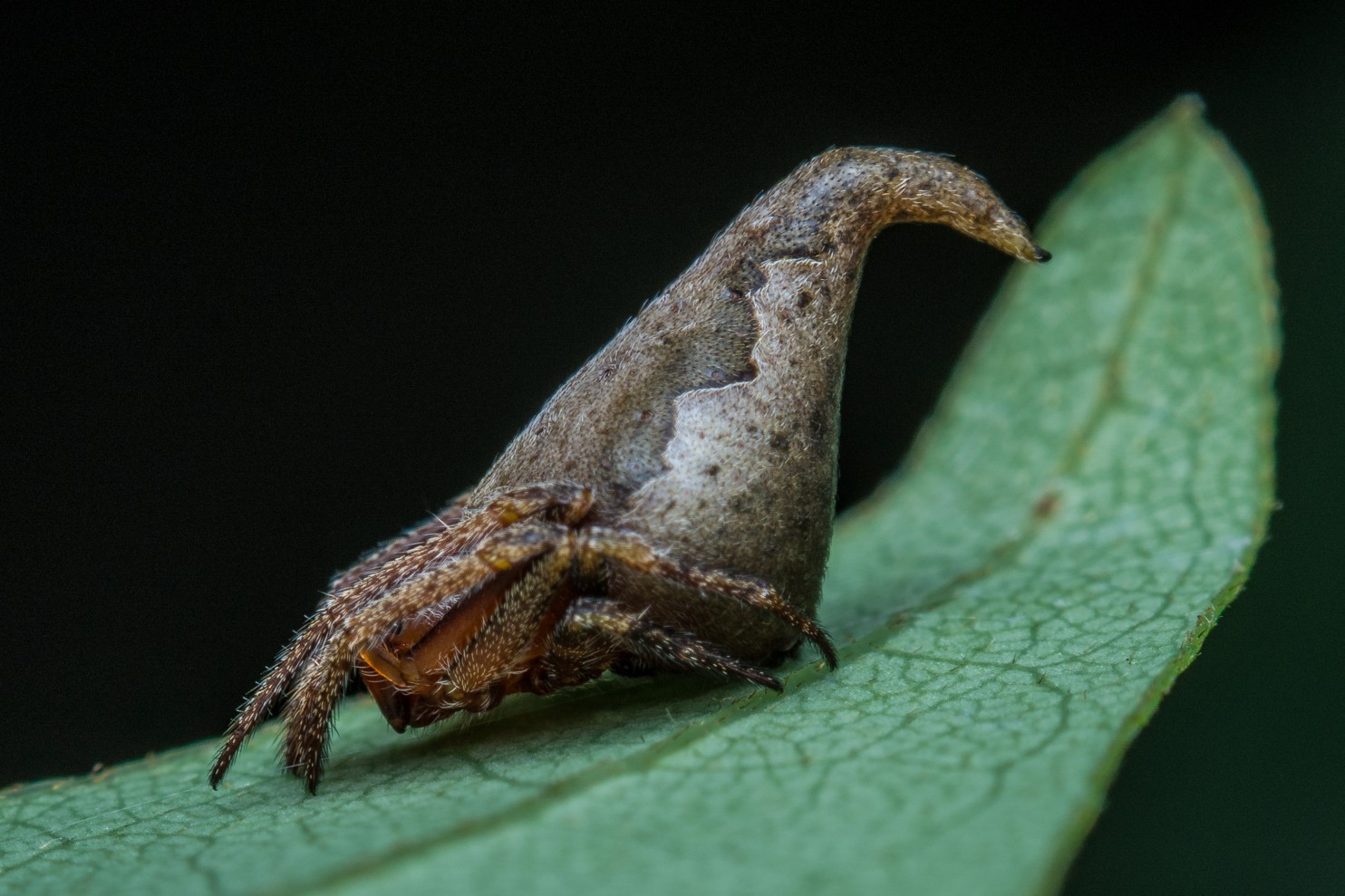
This new spider species looks like the Hogwarts’s sorting hat

Meet Eriovixia gryffindori, a fantastic beast discovered in our very own Muggle world and named after a character in the Harry Potter book series, The Washington Post reports. The new spider species resembles the Sorting Hat—a wide-brimmed, brown-tinged, floppy, triangular hat that once belonged to Godric Gryffindor, a founder of Hogwarts School of Witchcraft and Wizardy. (For the not-so-diehard Potterheads out there: The magical hat places first-year witches and wizards into one of four houses each named after a founder of the school.) The researchers found the critter in Western Ghats mountains, a biodiversity hotspot along India’s western coast. Even J. K. Rowling, the “wordsmith extraordinaire,” as the scientists called her in their paper published in the Indian Journal of Arachnology chimed in on the finding via Twitter: “I’m truly honored! Congratulations on discovering another fantastic beast!” she wrote.

Jungle Boogie

Lichen Katydid

Talented wildlife photographer David Weiller has captured absolutely gorgeous footage of a beautiful markia hystrix, better known as a lichen katydid as it delicately walked along the branch of a tree covered in the distinctive white filamentous lichen for which the graceful insect was named.

Katydids comprise a diverse group of insects particularly well adapted to survival in rainforest because of their exceptional camouflage. Most katydids are well camouflaged with brown or leaflike green markings. The Lichen Katydid, Markia hystrix (Orthoptera – Tettigoniidae), however, has one of the most incredible camouflages of all. It resembles the pale greenish-white lichens on which it lives in rainforest treetops. Not only does the color match the lichens, but the body and legs have a bizarre assortment of spines and points that blend well with lichens, in fact, so well that this insect is extremely difficult for predator to find.

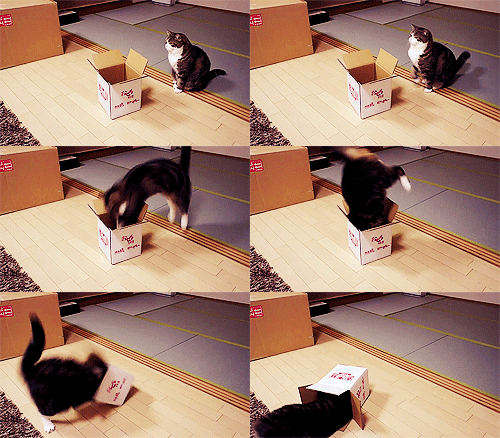
I don’t fits

i_dont_fits