
Astronauts aboard the @Space_Station captured this amazing image of the Moon’s shadow over the U.S. during #SolarEclipse2017.
Astronauts aboard the @Space_Station captured this amazing image of the Moon’s shadow over the U.S. during #SolarEclipse2017.
Posted in Because I Can, Events
Sorry about the ads, was worth it to see this…
[iframe width=”540″ height=”304″ frameborder=”0″ scrolling=”no” src=http://www.courier-journal.com/videos/embed/103826344]
It will be the first total solar eclipse visible in the continental U.S. in 38 years (last one was in the 1979). The next total solar eclipse visible over the continental U.S. will be on April 8, 2024, which is 7 years away.
Posted in Because I Can, Events

73rd Annual Rodeo August 2 – August 5, 2017
Wednesday thru Saturday Evening Performances 8:00 P.M.
Saturday Afternoon Performance 2:00 P.M.
Famous Beef Barbeque Dinners Each Evening 5:00-7:30 P.M.
– Click to see the brochure (link removed)
Posted in Because I Can, Critters, Events, Food
A grey-hat hacker going by the name of Stackoverflowin has pwned over 150,000 printers that have been left accessible online. For the past 24 hours, Stackoverflowin has been running an automated script that searches for open printer ports and sends a rogue print job to the target’s device. The script targets IPP (Internet Printing Protocol) ports, LPD (Line Printer Daemon) ports, and port 9100 left open to external connections. From high-end multi-functional printers at corporate headquarters to lowly receipt printers in small town restaurants, all have been affected. The list includes brands such as Afico, Brother, Canon, Epson, HP, Lexmark, Konica Minolta, Oki, and Samsung. The printed out message included recommendations for printer owners to secure their device. The hacker said that people who reached out were very nice and thanked him. The printers apparently spew out an ASCII drawing of a robot, along with the words “stackoverflowin the hacker god has returned. your printer is part of a flaming botnet… For the love of God, please close this port.” The messages sometimes also include a link to a Twitter feed named LMAOstack.
Posted in Because I Can, Events
Photographer Joshua Nowicki captured photographs of the St. Joseph lighthouse at the mouth of the St. Joseph River in Michigan and it’s beautifully (and completely) covered in ice. And because the thick icicles that accentuate the lighthouse are angled back from the strong winds, it looks like an alien sculpture that’s frozen in time.
This sort of crazy icy effect happens a lot to various structures when the cold hits but that doesn’t make it not stunning to see. You can see more photos from Nowicki here. They’re absolutely lovely.
Posted in Because I Can, Events
72nd Annual Rodeo August 3 – August 6, 2016
Wednesday thru Saturday Evening Performances 8:00 P.M.
Saturday Afternoon Performance 2:00 P.M.
Famous Beef Barbeque Dinners Each Evening 5:00-7:30 P.M.
– Click to see the brochure (link removed)
Posted in Because I Can, Critters, Events, Food
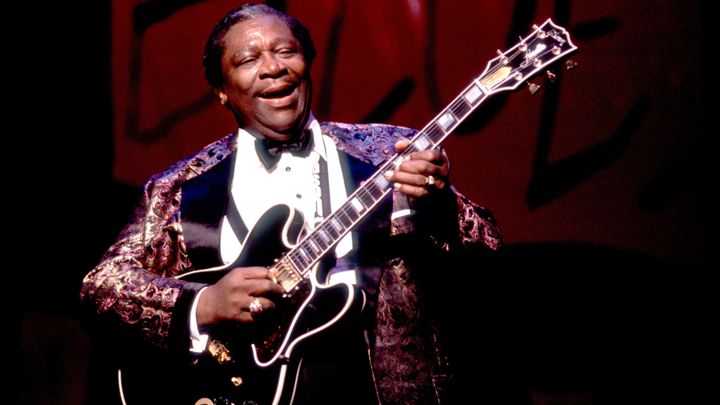
Riley “BB” King (September 16, 1925 – May 14, 2015)
B.B. King, 15-time Grammy Award winner, member of the Rock and Roll and Blue Foundation halls of fame, has passed at 89. Lucille has been widowed.
B.B., a name morphed from his Disc Jockey name at WDIA, Beale Street Blues Boy, has been a resounding voice in blues since the early 40s. His style, and Lucille, are some of the most famous names in blues.
The story of Lucille:
Posted in Events
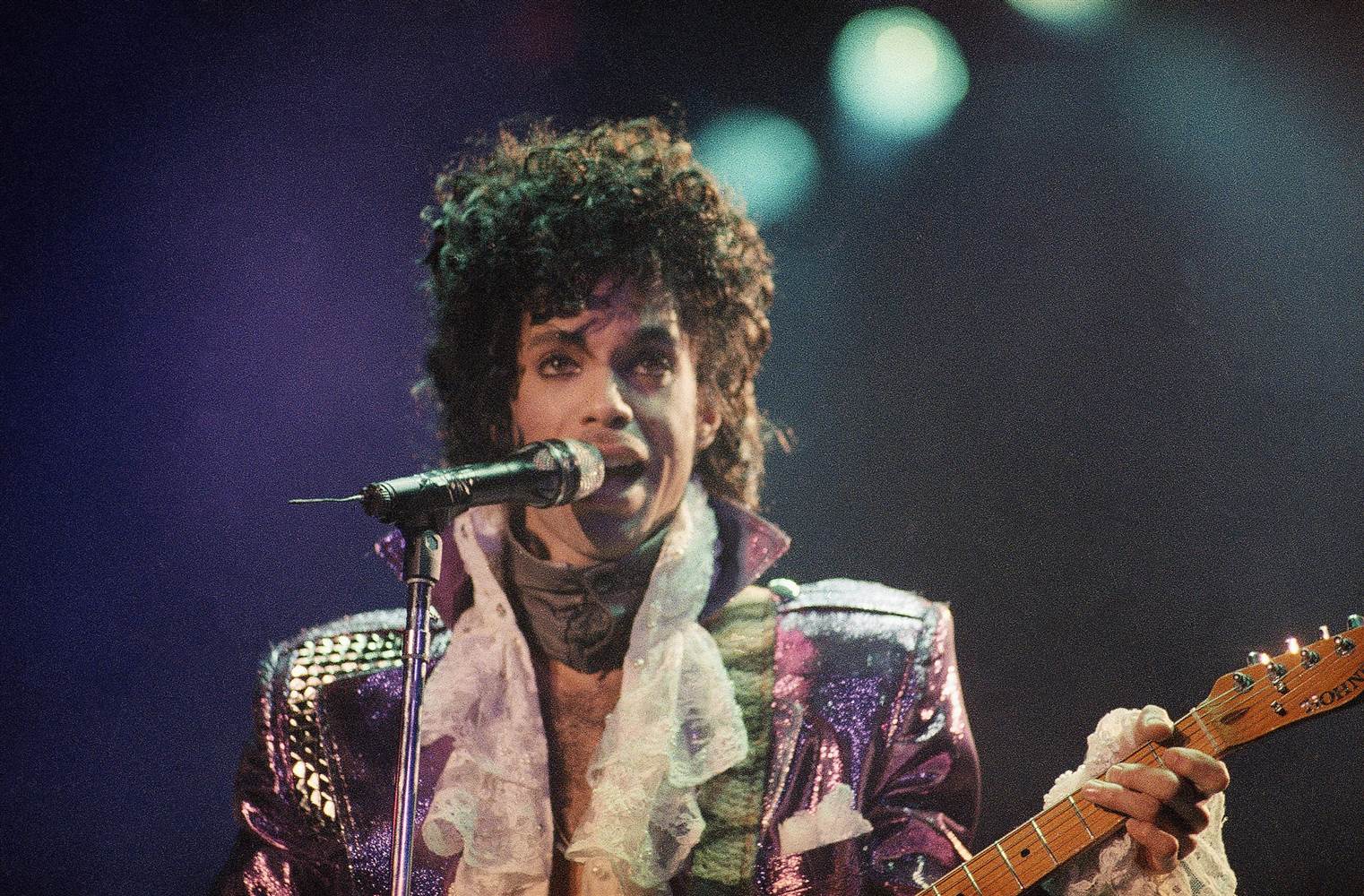
Prince (June 7, 1958 – April 21, 2016)
Prince Rogers Nelson was an American singer, songwriter, multi-instrumentalist, record producer, and actor. Prince was renowned as an innovator, and was widely known for his eclectic work, flamboyant stage presence, and wide vocal range. He was widely regarded as the pioneer of Minneapolis sound. His music integrates a wide variety of styles, including funk, rock, R&B, soul, hip hop, disco, psychedelia, jazz, and pop.
Hate to, but:
― Prince, 1999
Just after 6 p.m. on April 4, 1968, Martin Luther King Jr. is fatally shot while standing on the balcony outside his second-story room at the Motel Lorraine in Memphis, Tennessee. The civil rights leader was in Memphis to support a sanitation workers’ strike and was on his way to dinner when a bullet struck him in the jaw and severed his spinal cord. King was pronounced dead after his arrival at a Memphis hospital. He was 39 years old.
In the months before his assassination, Martin Luther King became increasingly concerned with the problem of economic inequality in America. He planned an interracial “Poor People’s March” on Washington and in March 1968 had traveled to Memphis in support of poorly treated African-American sanitation workers. On March 28, a workers’ protest march led by King ended in violence and the death of an African-American teenager. King left the city but vowed to return in early April to lead another demonstration.
On April 3, back in Memphis, King gave his last sermon, saying, “We’ve got some difficult days ahead, but it really doesn’t matter with me now. Because I’ve been to the mountaintop. And I don’t mind. Like anybody, I would like to live a long life; longevity has its place. But I’m not concerned about that now. I just want to do God’s will. And he’s allowed me to go up to the mountain, and I’ve looked over, and I’ve seen the promised land. I may not get there with you, but I want you to know tonight that we as a people will get to the promised land.”
One day after speaking those words, Dr. King was shot and killed by a sniper. As word of the assassination spread, riots broke out in cities all across the United States and National Guard troops were deployed in Memphis and Washington, D.C. On April 9, King was laid to rest in his hometown of Atlanta, Georgia. Tens of thousands of people lined the streets to pay tribute to King’s casket as it passed by in a wooden farm cart drawn by a single mule.
The evening of King’s murder, a Remington .30-06 hunting rifle was found on the sidewalk beside a rooming house one block from the Lorraine Motel. During the next several weeks, the rifle, eyewitness reports, and fingerprints on the weapon all implicated a single suspect: escaped convict James Earl Ray. A two-bit criminal, Ray escaped a Missouri prison in April 1967 while serving a sentence for a holdup. In May 1968, a massive manhunt for Ray began. The FBI eventually determined that he had obtained a Canadian passport under a false identity, which at the time was relatively easy.
On June 8, Scotland Yard investigators arrested Ray at a London airport. He was trying to fly to Belgium, with the eventual goal, he later admitted, of reaching Rhodesia. Rhodesia, now called Zimbabwe, was at the time ruled by an oppressive and internationally condemned white minority government. Extradited to the United States, Ray stood before a Memphis judge in March 1969 and pleaded guilty to King’s murder in order to avoid the electric chair. He was sentenced to 99 years in prison.
Three days later, he attempted to withdraw his guilty plea, claiming he was innocent of King’s assassination and had been set up as a patsy in a larger conspiracy. He claimed that in 1967, a mysterious man named “Raoul” had approached him and recruited him into a gunrunning enterprise. On April 4, 1968, he said, he realized that he was to be the fall guy for the King assassination and fled to Canada. Ray’s motion was denied, as were his dozens of other requests for a trial during the next 29 years.
During the 1990s, the widow and children of Martin Luther King Jr. spoke publicly in support of Ray and his claims, calling him innocent and speculating about an assassination conspiracy involving the U.S. government and military. U.S. authorities were, in conspiracists’ minds, implicated circumstantially. FBI Director J. Edgar Hoover obsessed over King, who he thought was under communist influence. For the last six years of his life, King underwent constant wiretapping and harassment by the FBI. Before his death, Dr. King was also monitored by U.S. military intelligence, which may have been asked to watch King after he publicly denounced the Vietnam War in 1967. Furthermore, by calling for radical economic reforms in 1968, including guaranteed annual incomes for all, King was making few new friends in the Cold War-era U.S. government.
Over the years, the assassination has been reexamined by the House Select Committee on Assassinations, the Shelby County, Tennessee, district attorney’s office, and three times by the U.S. Justice Department. The investigations all ended with the same conclusion: James Earl Ray killed Martin Luther King. The House committee acknowledged that a low-level conspiracy might have existed, involving one or more accomplices to Ray, but uncovered no evidence to definitively prove this theory. In addition to the mountain of evidence against him–such as his fingerprints on the murder weapon and his admitted presence at the rooming house on April 4–Ray had a definite motive in assassinating King: hatred. According to his family and friends, he was an outspoken racist who informed them of his intent to kill Dr. Martin Luther King, Jr. He died in 1998.
Posted in Events
I am here to chew bubblegum and kick ass… and I’m all outta bubblegum.
R.I.P Roddy Piper (April 17, 1954 – July 30, 2015)
Posted in Because I Can, Events, Sports, The Little Screen (Television)
71st Annual Rodeo August 5 – August 8, 2015
Wednesday thru Saturday Evening Performances 8:00 P.M.
Saturday Afternoon Performance 2:00 P.M.
Famous Beef Barbeque Dinners Each Evening 5:00-7:30 P.M.
– Click to see the brochure (Link removed)
Posted in Because I Can, Critters, Events, Food
Riley “BB” King (September 16, 1925 – May 14, 2015)
B.B. King, 15-time Grammy Award winner, member of the Rock and Roll and Blue Foundation halls of fame, has passed at 89. Lucille has been widowed.
B.B., a name morphed from his Disc Jockey name at WDIA, Beale Street Blues Boy, has been a resounding voice in blues since the early 40s. His style, and Lucille, are some of the most famous names in blues.
The story of Lucille:
Posted in Events
Apollo 13 was the seventh manned mission in the American Apollo space program and the third intended to land on the Moon. The craft was launched on April 11, 1970, at 13:13 CST from the Kennedy Space Center, Florida, but the lunar landing was aborted after an oxygen tank exploded two days later, crippling the Service Module (SM) upon which the Command Module (CM) depended. Despite great hardship caused by limited power, loss of cabin heat, shortage of potable water, and the critical need to jury-rig the carbon dioxide removal system, the crew returned safely to Earth on April 17.
The flight was commanded by James A. Lovell with John L. “Jack” Swigert as Command Module Pilot and Fred W. Haise as Lunar Module Pilot. Swigert was a late replacement for the original CM pilot Ken Mattingly, who was grounded by the flight surgeon after exposure to German measles.
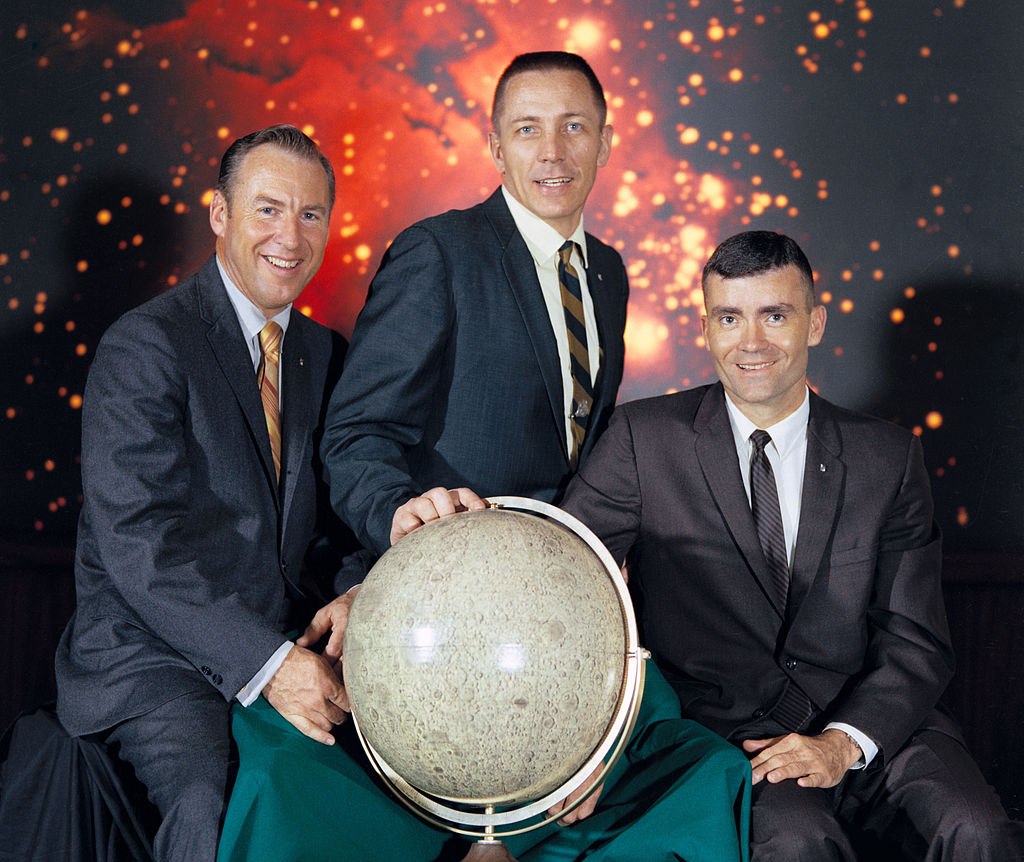
Apollo 13: Lovell, Swigert, Haise
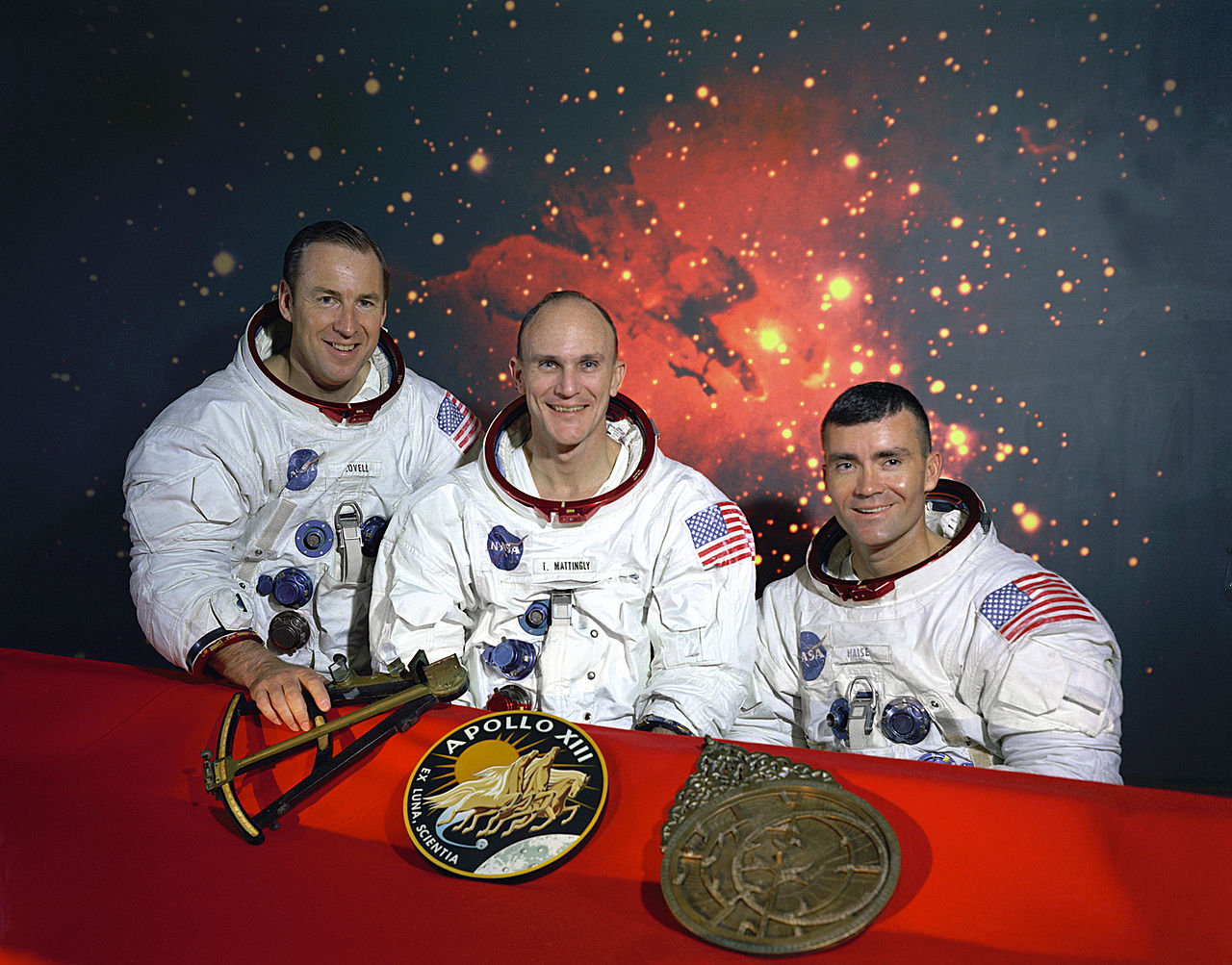
Original crew photo. Left to right: Lovell, Mattingly, Haise
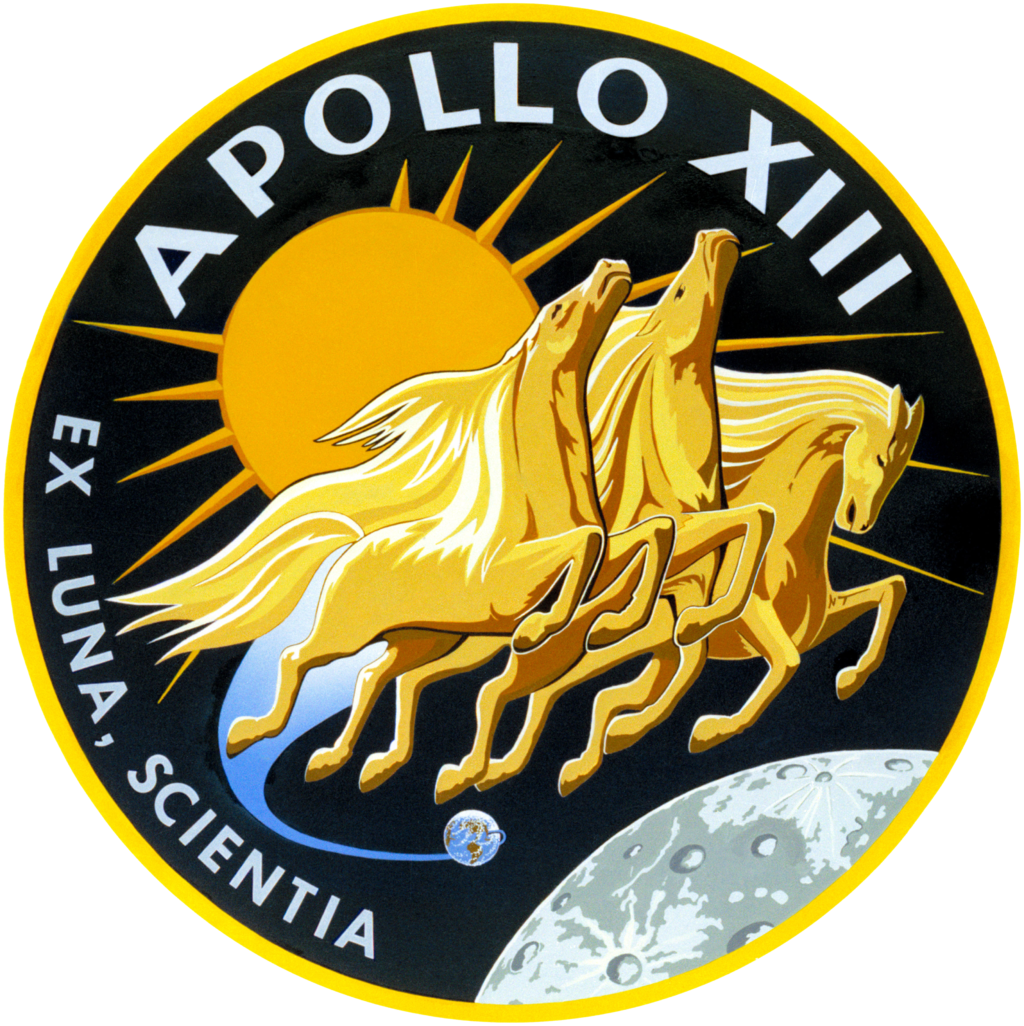
This is the insignia of the Apollo 13 lunar landing mission.
Posted in Events, On This Day, Patriotic
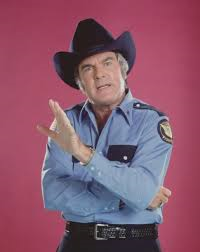
James Best as Sheriff Rosco P. Coltrane
James Best (July 26, 1926 – April 6, 2015) was an American actor, who in six decades of television is best known for his starring role as bumbling Sheriff Rosco P. Coltrane in the CBS television series The Dukes of Hazzard. He also worked as an acting coach, artist, college professor, and musician.
Best was born as Jules Franklin Guy in Powderly, Kentucky, on July 26, 1926. His mother was the sister of Ike Everly, the father of the pop duo The Everly Brothers. After his mother died in 1929, the three-year-old James was sent to live in an orphanage. He was later adopted by Armen Best (1897-1984) and his wife Essa (1896-1988) and went to live with them in Corydon, Indiana. He served honorably in the United States Army Air Forces as a gunner on a B-17 bomber during World War II.
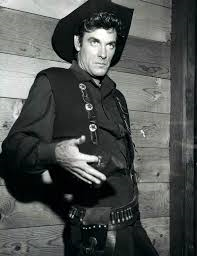
James Best on Frontier
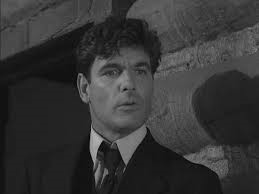
James Best on Twilight Zone
Posted in Events, The Little Screen (Television)
Just after 6 p.m. on April 4, 1968, Martin Luther King Jr. is fatally shot while standing on the balcony outside his second-story room at the Motel Lorraine in Memphis, Tennessee. The civil rights leader was in Memphis to support a sanitation workers’ strike and was on his way to dinner when a bullet struck him in the jaw and severed his spinal cord. King was pronounced dead after his arrival at a Memphis hospital. He was 39 years old.
In the months before his assassination, Martin Luther King became increasingly concerned with the problem of economic inequality in America. He planned an interracial “Poor People’s March” on Washington and in March 1968 had traveled to Memphis in support of poorly treated African-American sanitation workers. On March 28, a workers’ protest march led by King ended in violence and the death of an African-American teenager. King left the city but vowed to return in early April to lead another demonstration.
On April 3, back in Memphis, King gave his last sermon, saying, “We’ve got some difficult days ahead, but it really doesn’t matter with me now. Because I’ve been to the mountaintop. And I don’t mind. Like anybody, I would like to live a long life; longevity has its place. But I’m not concerned about that now. I just want to do God’s will. And he’s allowed me to go up to the mountain, and I’ve looked over, and I’ve seen the promised land. I may not get there with you, but I want you to know tonight that we as a people will get to the promised land.”
One day after speaking those words, Dr. King was shot and killed by a sniper. As word of the assassination spread, riots broke out in cities all across the United States and National Guard troops were deployed in Memphis and Washington, D.C. On April 9, King was laid to rest in his hometown of Atlanta, Georgia. Tens of thousands of people lined the streets to pay tribute to King’s casket as it passed by in a wooden farm cart drawn by a single mule.
The evening of King’s murder, a Remington .30-06 hunting rifle was found on the sidewalk beside a rooming house one block from the Lorraine Motel. During the next several weeks, the rifle, eyewitness reports, and fingerprints on the weapon all implicated a single suspect: escaped convict James Earl Ray. A two-bit criminal, Ray escaped a Missouri prison in April 1967 while serving a sentence for a holdup. In May 1968, a massive manhunt for Ray began. The FBI eventually determined that he had obtained a Canadian passport under a false identity, which at the time was relatively easy.
On June 8, Scotland Yard investigators arrested Ray at a London airport. He was trying to fly to Belgium, with the eventual goal, he later admitted, of reaching Rhodesia. Rhodesia, now called Zimbabwe, was at the time ruled by an oppressive and internationally condemned white minority government. Extradited to the United States, Ray stood before a Memphis judge in March 1969 and pleaded guilty to King’s murder in order to avoid the electric chair. He was sentenced to 99 years in prison.
Three days later, he attempted to withdraw his guilty plea, claiming he was innocent of King’s assassination and had been set up as a patsy in a larger conspiracy. He claimed that in 1967, a mysterious man named “Raoul” had approached him and recruited him into a gunrunning enterprise. On April 4, 1968, he said, he realized that he was to be the fall guy for the King assassination and fled to Canada. Ray’s motion was denied, as were his dozens of other requests for a trial during the next 29 years.
During the 1990s, the widow and children of Martin Luther King Jr. spoke publicly in support of Ray and his claims, calling him innocent and speculating about an assassination conspiracy involving the U.S. government and military. U.S. authorities were, in conspiracists’ minds, implicated circumstantially. FBI Director J. Edgar Hoover obsessed over King, who he thought was under communist influence. For the last six years of his life, King underwent constant wiretapping and harassment by the FBI. Before his death, Dr. King was also monitored by U.S. military intelligence, which may have been asked to watch King after he publicly denounced the Vietnam War in 1967. Furthermore, by calling for radical economic reforms in 1968, including guaranteed annual incomes for all, King was making few new friends in the Cold War-era U.S. government.
Over the years, the assassination has been reexamined by the House Select Committee on Assassinations, the Shelby County, Tennessee, district attorney’s office, and three times by the U.S. Justice Department. The investigations all ended with the same conclusion: James Earl Ray killed Martin Luther King. The House committee acknowledged that a low-level conspiracy might have existed, involving one or more accomplices to Ray, but uncovered no evidence to definitively prove this theory. In addition to the mountain of evidence against him–such as his fingerprints on the murder weapon and his admitted presence at the rooming house on April 4–Ray had a definite motive in assassinating King: hatred. According to his family and friends, he was an outspoken racist who informed them of his intent to kill Dr. Martin Luther King, Jr. He died in 1998.
Posted in Events
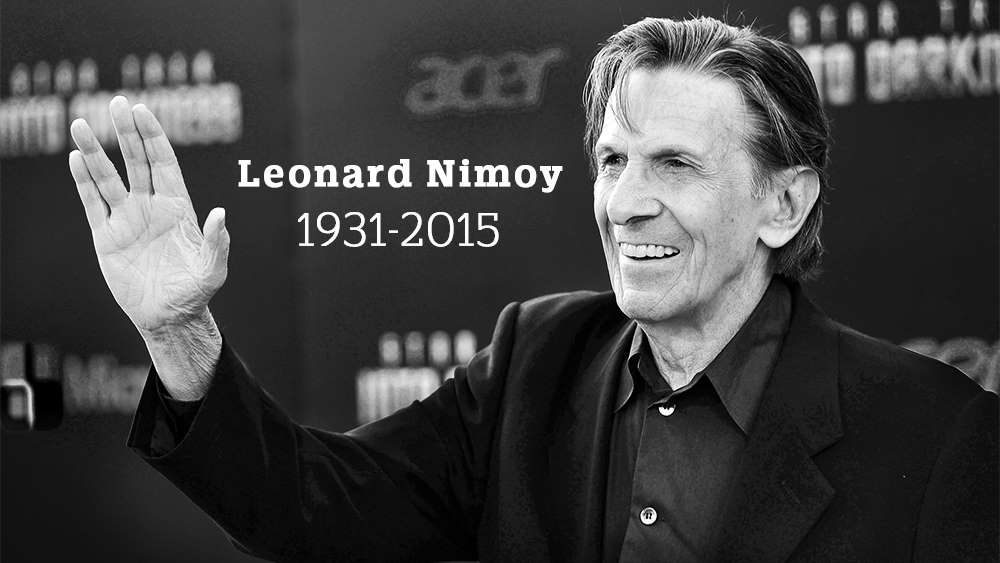
Leonard Simon Nimoy ( March 26, 1931 – February 27, 2015)
Blatently borrowed from Wikipedia:
Leonard Nimoy was an American actor, film director, poet, singer and photographer. Nimoy was best known for his role as Spock in the original Star Trek series (1966–69), and in multiple film, television and video game sequels.
Nimoy was born to Jewish migrant parents in Boston, Massachusetts. He began his career in his early twenties, teaching acting classes in Hollywood and making minor film and television appearances through the 1950s, as well as playing the title role in Kid Monk Baroni. Foreshadowing his fame as a semi-alien, he played Narab, one of three Martian invaders in the 1952 movie serial Zombies of the Stratosphere. In 1953, he served in the United States Army.
In 1965, he made his first appearance in the rejected Star Trek pilot The Cage, and went on to play the character of Mr. Spock until 1969, followed by eight feature films and guest slots in the various spin-off series. The character has had a significant cultural impact and garnered Nimoy three Emmy Award nominations; TV Guide named Spock one of the 50 greatest TV characters. After the original Star Trek series, Nimoy starred in Mission: Impossible for two seasons, hosted the documentary series In Search of…, and narrated Civilization IV, as well as making several well-received stage appearances. More recently, he also had a recurring role in the science fiction series Fringe.
Nimoy’s fame as Spock was such that both of his autobiographies, I Am Not Spock (1975) and I Am Spock (1995), were written from the viewpoint of sharing his existence with the character.
Death
In February 2014, Nimoy revealed that he had been diagnosed with chronic obstructive pulmonary disease (COPD). On Twitter, he said: “I quit smoking 30 yrs ago. Not soon enough. I have COPD. Grandpa says, quit now!! LLAP (Live Long and Prosper).” On February 19, 2015, Nimoy was rushed to UCLA Medical Center for severe chest pains after a call to 911. According to accounts, he had been in and out of hospitals for the “past several months.”
Nimoy died on February 27, 2015 in his Bel Air home from final complications of COPD, according to his wife Susan. He was 83 years old, and is survived by Susan and his two children and six grandchildren from his first marriage.
A few days before his passing, Nimoy shared some of his poetry on social media website Twitter. The final tweet that he sent out read: “A life is like a garden. Perfect moments can be had, but not preserved, except in memory. LLAP”.
Shatner said of his friend “I loved him like a brother […] We will all miss his humor, his talent, and his capacity to love.”
Zachary Quinto, who portrayed the younger “Spock” character in films Star Trek and Star Trek Into Darkness, commented on Nimoy’s death: “my heart is broken. i love you profoundly my dear friend. and i will miss you everyday. may flights of angels sing thee to thy rest.”
George Takei stated: “The word extraordinary is often overused, but I think it’s really appropriate for Leonard. He was an extraordinarily talented man, but he was also a very decent human being. His talent embraced directing as well as acting and photography. He was a very sensitive man. And we feel his passing very much. He had been ill for a long, long time, and we miss him very much.”
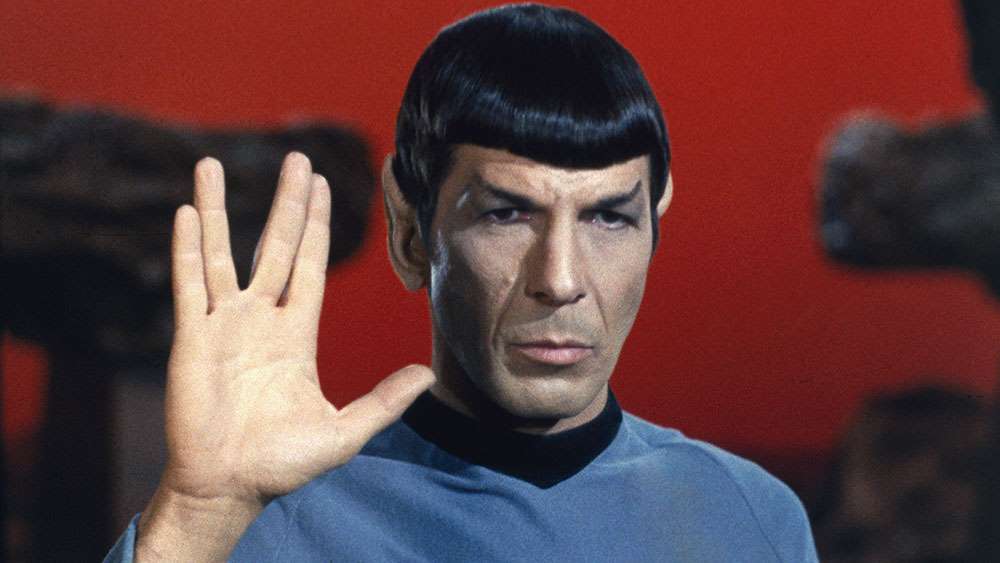
Leonard Nimoy as Spock
Posted in Because I Can, Events, The Big Screen, The Little Screen (Television)