Category Archives: Music

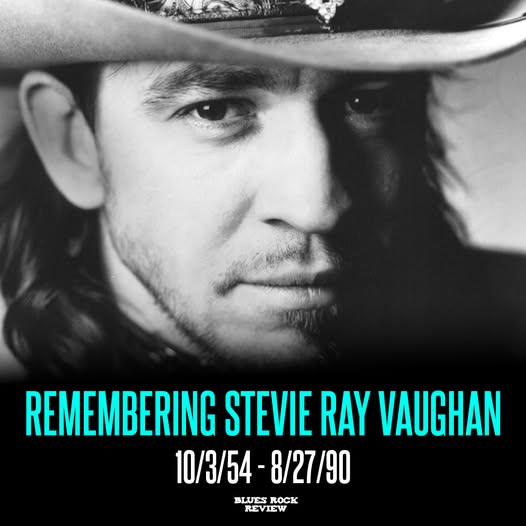
Remembering Stevie Ray Vaughan, 35 years later

On Monday, August 27, 1990, at 12:50 a.m. (CDT), Vaughan and members of Eric Clapton’s touring entourage played an all-star encore jam session at Alpine Valley Music Theatre in Alpine Valley Resort in East Troy, Wisconsin. They then left for Midway International Airport in Chicago in a Bell 206B helicopter, the most common way for acts to enter and exit the venue, as there is only one road in and out, heavily used by fans. The helicopter crashed into a nearby ski hill shortly after takeoff. Vaughan and the four others on board—pilot Jeff Brown, agent Bobby Brooks, bodyguard Nigel Browne, and tour manager Colin Smythe—died. The helicopter was owned by Chicago-based company Omniflight Helicopters. The Elkhorn coroner’s inquest found that all five men died instantaneously.

The investigation determined the aircraft departed in foggy conditions with visibility reportedly under 2 mi (3.2 km), according to a local forecast. The National Transportation Safety Board report stated: “As the third helicopter was departing, it remained at a lower altitude than the others, and the pilot turned southeasterly toward rising terrain. Subsequently, the helicopter crashed on hilly terrain about three-fifths of a mile from the takeoff point.” Federal Aviation Administration (FAA) records showed that Brown was qualified to fly by instruments in a fixed-wing aircraft, but not in a helicopter. Toxicology tests performed on the victims revealed no traces of drugs or alcohol in their systems. Vaughan’s funeral service was held on August 31, 1990, at Laurel Land Cemetery in Dallas, Texas. His wooden casket quickly became adorned with bouquets of flowers. An estimated 3,000 mourners joined a procession led by a white hearse. Among those at the public ceremony were Jeff Healey, Charlie Sexton, ZZ Top, Colin James, Stevie Wonder, Bonnie Raitt and Buddy Guy. Vaughan’s grave marker reads: “Thank you … for all the love you passed our way.”

Vaughan’s older brother, guitarist Jimmie Vaughan, was reputedly so devastated by his death that he almost quit playing guitar.
Wikipedia Article

Anniversary of Mary Poppins

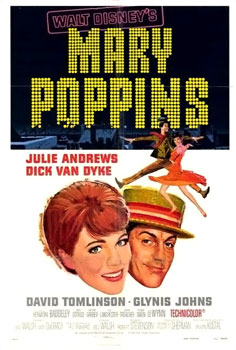
Mary Poppins is a 1964 American musical fantasy comedy film directed by Robert Stevenson and produced by Walt Disney, with songs written and composed by the Sherman Brothers. The screenplay is by Bill Walsh and Don DaGradi, based on P. L. Travers’s book series Mary Poppins. The film, which combines live-action and animation, stars Julie Andrews in her feature film debut as Mary Poppins, who visits a dysfunctional family in London and employs her unique brand of lifestyle to improve the family’s dynamic. Dick Van Dyke, David Tomlinson, and Glynis Johns are featured in supporting roles. The film was shot entirely at the Walt Disney Studios in Burbank, California, using painted London background scenes.

Wikipedia Link

Awesome article on Disney

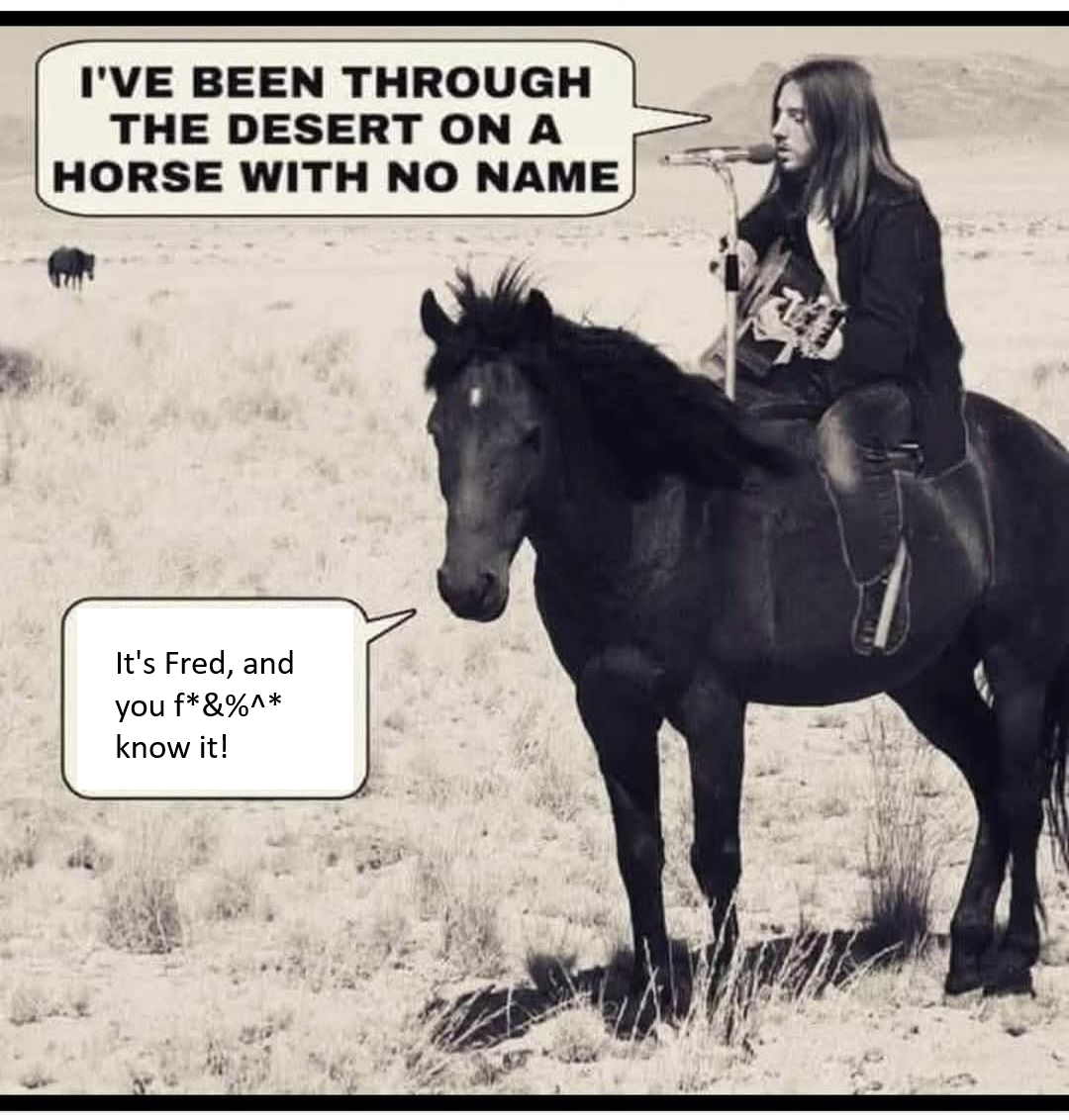
Fred

Ozzy meets Mac Sabbath

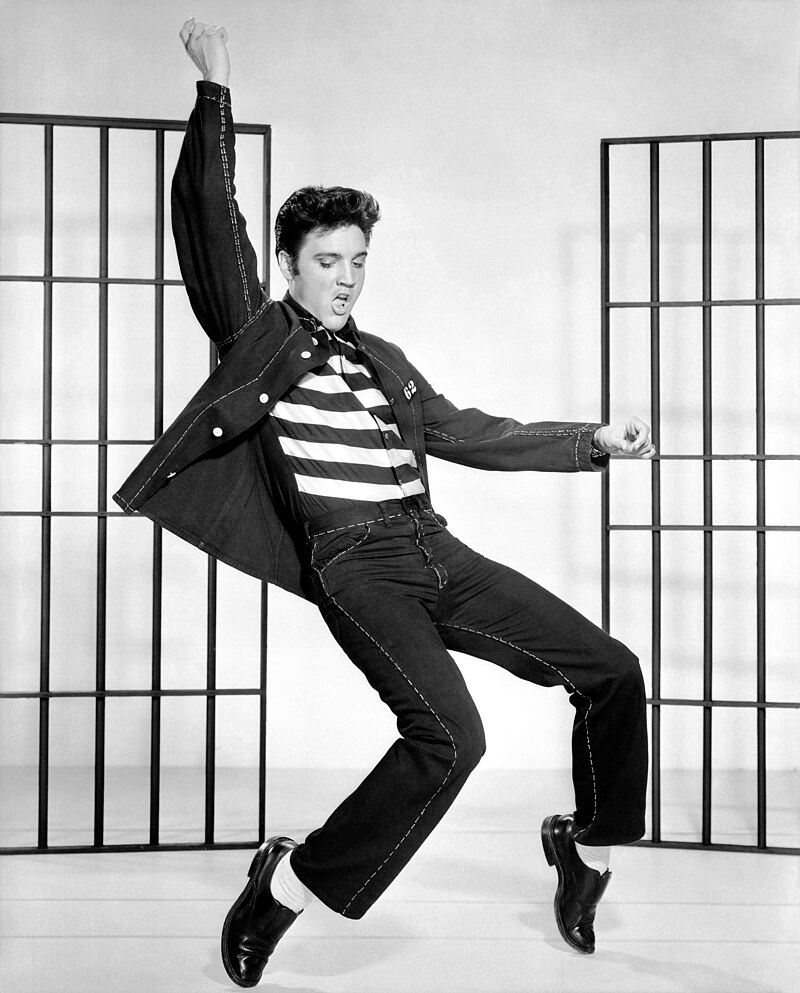
RIP Elvis!

’nuff said!

Elvis Aaron Presley (January 8, 1935 – August 16, 1977), also known mononymously as Elvis, was an American singer and actor. Regarded as one of the most significant cultural icons of the 20th century, he is often referred to as the “King of Rock and Roll” or simply “the King”.

Pull the Twine

Belle of Louisville Tribute to Ozzy

Mahna Mahna on Twin Neck Guitar

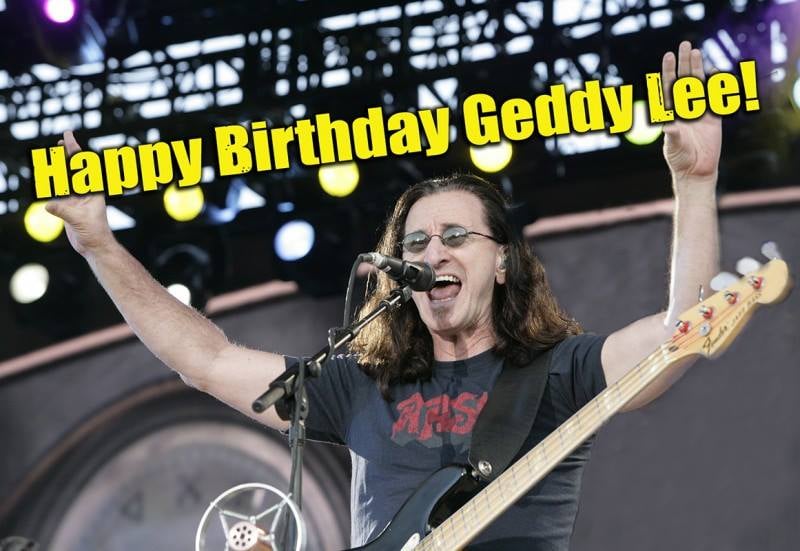
Happy Birthday, Geddy Lee

Geddy Lee (July 29, 1953- )

Brian Johnson’s story of writing “Back in Black”

Back in Black” is a song by Australian rock band AC/DC. It was released as the second US single from their seventh album of the same name in 1980. Notable for its opening guitar riff, the song was written as a tribute to the band’s former singer Bon Scott, who died suddenly in February 1980.

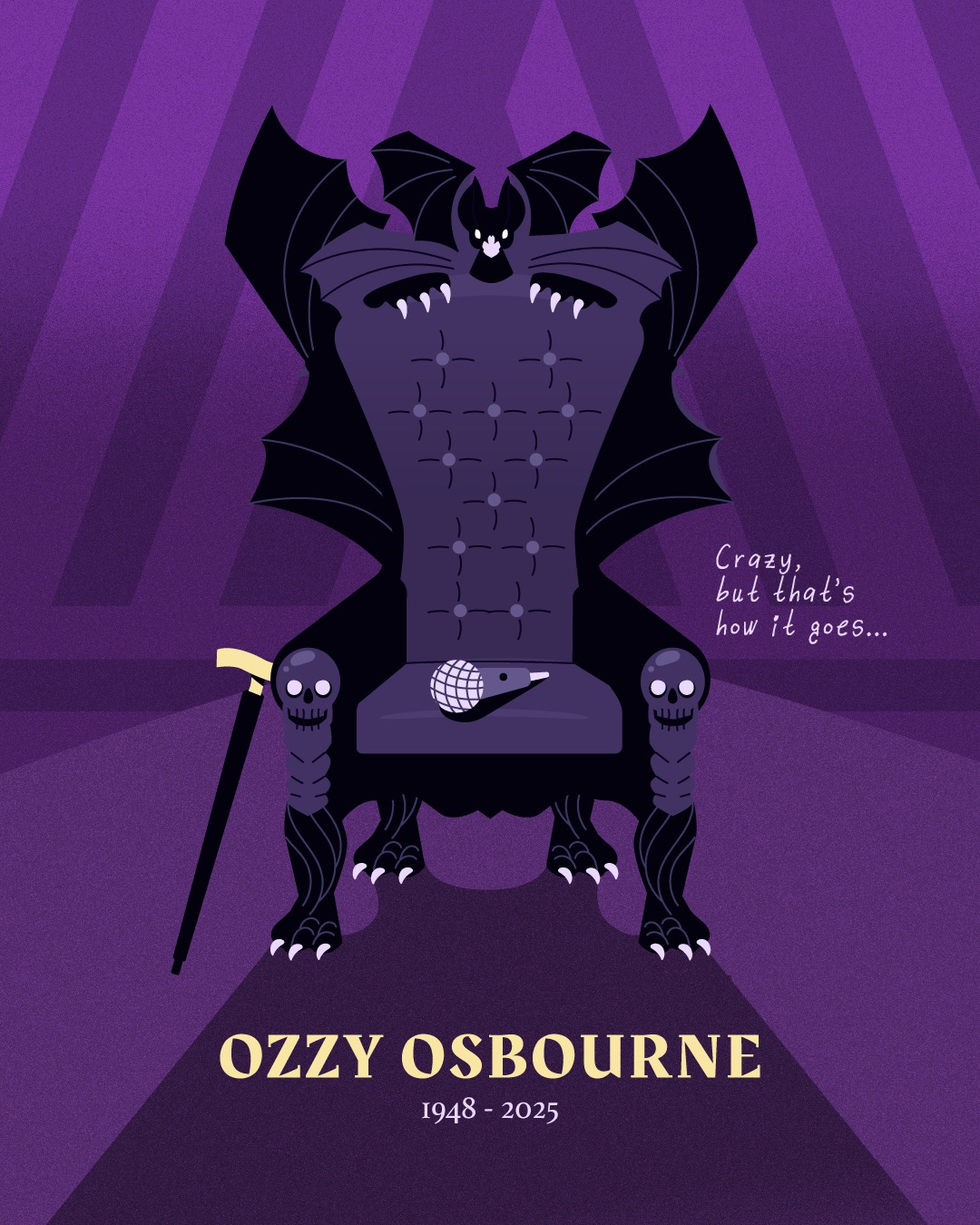
RIP Ozzy Osbourne

KISS Final Show Ever

Happy Birthday, Kris Kristofferson

Kristoffer “Kris” Kristofferson is an influential American country music songwriter, singer and actor. He is best known for hits such as “Me and Bobby McGee”, “Sunday Mornin’ Comin’ Down”, and “Help Me Make It Through the Night”.

Kris Kristofferson
Kris Kristofferson (June 22, 1936 – )

Wikipedia Link

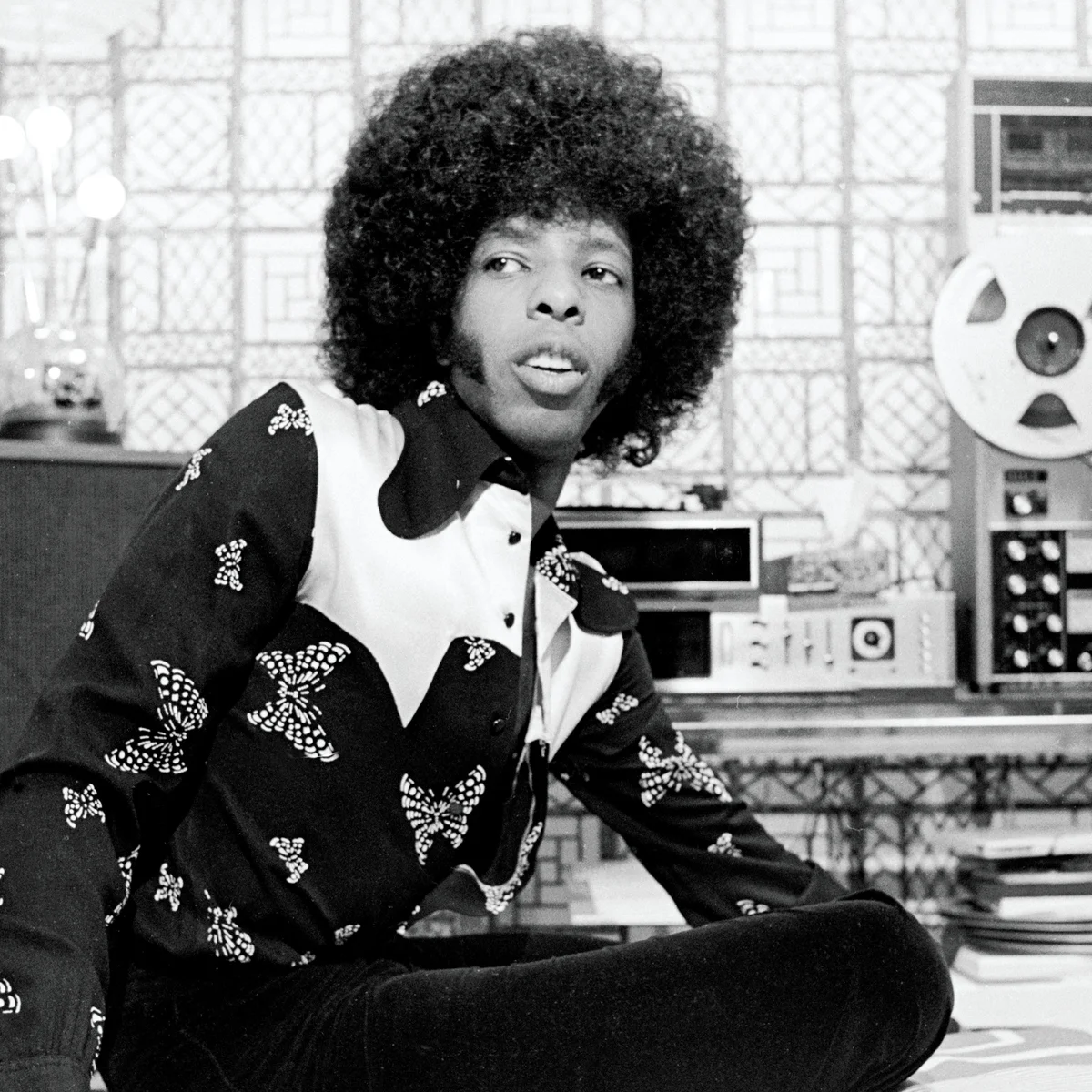
RIP Sly Stone

Sly Stone (March 15, 1943 – June 9, 2025)

Sylvester Stewart, better known by his stage name Sly Stone, was an American musician, songwriter, and record producer who was most famous for his role as frontman for Sly and the Family Stone, playing a critical role in the development of funk with his pioneering fusion of soulrockpsychedelia, and gospel in the 1960s and 1970s. AllMusic stated that “James Brown may have invented funk, but Sly Stone perfected it,” and credited him with “creating a series of euphoric yet politically charged records that proved a massive influence on artists of all musical and cultural backgrounds.” Crawdaddy! has credited him as the founder of the “progressive soul” movement.

“It is with profound sadness that we announce the passing of our beloved dad, Sly Stone of Sly and the Family Stone,” according to a statement from his family. “After a prolonged battle with COPD and other underlying health issues, Sly passed away peacefully, surrounded by his three children, his closest friend, and his extended family. While we mourn his absence, we take solace in knowing that his extraordinary musical legacy will continue to resonate and inspire for generations to come.”

He was 82.

Wikipedia Article

More Than A Name On A Wall – Statler Brothers

I saw her from a distance
As she walked up to the wall
In her hand, she held some flowers
As her tears began to fall

And she took out pen and paper
As to trace her memories
She looked up to heaven
And the words she said were these

She said, “Lord, my boy was special, and he meant so much to me
And though I’d love to see him just one more time, you see
All I have are the memories and the moments to recall
So Lord, could you tell him, he’s more than a name on a wall?”

She said, “He really missed the family
And being home on Christmas day
And he died for God and Country
In a place so far away”

“I remember just a little boy
Playing war since he was three
Lord, this time I know
He’s not coming home to me”

She said, “Lord, my boy was special, and he meant so much to me
And though I’d love to see him, but I know it just can’t be
So I thank you for my memories and the moments to recall
But Lord, could you tell him, he’s more than a name on a wall?”

Lord, could you tell him
He’s more than a name on a wall?

Who remembers?

“Für Elise” on a very special guitar

The incomplete history of the music video

David Tennant performs 500 Miles at BAFTAs!

The Day The Music Died

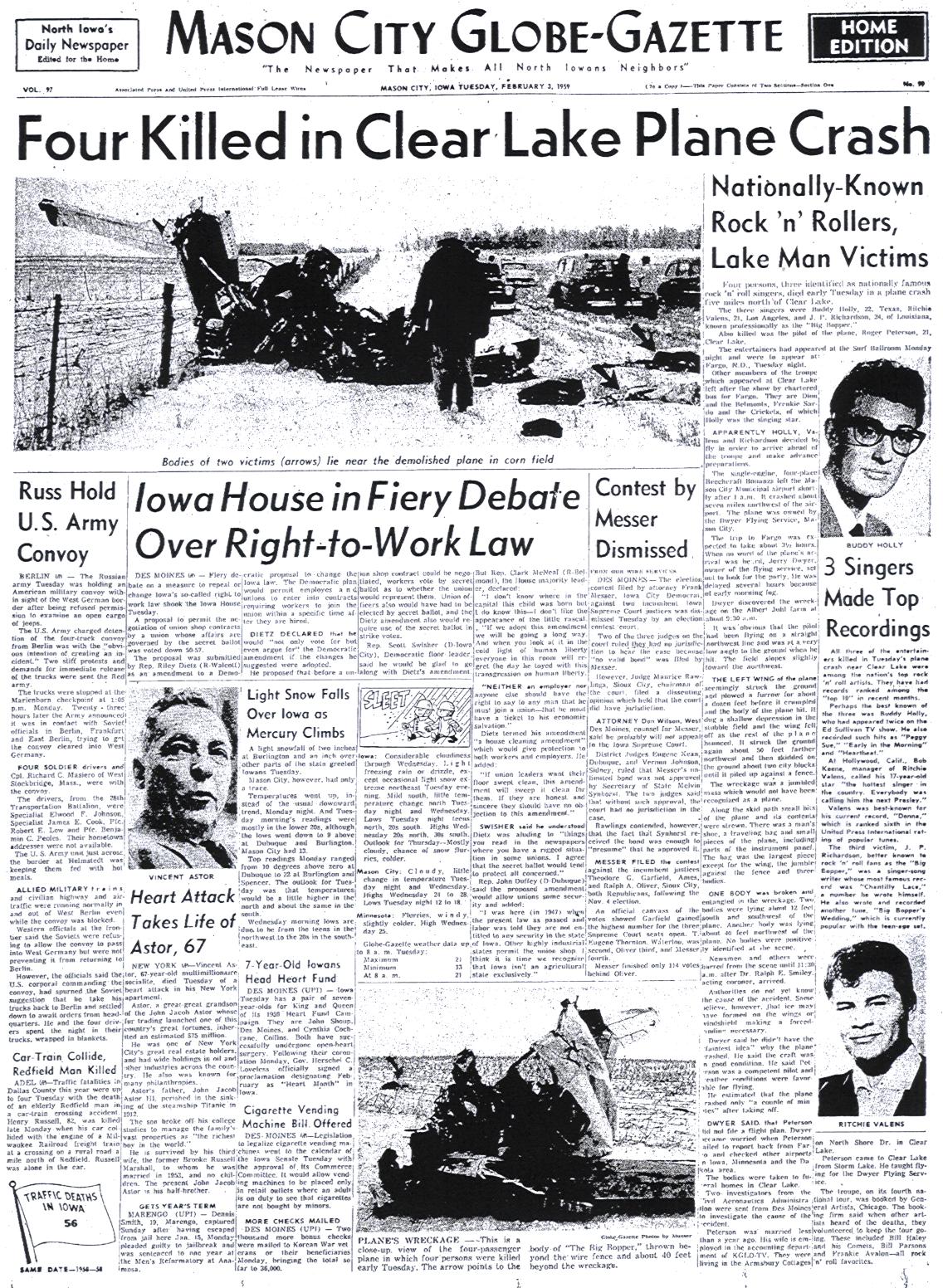
On February 3, 1959, rising American rock stars Buddy Holly, Ritchie Valens and J.P. “The Big Bopper” Richardson are killed when their chartered Beechcraft Bonanza plane crashes in Iowa a few minutes after takeoff from Mason City on a flight headed for Moorhead, Minnesota. Investigators blamed the crash on bad weather and pilot error. Holly and his band, the Crickets, had just scored a No. 1 hit with “That’ll Be the Day.”

After mechanical difficulties with the tour bus, Holly had chartered a plane for his band to fly between stops on the Winter Dance Party Tour. However, Richardson, who had the flu, convinced Holly’s band member Waylon Jennings to give up his seat, and Ritchie Valens won a coin toss for another seat on the plane.

Holly, born Charles Holley in Lubbock, Texas, and just 22 when he died, began singing country music with high school friends before switching to rock and roll after opening for various performers, including Elvis Presley. By the mid-1950s, Holly and his band had a regular radio show and toured internationally, playing hits like “Peggy Sue,” “Oh, Boy!,” “Maybe Baby” and “Early in the Morning.” Holly wrote all his own songs, many of which were released after his death and influenced such artists as Bob Dylan and Paul McCartney.

Another crash victim, J.P. “The Big Bopper” Richardson, 28, started out as a disk jockey in Texas and later began writing songs. Richardson’s most famous recording was the rockabilly “Chantilly Lace,” which made the Top 10. He developed a stage show based on his radio persona, “The Big Bopper.”

The third crash victim was Ritchie Valens, born Richard Valenzuela in a suburb of Los Angeles, who was only 17 when the plane went down but had already scored hits with “Come On, Let’s Go,” “Donna” and “La Bamba,” an upbeat number based on a traditional Mexican wedding song (though Valens barely spoke Spanish). In 1987, Valens’ life was portrayed in the movie La Bamba, and the title song, performed by Los Lobos, became a No. 1 hit. Valens was posthumously inducted into the Rock and Roll Hall of Fame in 2001.

Singer Don McLean memorialized Holly, Valens and Richardson in the 1972 No. 1 hit “American Pie,” which refers to February 3, 1959 as “the day the music died.”