Category Archives: Planes Trains and Automobiles

Dreamliner 787 makes first commercial flight

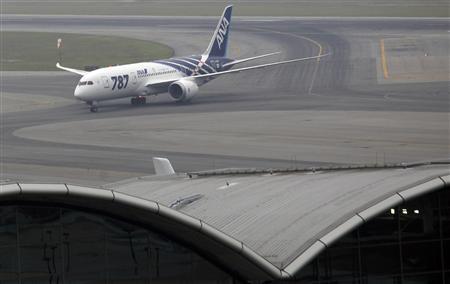
Boeing Dreamliner lands in Hong Kong after 1st commercial flight

The Boeing Co Dreamliner, the world’s first carbon-composite airliner, flew to Hong Kong from Tokyo carrying its first paying passengers today in a flight that could set a new benchmark in air travel.

Its takeoff into clear blue skies after a salute and shower by an airport fire truck came exactly 53 years after Boeing’s first ever jetliner, the 707, began commercial services in the Pan Am colors.

The Dreamliner does not fly any faster than that first aircraft, but it is not supposed to. Instead, it is designed to make the hours aloft more pleasant for passengers and cheaper to fly for owners battling for profit amid the rise of low cost carriers.

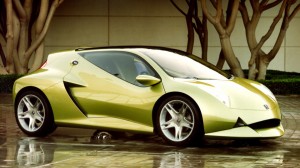
Honda GRX

Honda GRX Concept

Click for larger image

Had it been built as designed, the Honda GRX concept would likely have been the true spiritual successor to the much-loved CRX. Created for the 2006 Michelin Challenge Design competition and shown at the Detroit auto show that year, the compact GRX was exceptionally light, and so its Honda Goldwing-derived 1,500cc six-cylinder, horizontally opposed engine was a viable powertrain.

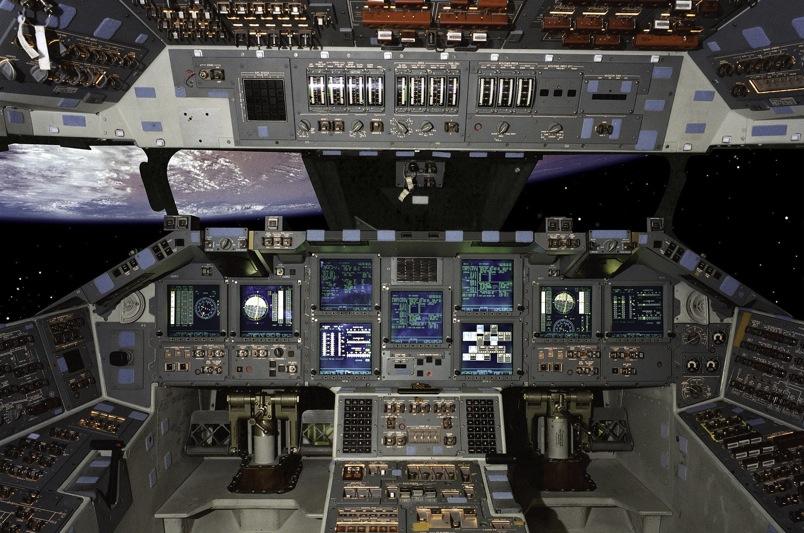
Space Shuttle Cockpit

Space Shuttle Cockpit

Click for larger image

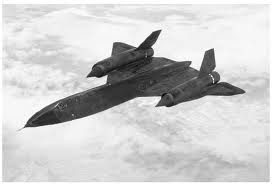
SR-71 ‘Blackbird’ Sets ‘Speed Over a Recognized Course’ record

SR-71

The SR-71 holds the “Speed Over a Recognized Course” record for flying from New York to London distance 3,508 miles (5,646 km), 1,435.587 miles per hour (2,310.353 km/h), and an elapsed time of 1 hour 54 minutes and 56.4 seconds, set on September 1, 1974 while flown by U.S. Air Force Pilot Maj. James V. Sullivan and Maj. Noel F. Widdifield, reconnaissance systems officer (RSO). This equates to an average velocity of about Mach 2.68, including deceleration for in-flight refueling. Peak speeds during this flight were probably closer to the declassified top speed of Mach 3.2+. For comparison, the best commercial Concorde flight time was 2 hours 52 minutes, and the Boeing 747 averages 6 hours 15 minutes.

Wikipedia Link

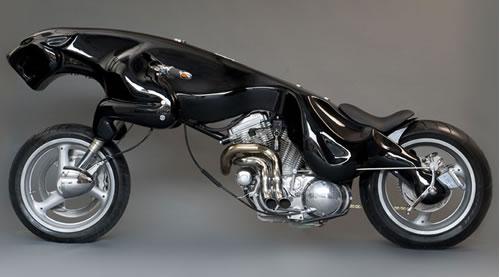
Jaguar Motorcycle

Knight on a motorcycle

Falcon HTV-2 Launched, and Lost


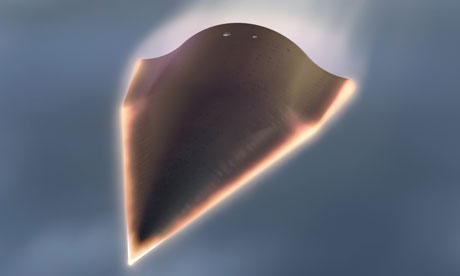
Artist’s rendition of the Falcon HTV-2, an unmanned, rocket-launched aircraft that flies at approximately 13,000 miles per hour. Photograph: AP/DARPA

By the time you finish reading this sentence, the Falcon HTV-2, the fastest plane ever built, could have flown 18 miles. It could travel from London to Sydney in less than an hour and cross the US mainland, from New York to Los Angeles, in 12 minutes.

Launched:

At 3pm BST on Thursday , the US Defence Advance Research Projects Agency launched the Falcon Hypersonic Technology Vehicle 2 on the back of a rocket from the Vandenberg Air Force Base in California. If all goes according to plan, engineers will launch the Falcon HTV-2 to the edge of space, before detaching the plane and guiding it on a hypersonic flight that will reach speeds of 13,000mph (about 20 times the speed of sound) on its return to Earth.

The plane has been tested in computer models and wind tunnels, but they can only simulate speeds up to Mach 15 (11,400mph). A real test is the only way to determine if the plane will remain flying at high speeds.

Thursday’s flight will also test the carbon composite materials designed to withstand the extreme temperatures the plane will experience on its skin and also the navigation systems that will control its trajectory as it moves at almost four miles per second.

The design and flight pattern of the plane has been tweaked since an aborted test flight in April last year. Nine minutes into that mission, which succeeded in flying for 139 seconds at Mach 22 (16,700mph), the onboard computer detected an anomaly and ordered the plane to ditch into the ocean for safety reasons.

Lost:

After separating from the rocket at the edge of space and beginning its return to Earth, the aircraft went silent during the gliding stage of the test flight, when it was due to perform a series of manoeuvres as it hurtled through the atmosphere.

Officials at the US Defence Advance Research Projects Agency (Darpa) announced they had lost communication with the speeding craft at 4.21pm BST, 36 minutes into the flight.

The plane was born from a Darpa plan called Prompt Global Strike, which sought to give military commanders the ability to strike targets anywhere in the world within an hour. Had the project worked, the Falcon HTV might have replaced intercontinental ballistic missiles.

The loss of the hypersonic aircraft is a serious setback for engineers trying to perfect the art of flying at such spectacular speeds.

Darpa only built two Falcon prototypes and has no plans to manufacture any more. This test flight was their last shot at success before the project is considered for closure.

Had the latest test flight gone to plan, the Falcon HTV-2 would have separated from its rocket high above the atmosphere and entered a steep dive before levelling out and performing a series of subtle manoeuvres to test its aerodynamic performance. At the end of the flight the plane would have rolled upside down and steered a graceful arc into the ocean.

Engineers had hoped the flight would provide crucial information on the plane’s performance, including the resilience of its carbon composite body and navigation systems supposed to keep it on course as it moved at almost four miles per second.

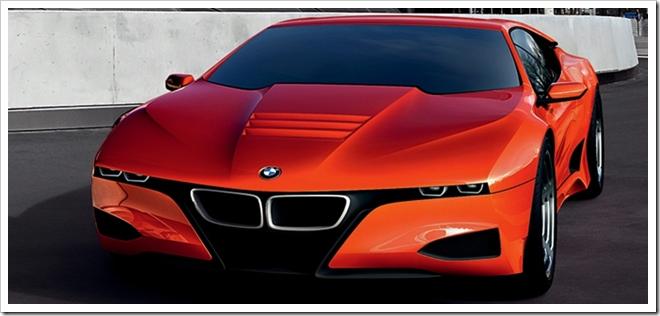
BMW M1 Concept


BMW M1 Concept

In April 2008, BMW unveiled the M1 Homage concept, to commemorate the 30th anniversary of the M1. The concept vehicle uses a mid-engine layout that borrows styling cues from both the original M1 and the BMW Turbo show car.[5]

BMW has confirmed that the M1 Homage will not be produced.

Wikipedia Link

42nd Annual Street Rod Nationals

NSRA Street Rod Nationals

August 4 – 7, 2011
Kentucky Exposition Center
Louisville, Kentucky

Official Site

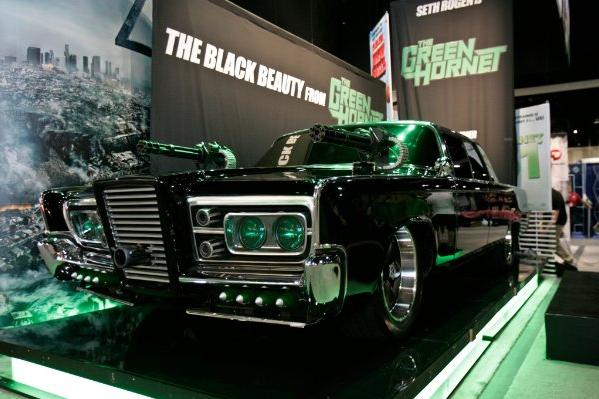
Black Beauty

Black Beauty

USMC Motorcycle

USMC Motorcycle

Hoe Knife

Hoe Knife 1

Hoe Knife 2

Hoe Knife 3

A hoe weighing 8 tons is on top of a flatbed trailer and heading east on Interstate 70 near Hays, Kansas. The extended shovel arm is made of hardened refined steel and the approaching overpass is made of commercial-grade concrete, reinforced with 1 1/2 inch steel rebar spaced at 6 inch intervals in a criss-cross pattern layered at 1 foot vertical spacing.

Solve: When the shovel arm hits the overpass, how fast do you have to be going to slice the bridge in half? (Assume no effect for headwind and no braking by the driver.)

Quote


Photographs displayed above capture the aftermath of an accident that occurred on the evening of February 13, 2006 on Interstate 70 near Hays, Kansas. The driver of a semi-tractor trailer that was hauling a track hoe excavator on a flatbed misestimated the clearance at an overpass, and the boom of the hoe collided with the overpass and knocked a 45-foot gap through the deck of the bridge. The accident forced an 11-day closure of the eastbound lanes of Interstate 70. (The bridge itself remained closed even after the highway reopened.)

The driver of the rig was uninjured, although he was later cited for not having clearance to drive on the interstate. The Kansas Department of Transportation said the construction company for which the driver worked would be liable for the cost of repairs to the overpass, which were estimated at $134,000 as of late March 2006.


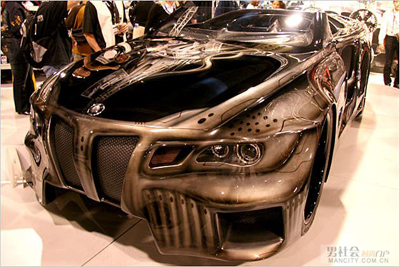
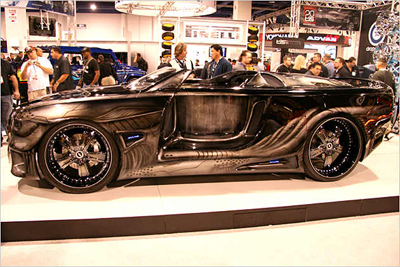
Sinister 6

Sinister 6 BMW

Sinister 6 BMW

Read more »

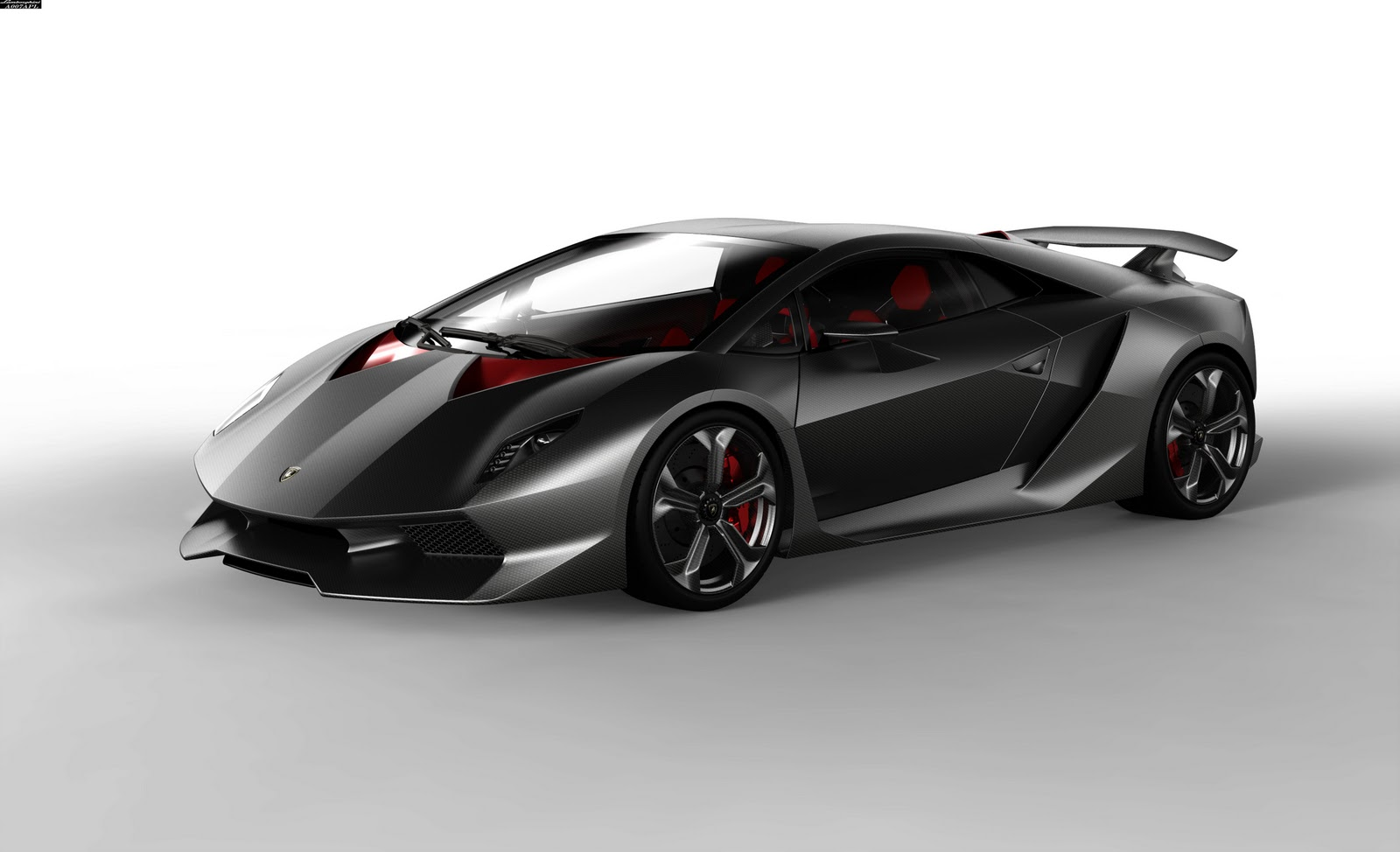
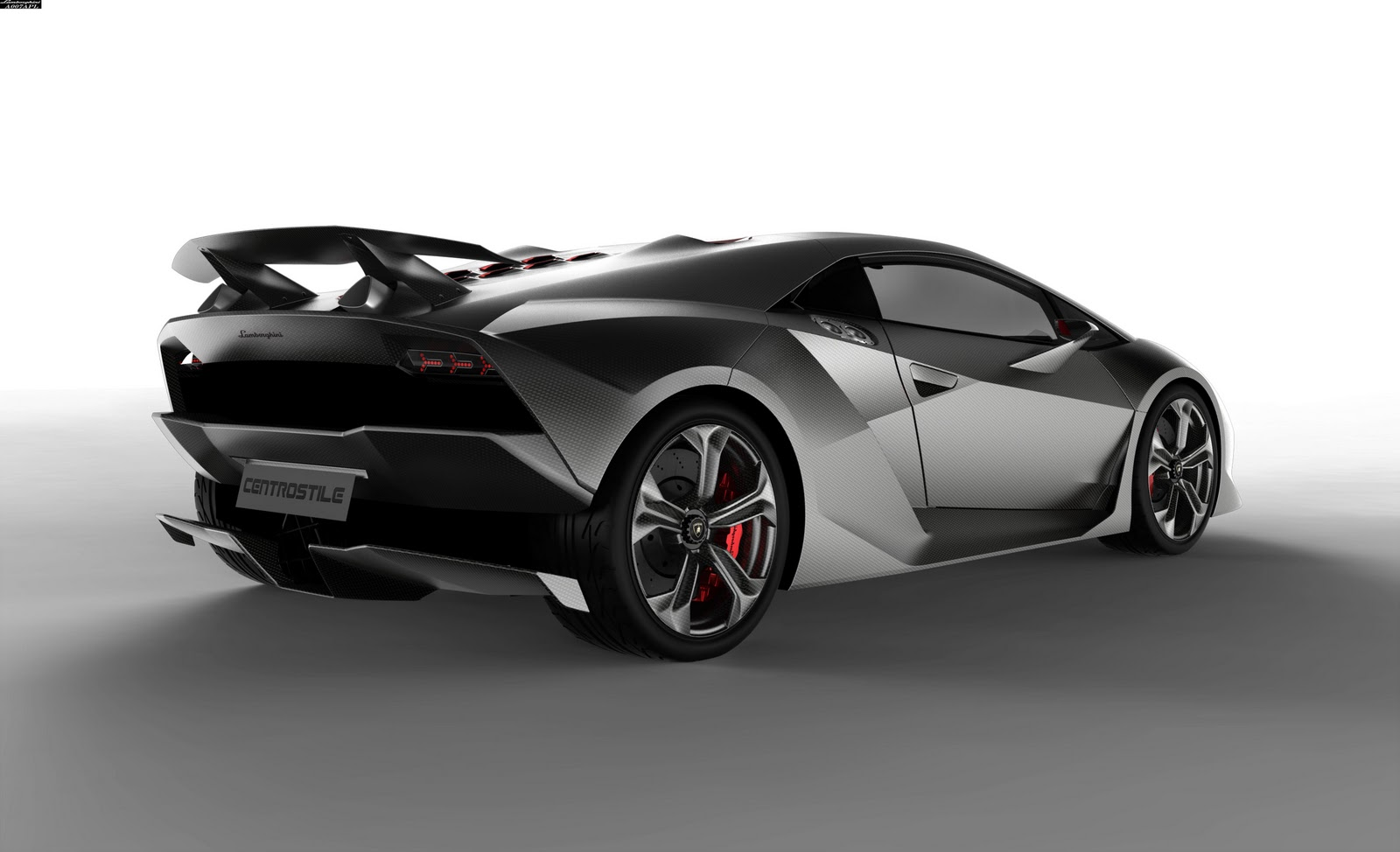
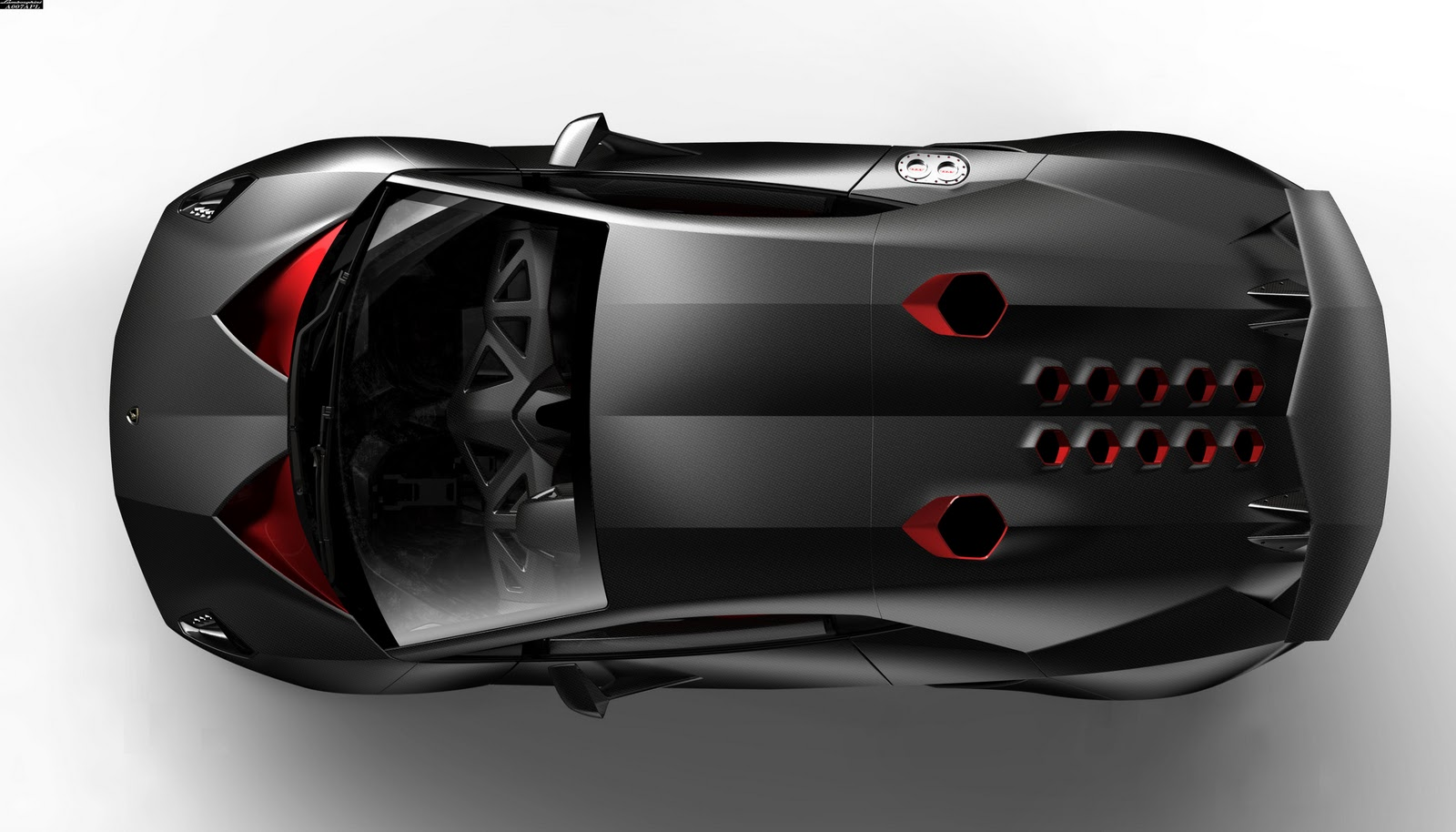
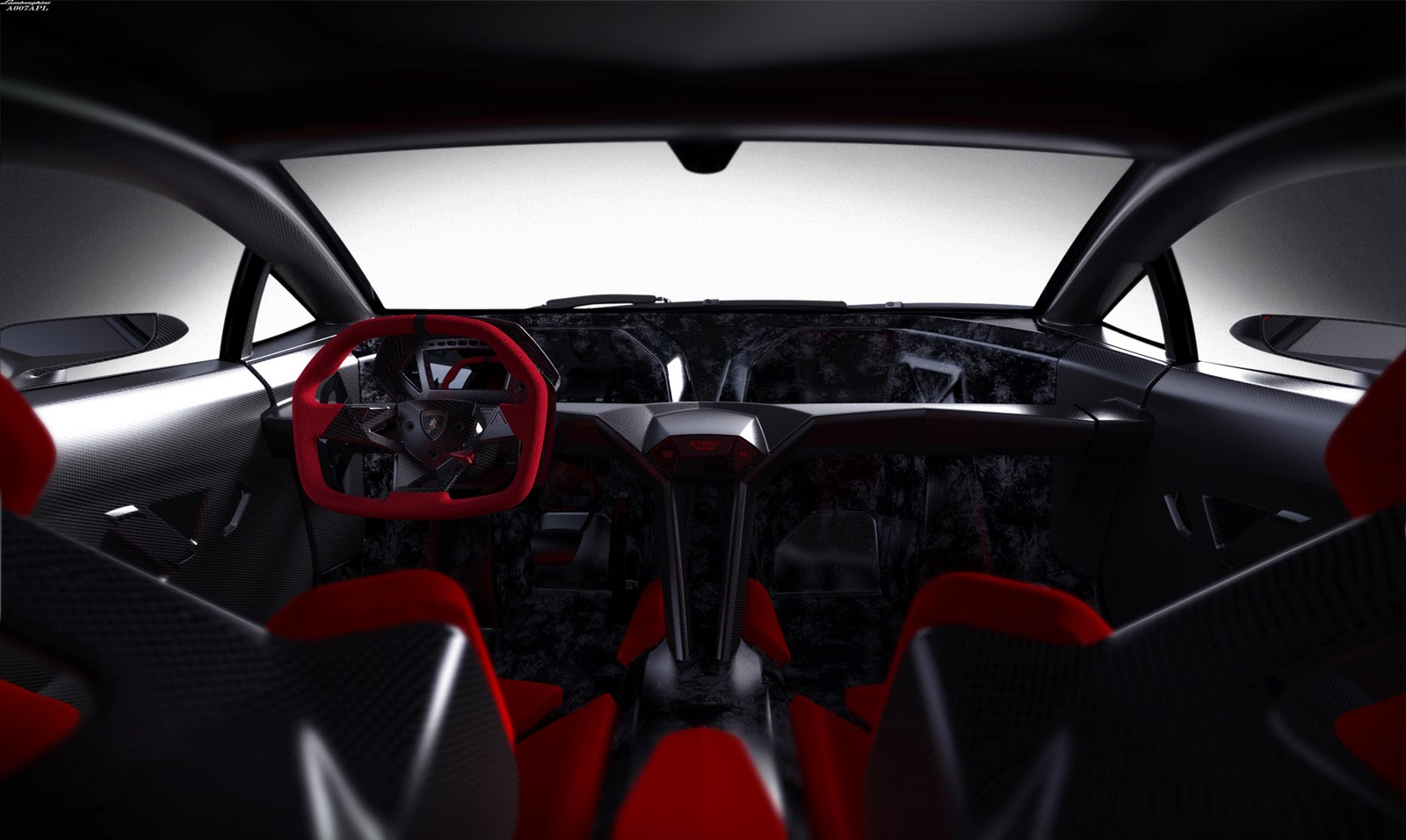
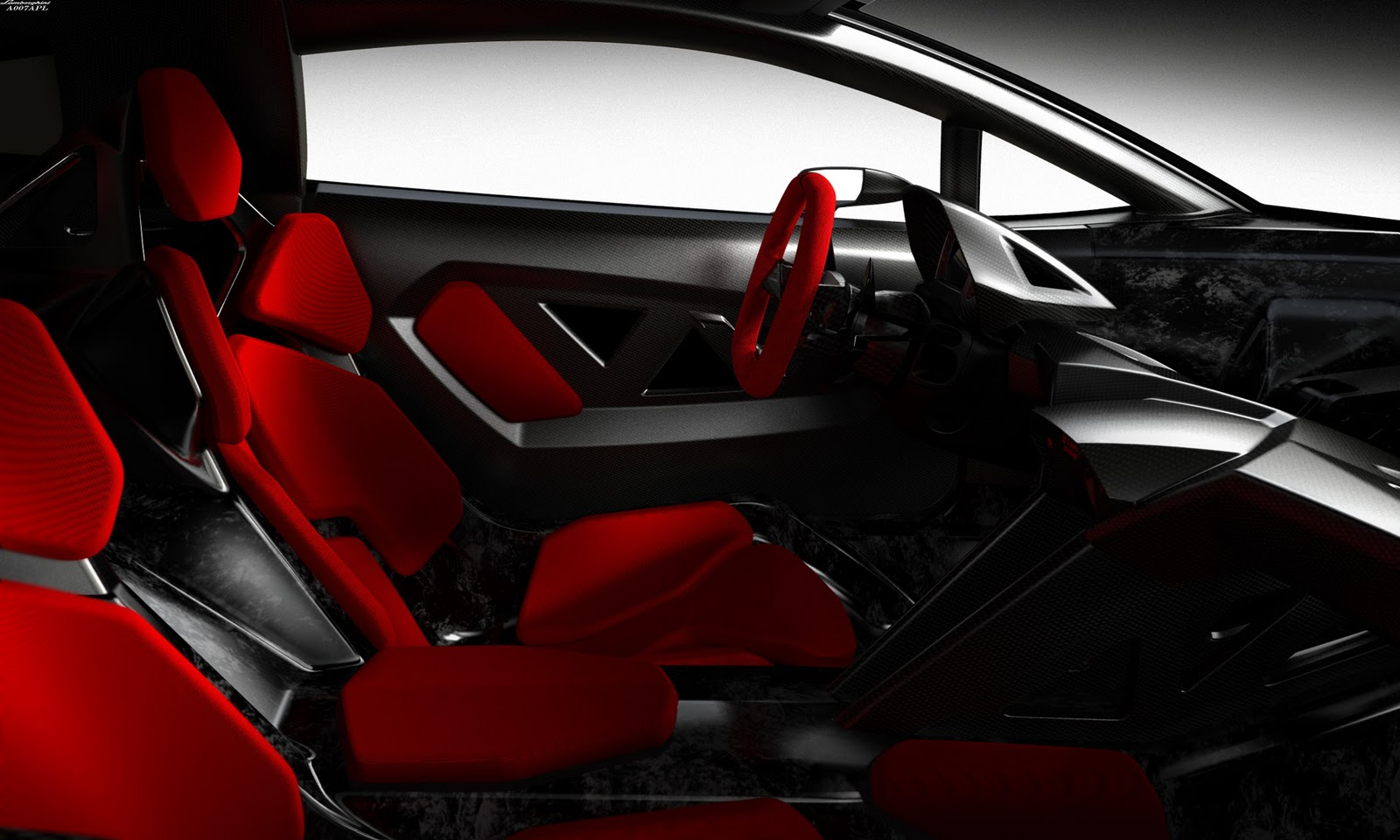
2011 Lamborghini Sesto Elemento Concept

Sesto Elemento

Sesto Elemento Rear

Sesto Elemento Top

Sesto Elemento Interior

Sesto Elemento Interior 2

Press release

Lamborghini is redefining the future of the super sports car with a unique technology demonstrator. Boasting an extremely lightweight construction thanks to advanced carbon-fiber technology, the Lamborghini Sesto Elemento has an overall curb weight of just 999 kilograms (2,202 lb) – including V10 power unit and permanent all-wheel drive. This makes the Sesto Elemento a unique demonstration of the technological expertise of Automobili Lamborghini. Innovative carbon-fiber technologies are being used here for the first time in an automotive application. As a 100 percent subsidiary of AUDI AG, the Italian carmaker also benefits from the undisputed expertise of the German manufacturer when it comes to lightweight construction.

With its amazing output of 570 hp, sensational power-to-weight ratio of only 1.75 kilograms per hp and 0 to 100 km/h (0-62 mph) acceleration of only 2.5 seconds, the Sesto Elemento guarantees unparalleled driving fun. At the same time, fuel consumption also drops because of the extreme lightweight engineering applied throughout.

The name of this technology demonstrator is derived from the periodic table, where carbon is classified as the sixth element. Thus, the Sesto Elemento demonstrates the worldwide leading expertise of Lamborghini in carbon-fiber reinforced plastics (CFRP) technology. The super sports car brand from Sant’Agata Bolognese is the only vehicle manufacturer in the world to have mastered the complete CFRP process across a range of technologies, from 3D design through simulation, validation, production and testing – all in a state-of-the-art industrial process that stands for the very highest quality standards.

Lamborghini drives the technology development in its two research centers the ACRC (Advanced Composite Research Center) and the ACSL (Advanced Composite Structures Laboratory) through collaborations with organizations such as Boeing, with the resulting technology secured under a host of patents.

“The Lamborghini Sesto Elemento shows how the future of the super sports car can look – extreme lightweight engineering, combined with extreme performance results in extreme driving fun. We put all of our technological competence into one stunning form to create the Sesto Elemento,” comments Stephan Winkelmann, President and CEO of Automobili Lamborghini. “It is our abilities in carbon-fiber technology that have facilitated such a forward-thinking concept, and we of course also benefit from the undisputed lightweight expertise of AUDI AG. Systematic lightweight engineering is crucial for future super sports cars: for the most dynamic performance, as well as for low emissions. We will apply this technological advantage right across our model range. Every future Lamborghini will be touched by the spirit of the Sesto Elemento.”

A-10 ‘Warthog’ Monster Truck

A10 Monster Truck

Read more »