Author Archives: James

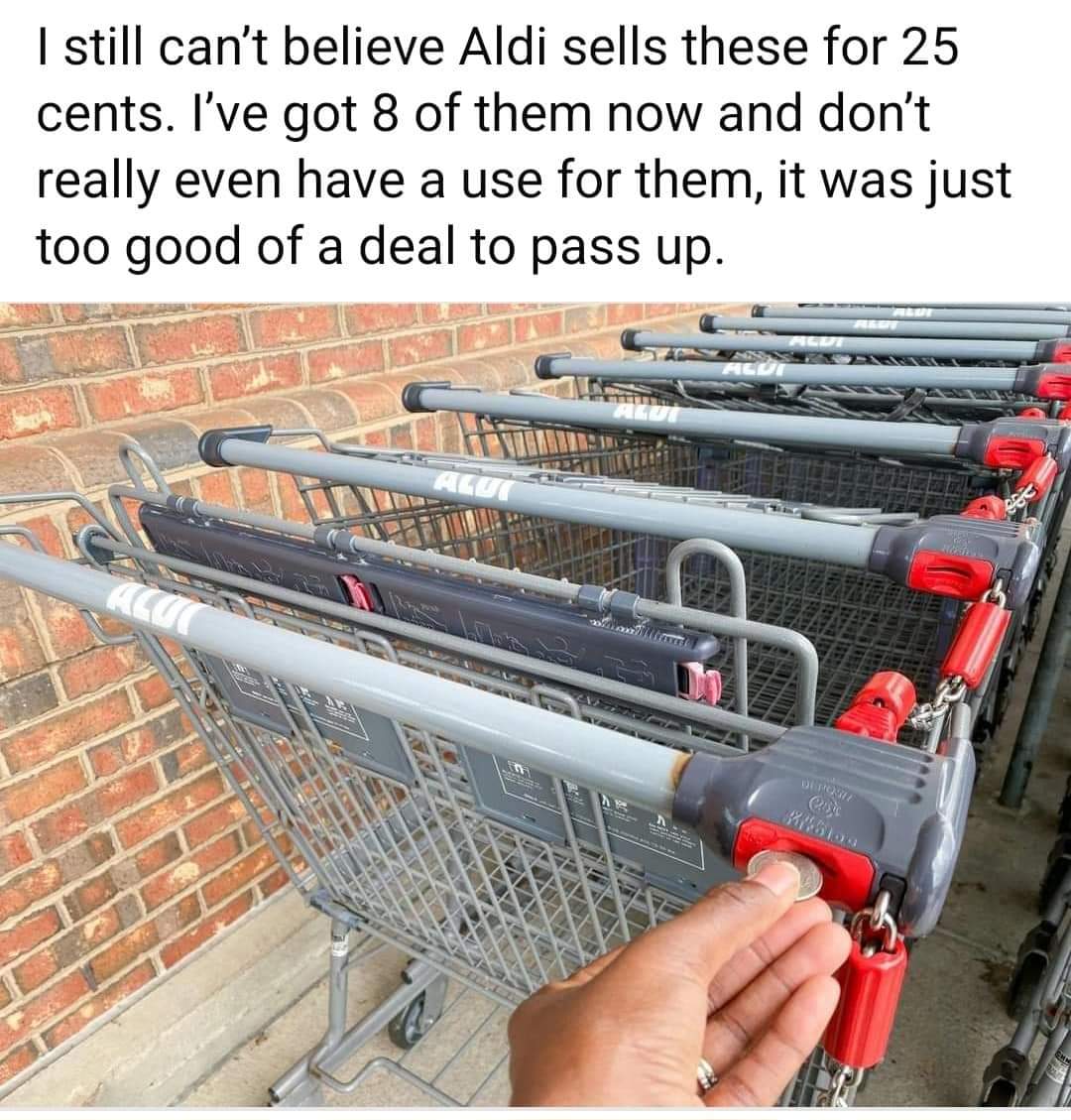
Aldi sells carts

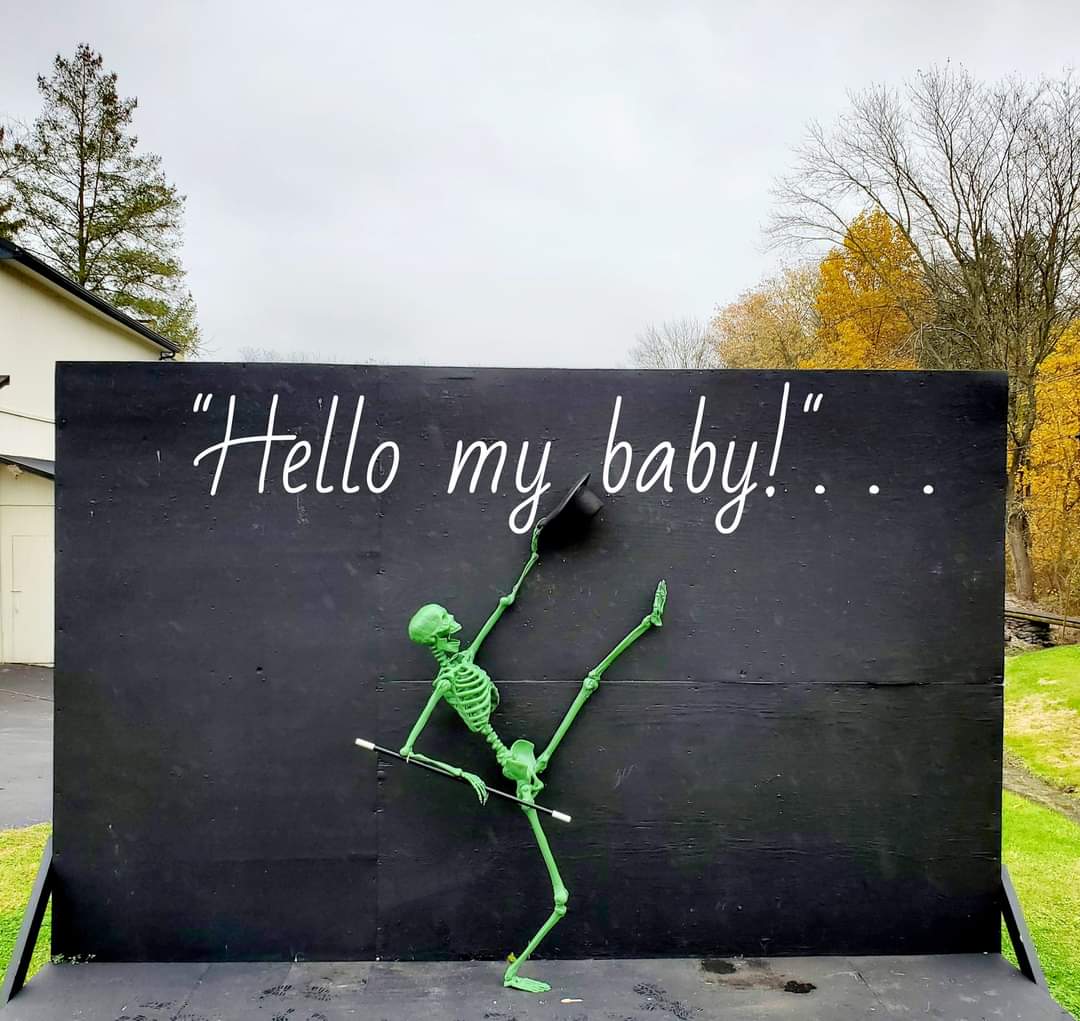
Hello my baby!

Why do we eat turkey on Thanksgiving?

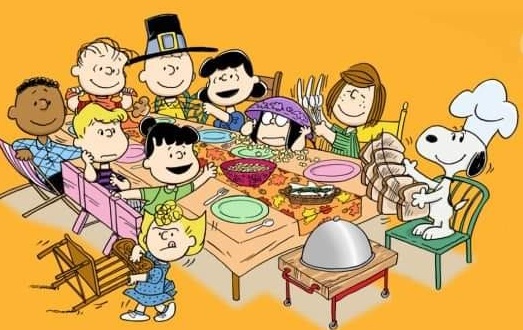
Peanuts: Happy Thanksgiving!

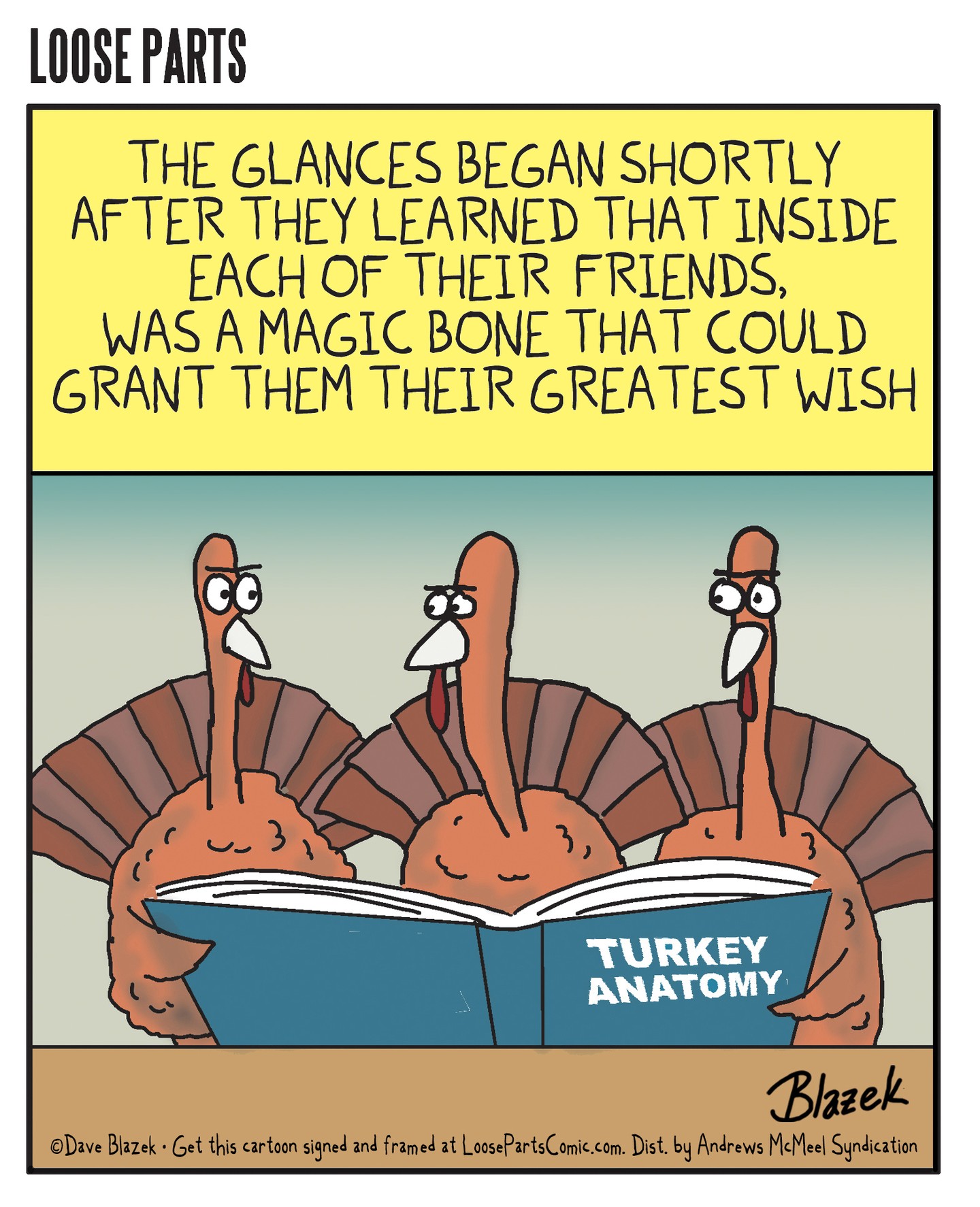
Magic Bone

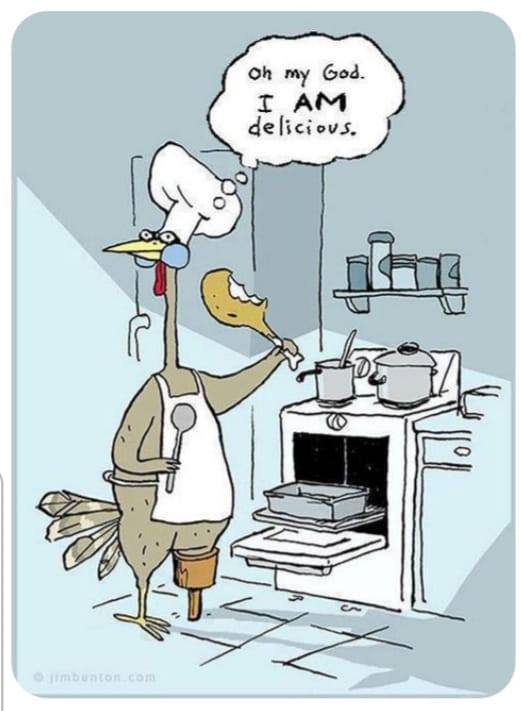
I *AM* Delicious!

As God is my witness…

As God is my witnessI thought turkeys could fly.”

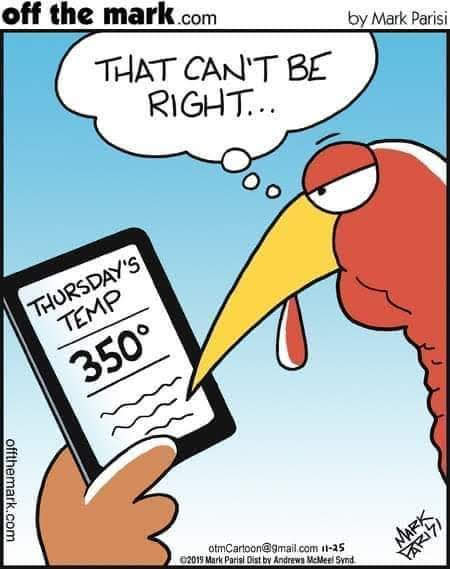
Can’t Be Right

Happy Thanksgiving!

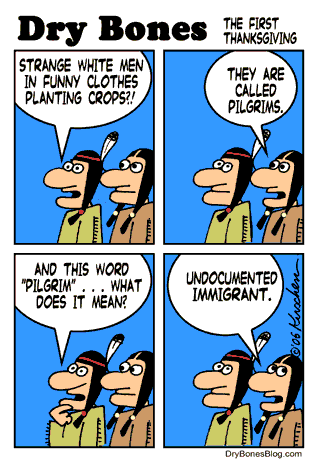
Undocumented Immigrant

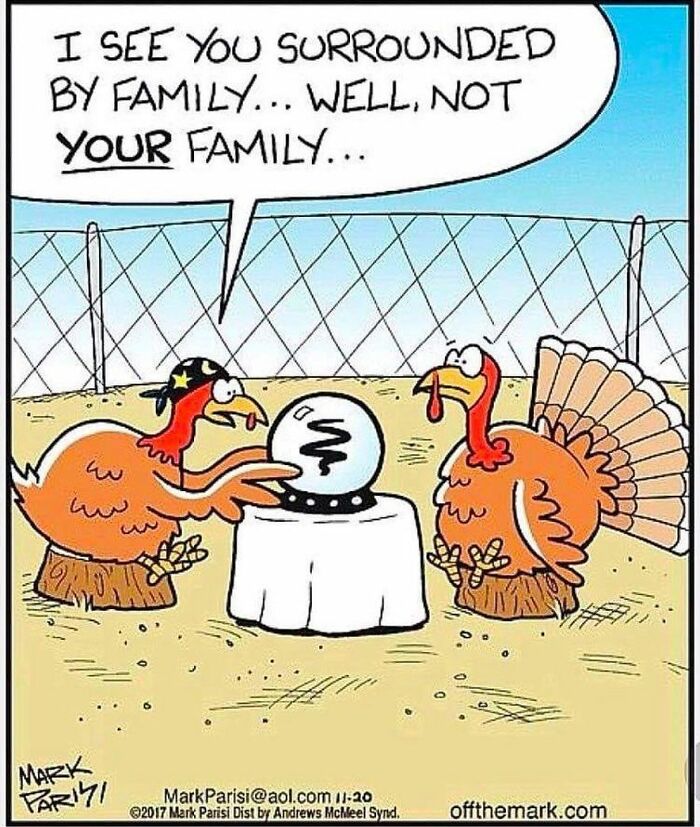
Well, not YOUR family!

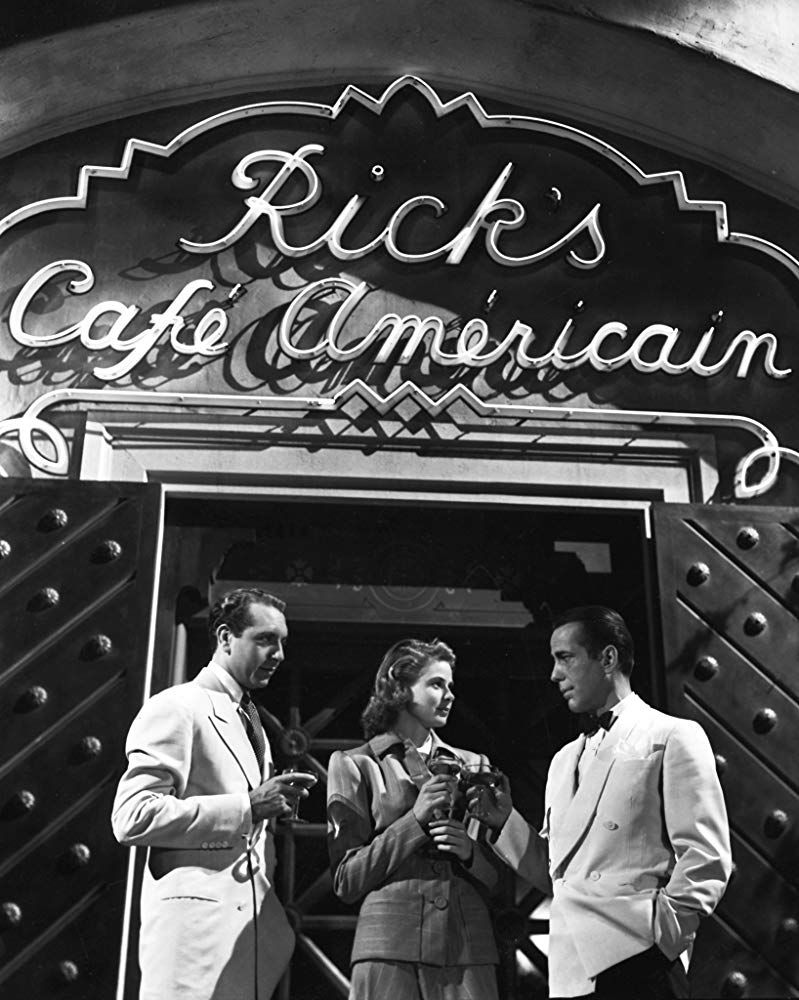
Anniversary of Casablanca

On November 26, 1942, in the midst of World War II — Casablanca, easily one of the best movies ever created, premiered in New York City.

Casablanca is the story of cynical American expatriate Rick Blaine and his one-time lover, Ilsa Lund. For those of you who haven’t seen it, the official film synopsis is as follows:

Rick Blaine (Humphrey Bogart), who owns a nightclub in Casablanca, discovers his old flame Ilsa (Ingrid Bergman) is in town with her husband, Victor Laszlo (Paul Henreid). Laszlo is a famed rebel, and with Germans on his tail, Ilsa knows Rick can help them get out of the country. But will he?

There are countless reasons for the film’s success. Among them is the subtle but masterful comedy, such as the tourists learning that the kindly man warning them about local pickpockets was himself a thief who just stole from them. Or when Vichy French Captain Louis Renault is ordered by a German major to shut down Rick’s nightclub, so he feigns outrage at “discovering” there is gambling in the club, only to be immediately presented with his own winnings from gambling.

There is so much to this film, which may well be The Best Film Ever Made, and so many classic lines and scenes. Ironically, one of the best-known lines, ‘Play it again, Sam’ was never in the film. But the famous scene of the battle of national anthems has been voted by some as The Greatest Scene Ever Filmed.

Dead-Leaf Mantis

Bunny

Bunny with Corn

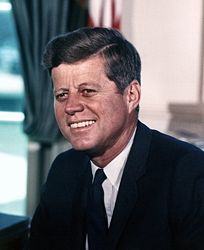
John F. Kennedy

John F. Kennedy
John Fitzgerald Kennedy (May 29, 1917–November 22, 1963)

The assassination of John F. Kennedy, the thirty-fifth President of the United States, took place on Friday, November 22, 1963, in Dallas, Texas, USA at 12:30 p.m. CST (18:30 UTC). John F. Kennedy was fatally wounded by gunshots while riding with his wife Jacqueline in a presidential motorcade through Dealey Plaza. Kennedy was assassinated by Lee Harvey Oswald, an employee of the Texas School Book Depository in Dealey Plaza, according to the conclusions of multiple government investigations, including the ten-month investigation of the Warren Commission of 1963-4 and the United States House Select Committee on Assassinations (HSCA) of 1976-9. This conclusion initially met with widespread support among the American public, but polls, since the original 1966 Gallup poll, show a majority of the public hold beliefs contrary to these findings. The assassination is still the subject of widespread speculation and has spawned numerous conspiracy theories (even the HSCA, based on disputed acoustical evidence, concluded that Oswald may have had unspecified co-conspirators), though these theories have not generally been accepted by mainstream historians and no single compelling alternative theory has emerged.

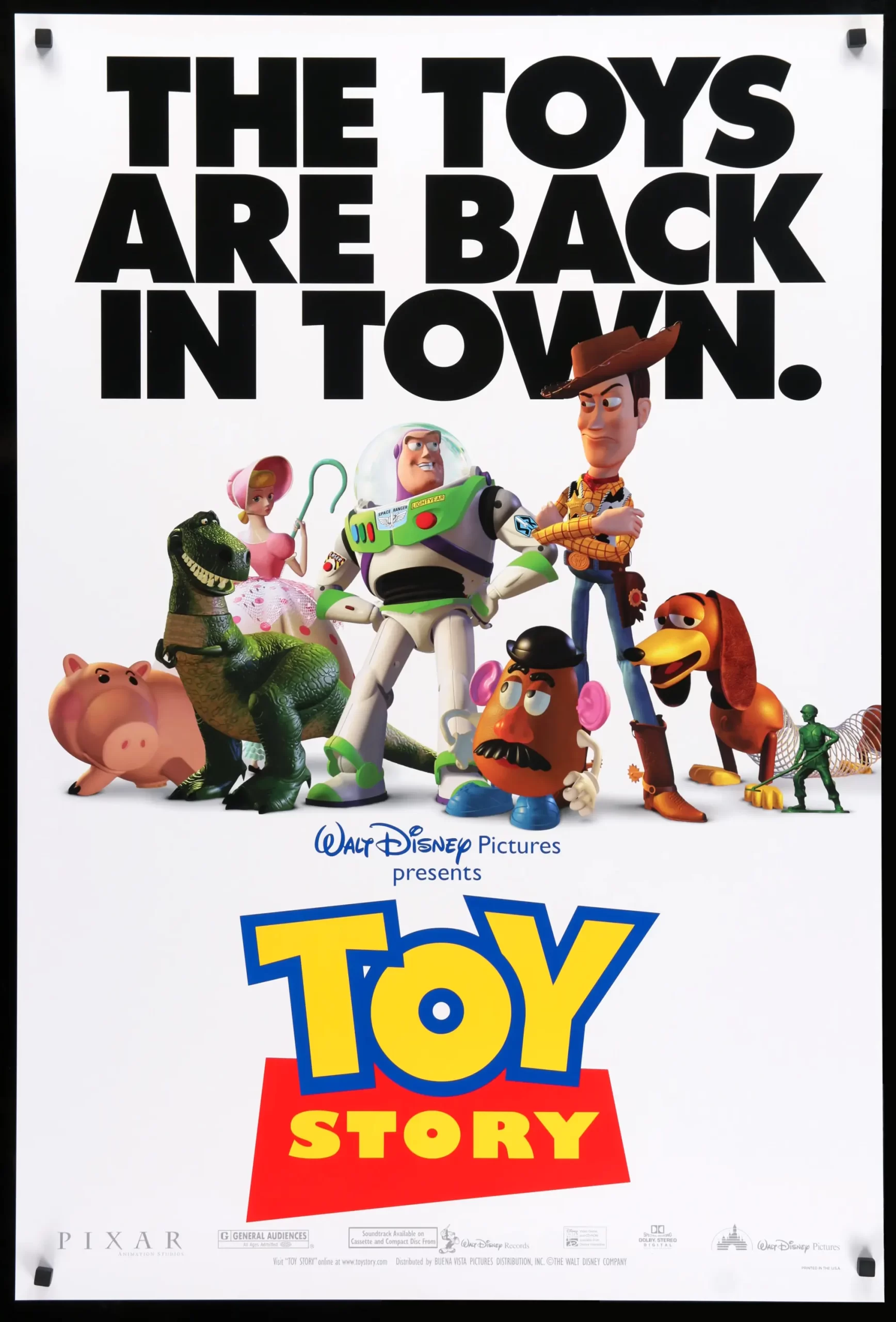
30th Anniversary of Toy Story

November 22, 1995

Chinook Dancing

Goodbye Helicopter

Lincoln delivers Gettysburg Address

On November 19, 1863, at the dedication of a military cemetery at Gettysburg, Pennsylvania, during the American Civil War, President Abraham Lincoln delivers one of the most memorable speeches in American history. In just 272 words, Lincoln brilliantly and movingly reminded a war-weary public why the Union had to fight, and win, the Civil War.

The Battle of Gettysburg, fought some four months earlier, was the single bloodiest battle of the Civil War. Over the course of three days, more than 45,000 men were killed, injured, captured or went missing. The battle also proved to be the turning point of the war: General Robert E. Lee’s defeat and retreat from Gettysburg marked the last Confederate invasion of Northern territory and the beginning of the Southern army’s ultimate decline.

Charged by Pennsylvania’s governor, Andrew Curtin, to care for the Gettysburg dead, an attorney named David Wills bought 17 acres of pasture to turn into a cemetery for the more than 7,500 who fell in battle. Wills invited Edward Everett, one of the most famous orators of the day, to deliver a speech at the cemetery’s dedication. Almost as an afterthought, Wills also sent a letter to Lincoln—just two weeks before the ceremony—requesting “a few appropriate remarks” to consecrate the grounds.

At the dedication, the crowd listened for two hours to Everett before Lincoln spoke. Lincoln’s address lasted just two or three minutes. The speech reflected his redefined belief that the Civil War was not just a fight to save the Union, but a struggle for freedom and equality for all, an idea Lincoln had not championed in the years leading up to the war. This was his stirring conclusion: “The world will little note, nor long remember what we say here, but it can never forget what they did here. It is for us the living, rather, to be dedicated here to the unfinished work which they who fought here have thus far so nobly advanced. It is rather for us to be here dedicated to the great task remaining before us—that from these honored dead we take increased devotion to that cause for which they gave the last full measure of devotion—that we here highly resolve that these dead shall not have died in vain—that this nation, under God, shall have a new birth of freedom—and that government of the people, by the people, for the people, shall not perish from the earth.”

Reception of Lincoln’s Gettysburg Address was initially mixed, divided strictly along partisan lines. Nevertheless, the “little speech,” as he later called it, is thought by many today to be the most eloquent articulation of the democratic vision ever written.

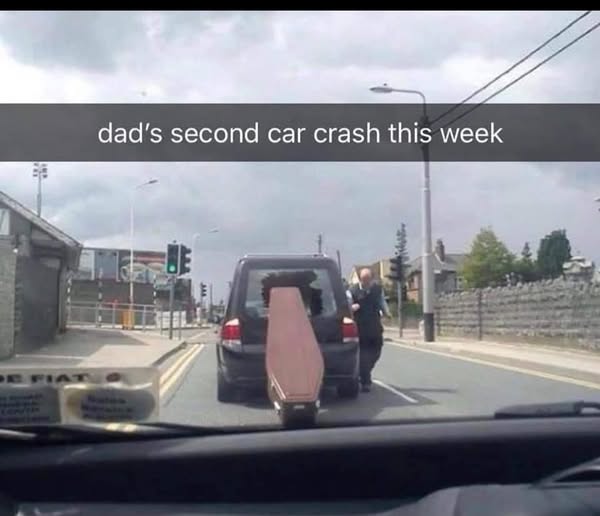
Dad’s 2nd Crash