Author Archives: James

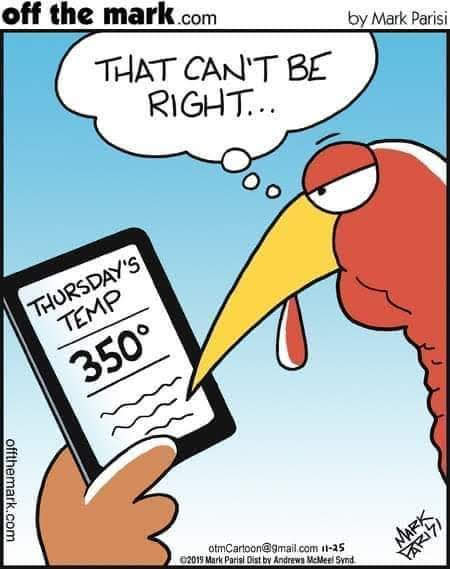
Can’t Be Right

The Book of Boba Fett

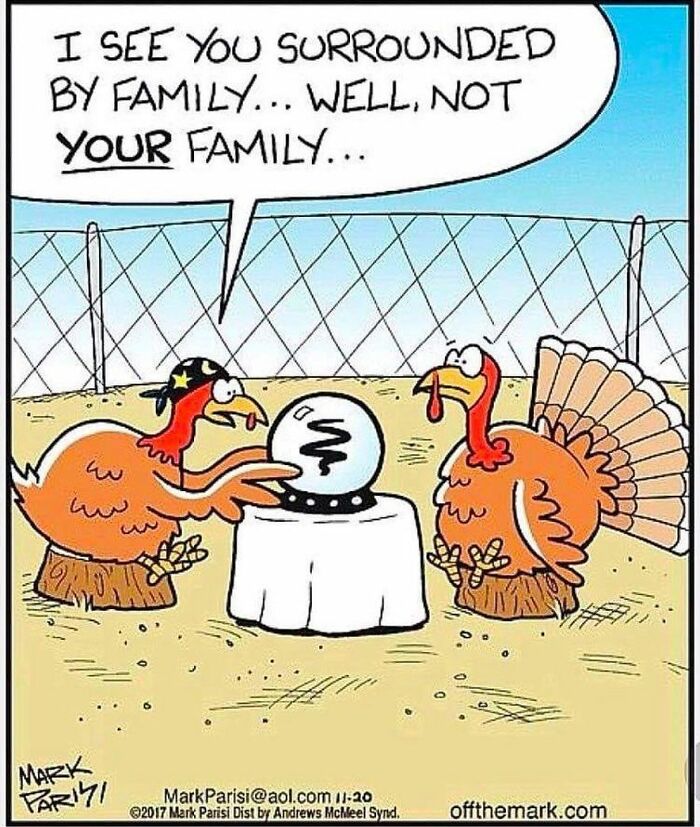
Well, not YOUR family!

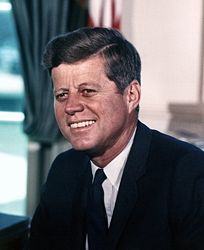
John F. Kennedy

John F. Kennedy
John Fitzgerald Kennedy (May 29, 1917–November 22, 1963)

The assassination of John F. Kennedy, the thirty-fifth President of the United States, took place on Friday, November 22, 1963, in Dallas, Texas, USA at 12:30 p.m. CST (18:30 UTC). John F. Kennedy was fatally wounded by gunshots while riding with his wife Jacqueline in a presidential motorcade through Dealey Plaza. Kennedy was assassinated by Lee Harvey Oswald, an employee of the Texas School Book Depository in Dealey Plaza, according to the conclusions of multiple government investigations, including the ten-month investigation of the Warren Commission of 1963-4 and the United States House Select Committee on Assassinations (HSCA) of 1976-9. This conclusion initially met with widespread support among the American public, but polls, since the original 1966 Gallup poll, show a majority of the public hold beliefs contrary to these findings. The assassination is still the subject of widespread speculation and has spawned numerous conspiracy theories (even the HSCA, based on disputed acoustical evidence, concluded that Oswald may have had unspecified co-conspirators), though these theories have not generally been accepted by mainstream historians and no single compelling alternative theory has emerged.

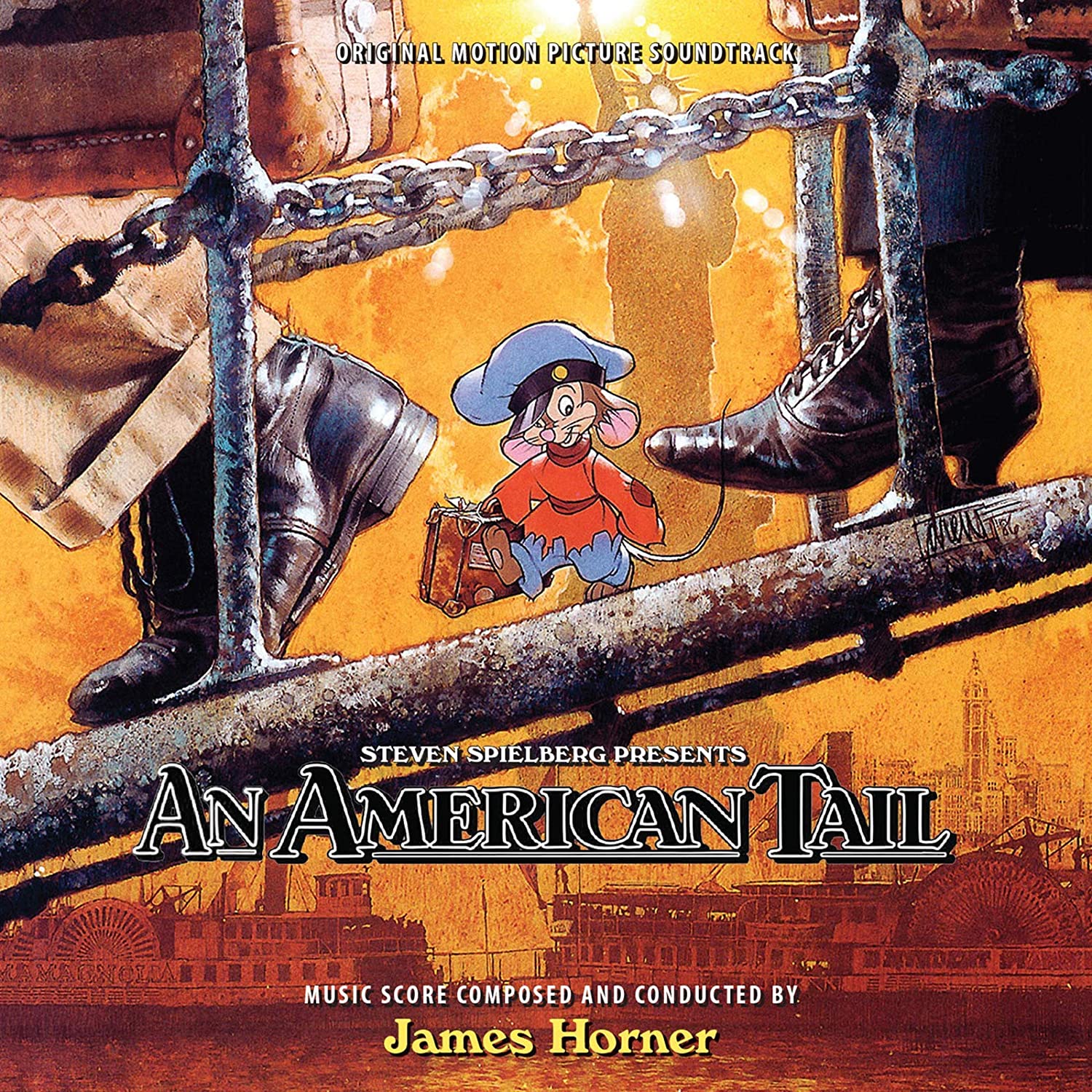
35th Anniversary of An American Tail

November 21, 1986

Wikipedia Article

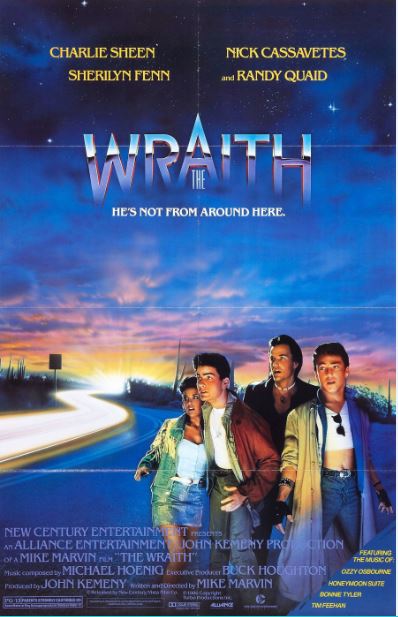
35th Anniversary of The Wraith

November 21, 1986

Gas station fire suppression system malfunctions

Lincoln delivers Gettysburg Address

On November 19, 1863, at the dedication of a military cemetery at Gettysburg, Pennsylvania, during the American Civil War, President Abraham Lincoln delivers one of the most memorable speeches in American history. In just 272 words, Lincoln brilliantly and movingly reminded a war-weary public why the Union had to fight, and win, the Civil War.

The Battle of Gettysburg, fought some four months earlier, was the single bloodiest battle of the Civil War. Over the course of three days, more than 45,000 men were killed, injured, captured or went missing. The battle also proved to be the turning point of the war: General Robert E. Lee’s defeat and retreat from Gettysburg marked the last Confederate invasion of Northern territory and the beginning of the Southern army’s ultimate decline.

Charged by Pennsylvania’s governor, Andrew Curtin, to care for the Gettysburg dead, an attorney named David Wills bought 17 acres of pasture to turn into a cemetery for the more than 7,500 who fell in battle. Wills invited Edward Everett, one of the most famous orators of the day, to deliver a speech at the cemetery’s dedication. Almost as an afterthought, Wills also sent a letter to Lincoln—just two weeks before the ceremony—requesting “a few appropriate remarks” to consecrate the grounds.

At the dedication, the crowd listened for two hours to Everett before Lincoln spoke. Lincoln’s address lasted just two or three minutes. The speech reflected his redefined belief that the Civil War was not just a fight to save the Union, but a struggle for freedom and equality for all, an idea Lincoln had not championed in the years leading up to the war. This was his stirring conclusion: “The world will little note, nor long remember what we say here, but it can never forget what they did here. It is for us the living, rather, to be dedicated here to the unfinished work which they who fought here have thus far so nobly advanced. It is rather for us to be here dedicated to the great task remaining before us—that from these honored dead we take increased devotion to that cause for which they gave the last full measure of devotion—that we here highly resolve that these dead shall not have died in vain—that this nation, under God, shall have a new birth of freedom—and that government of the people, by the people, for the people, shall not perish from the earth.”

Reception of Lincoln’s Gettysburg Address was initially mixed, divided strictly along partisan lines. Nevertheless, the “little speech,” as he later called it, is thought by many today to be the most eloquent articulation of the democratic vision ever written.

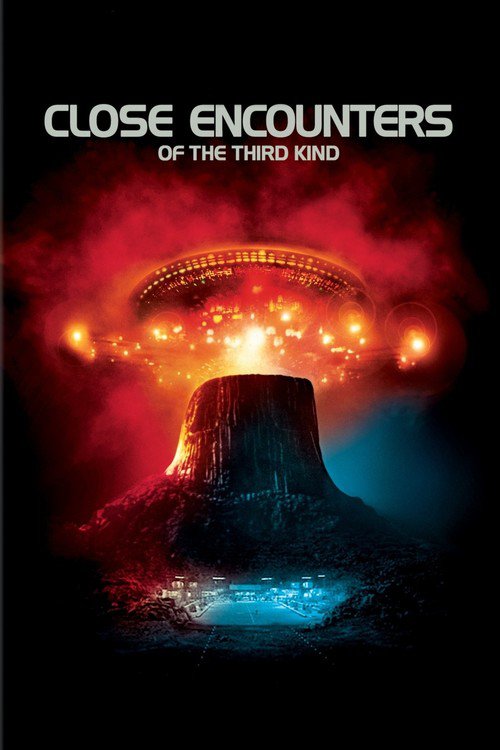
Anniversary of Close Encounters of the Third Kind

November 16, 1977

Close Encounters of the Third Kind is a 1977 American science fiction film written and directed by Steven Spielberg, and starring Richard DreyfussMelinda DillonTeri GarrBob BalabanCary Guffey, and François Truffaut. It tells the story of Roy Neary, an everyday blue-collar worker in Indiana, whose life changes after an encounter with an unidentified flying object (UFO).

Close Encounters was a long-cherished project for Spielberg. In late 1973, he developed a deal with Columbia Pictures for a science fiction film. Though Spielberg received sole credit for the script, he was assisted by Paul SchraderJohn HillDavid GilerHal BarwoodMatthew Robbins, and Jerry Belson, all of whom contributed to the screenplay in varying degrees. The title is derived from Ufologist J. Allen Hynek‘s classification of close encounters with aliens, in which the third kind denotes human observations of aliens or “animate beings.” Douglas Trumbull served as the visual effects supervisor, while Carlo Rambaldi designed the aliens.

Made on a production budget of $20 million, Close Encounters was released in a limited number of cities on November 16, 1977[3] and November 23, 1977[4]before expanding into wide release the following month. It was a critical and financial success, eventually grossing over $300 million worldwide. The film received numerous awards and nominations at the 50th Academy Awards32nd British Academy Film Awards, the 35th Golden Globe Awards, the 5th Saturn Awards, and has been widely acclaimed by the American Film Institute.

In December 2007, it was deemed “culturally, historically, or aesthetically significant” by the United States Library of Congress and selected for preservation in the National Film Registry.[5] A Special Edition of the film, featuring additional scenes, was released theatrically in 1980. A third cut of the film was issued on VHS and LaserDisc in 1998 (and later DVD and Blu-ray). The film was remastered in 4K and re-released in theatres on September 1, 2017 for its 40th anniversary

Dwarf Seahorse Dad Gives Birth on Camera

We’re on a roll here!

Rhino Calf Birth Caught on Camera

Ford introduces the Eluminator!

Read the write up at Jalopnik!

Why do American plugs have holes in them?

Lightyear – Teaser

100th Anniversary of the Tomb of the Unknown Soldier

Tomb of the Unknown Soldier has first all-female guard change in history :  NPR

The Tomb of the Unknown Soldier is dedicated to the deceased U.S. service members whose remains have not been identified, and on Veterans Day 2021, the monument is 100 years old.

The Arlington Cemetery has a website dedicated to the 100th anniversary, here.

Google arts and culture has a story here.

Veteran’s Day

Veteran's Day

Veteran

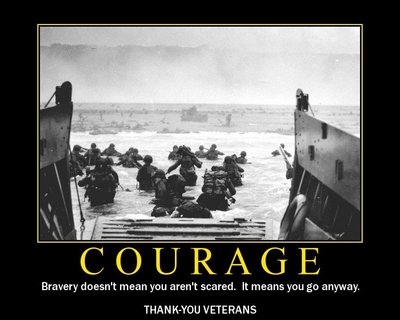
A veteran is someone who, at one point in his life, wrote a blank check made payable to his country for an amount of ‘up to and including my life.’

The Wreck of the Edmund Fitzgerald

Edmund Fitzgerald

The SS Edmund Fitzgerald, May 1975.

SS Edmund Fitzgerald was a cargo ship that sank suddenly during a gale storm on November 10, 1975, while on Lake Superior. The ship went down without a distress signal in 530 feet (162 m) of water at 46°59.9′N 85°6.6′W, in Canadian waters about 17 miles (15 nm; 27 km) from the entrance to Whitefish Bay. All 29 members of the crew perished. Gordon Lightfoot‘s hit song, The Wreck of the Edmund Fitzgerald, helped make the incident the most famous marine disaster in the history of Great Lakes shipping.

Ohio State Marching Band “The Music of Rush”

Stranger Things 4