Posted onNovember 10, 2025byJames|Comments Off on 50th Anniversary of the Wreck of the Edmund Fitzgerald
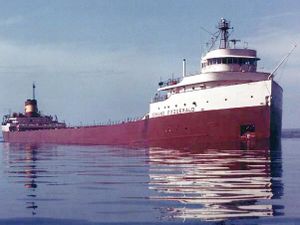
The SS Edmund Fitzgerald, May 1975.
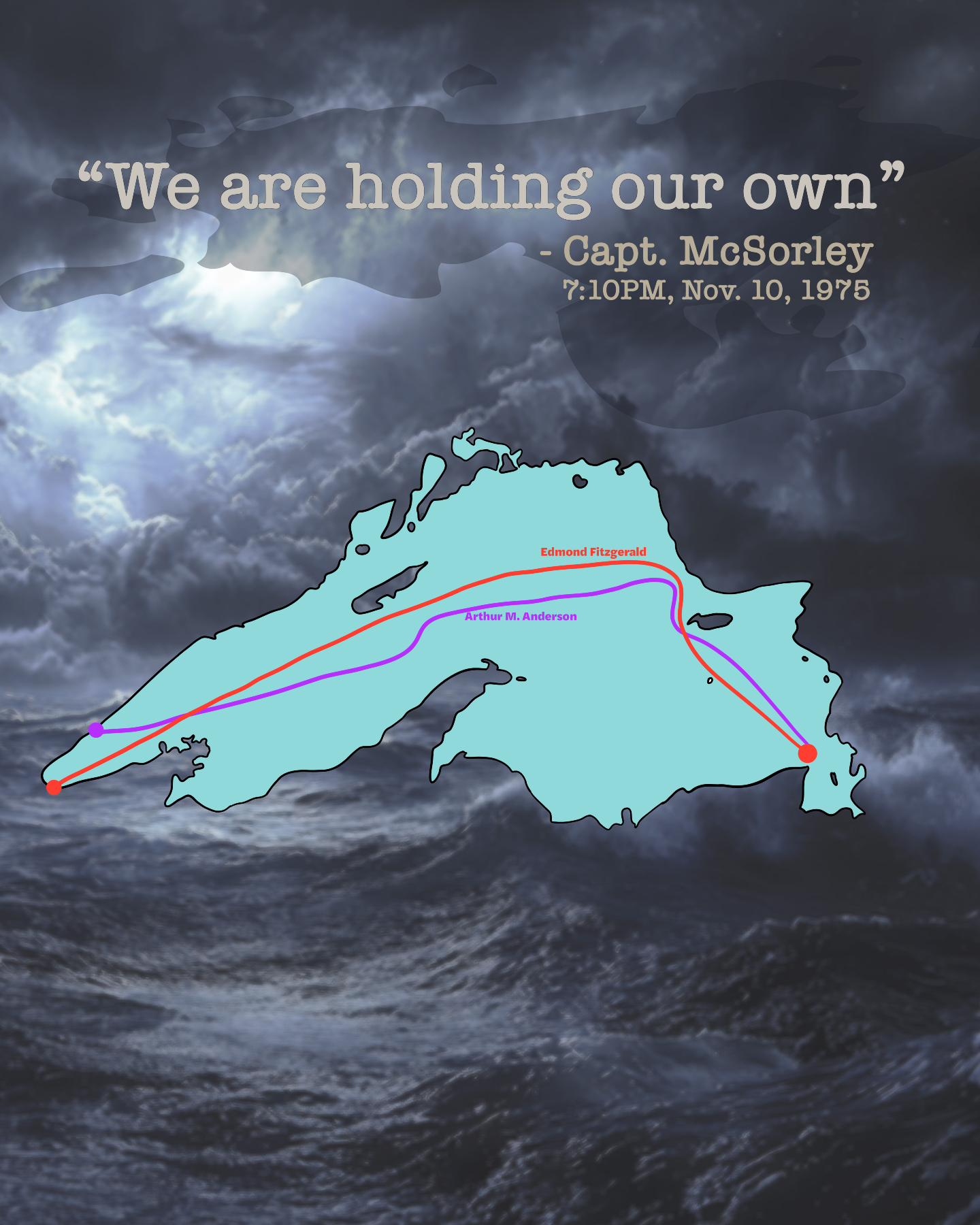
SS Edmund Fitzgerald was a cargo ship that sank suddenly during a gale storm on November 10, 1975, while on Lake Superior. The ship went down without a distress signal in 530 feet (162 m) of water at 46°59.9′N 85°6.6′W, in Canadian waters about 17 miles (15 nm; 27 km) from the entrance to Whitefish Bay. All 29 members of the crew perished. Gordon Lightfoot‘s hit song, The Wreck of the Edmund Fitzgerald, helped make the incident the most famous marine disaster in the history of Great Lakes shipping.
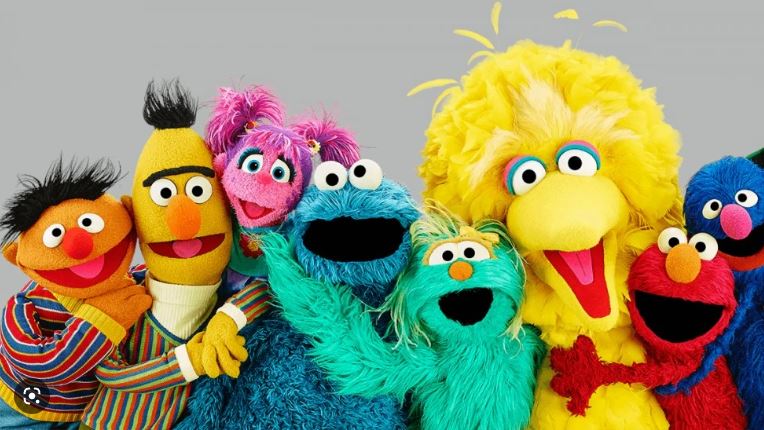
On November 10, 1969, “Sesame Street,” a pioneering TV show that would teach generations of young children the alphabet and how to count, makes its broadcast debut. “Sesame Street,” with its memorable theme song (“Can you tell me how to get/How to get to Sesame Street”), went on to become the most widely viewed children’s program in the world. It has aired in more than 120 countries.
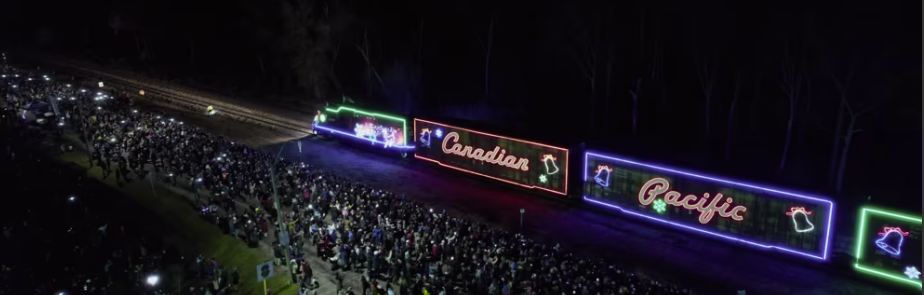
Starting in 1999, CP runs a Holiday Train along its main line during the months of November and December. The Holiday Train celebrates the holiday season and collects donations for community food banks and hunger issues. The Holiday Train also provides publicity for CP and a few of its customers. Each train has a box car stage for entertainers who are travelling along with the train.
The train is a freight train, but also pulls vintage passenger cars which are used as lodging/transportation for the crew and entertainers. Only entertainers and CP employees are allowed to board the train aside from a coach car that takes employees and their families from one stop to the next. All donations collected in a community remain in that community for distribution.
There are two Holiday Trains that cover 150 stops in Canada and the United States Northeast and Midwest. Each train is roughly 1,000 feet (300 m) in length with brightly decorated railway cars, including a modified box car that has been turned into a travelling stage for performers. They are each decorated with hundred of thousands of LED Christmas lights. In 2013 to celebrate the program’s 15th year, three signature events were held in Hamilton, Ontario, Calgary, Alberta, and Cottage Grove, Minnesota, to further raise awareness for hunger issues.
The 2025 CPKC Holiday Train will tour Canada and the U.S. Nov. 19 through Dec. 21, raising money, food and awareness to support food banks across our network. Professional musicians play free concerts from the brightly decorated train’s stage. CPKC donates to the local food bank at each stop and encourages all attendees to make a monetary or heart-healthy food donation.
Since its inaugural journey in 1999, the CPKC Holiday Train has raised more than $26 million and collected approximately 5.4 million pounds of food for community food banks in Canada and the U.S.
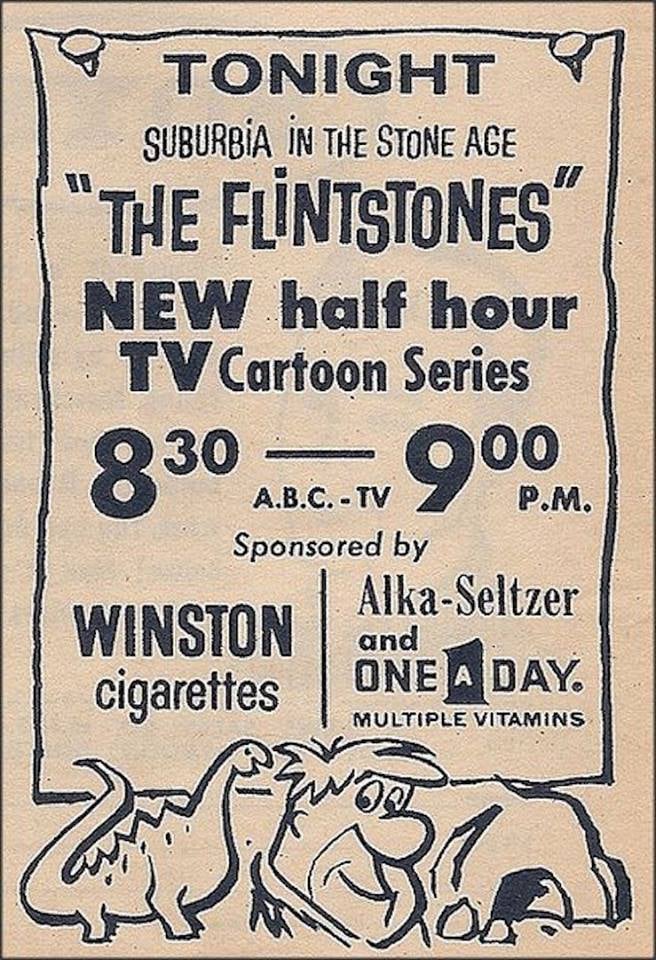
The Flintstones was an animated American television sitcom that ran from September 30, 1960 to April 1, 1966 on ABC. Produced by Hanna-Barbera Productions, The Flintstones is about a working class Stone Age man’s life with his family and his next door neighbor and best friend. It has since been re-released on both DVD and VHS.
Critics and fans alike agree that the show was an animated imitation of The Honeymooners with rock puns thrown in. William Hanna admitted that “At that time “The Honeymooners” was the most popular show on the air, and for my bill, it was the funniest show on the air. The characters, I thought, were terrific. Now, that influenced greatly what we did with “The Flintstones”… “The Honeymooners” was there, and we used that as a kind of basis for the concept.” However Joseph Barbera disavowed these claims in a separate interview, stating that “I don’t remember mentioning “The Honeymooners” when I sold the show, but if people want to compare “The Flintstones” to “The Honeymooners,” then great. It’s a total compliment. “The Honeymooners” was one of the greatest shows ever written.” Its popularity rested heavily on its juxtaposition of modern-day concerns in the Stone Age setting.
Posted onSeptember 30, 2024byJames|Comments Off on September 30, 1954: USS Nautilus commissioned
The USS Nautilus, the world’s first nuclear submarine, is commissioned by the U.S. Navy.
The Nautilus was constructed under the direction of U.S. Navy Captain Hyman G. Rickover, a brilliant Russian-born engineer who joined the U.S. atomic program in 1946. In 1947, he was put in charge of the navy’s nuclear-propulsion program and began work on an atomic submarine. Regarded as a fanatic by his detractors, Rickover succeeded in developing and delivering the world’s first nuclear submarine years ahead of schedule. In 1952, theNautilus‘ keel was laid by President Harry S. Truman, and on January 21, 1954, first lady Mamie Eisenhower broke a bottle of champagne across its bow as it was launched into the Thames River at Groton, Connecticut. Commissioned on September 30, 1954, it first ran under nuclear power on the morning of January 17, 1955.
Kris Kristofferson June 22, 1936 – September 28, 2024
Kristoffer Kristofferson was an American country music singer, songwriter, and actor. He was a pioneering figure in the outlaw country movement of the 1970s, moving away from the polished Nashville sound and toward a more raw, introspective style. He was a three-time Grammy Award winner, out of 13 total nominations.
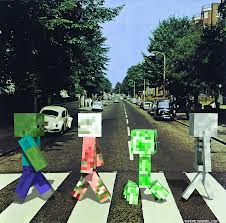
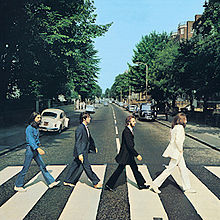
Abbey Road is the eleventh studio album by the English rock band the Beatles, released on September 26, 1969 in the United Kingdom and on October 1, 1969 in the United States. The recording sessions for the album were the last in which all four Beatles participated. Although Let It Be was the final album that the Beatles completed before the band’s dissolution in April 1970, most of that album had been recorded before the Abbey Road sessions began.
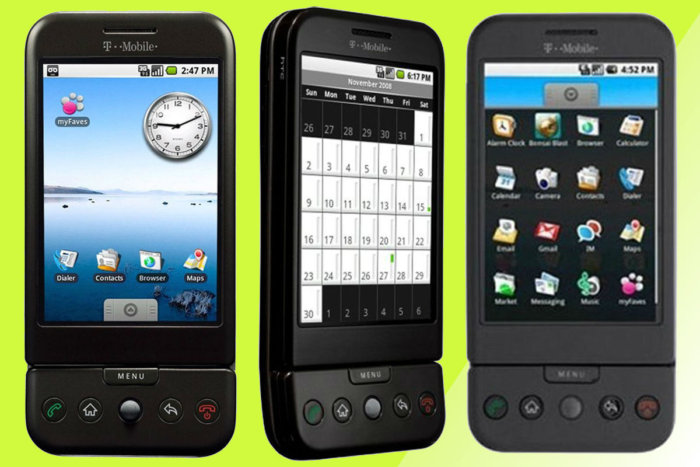
Released on September 23, 2008, the world’s first Android phone had one mission: to challenge the iPhone. And in that goal, it succeeded. It was chunky (17mm), had a low-resolution display (320×480), and didn’t have a virtual keyboard, thus forcing users to bang away on the tiny pop-out keyboard. It also utilized a quirky trackball and physical buttons for navigation. Still, T-Mobile sold more than a million G1s in its first six months of availability.
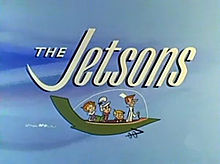
On September 23, 1962, the Jetsons premiered on ABC.
The Jetsons is a prime-time animated American sitcom that was produced by Hanna-Barbera, originally airing from 1962–63 and again from 1985–87. It was Hanna-Barbera’s Space Age counterpart to The Flintstones, a half-hour family sitcom projecting contemporary American culture and lifestyle into another time period. While the Flintstones live in a world with machines powered by birds and dinosaurs, the Jetsons live in a futuristic utopia in the year 2062 of elaborate robotic contraptions, aliens, holograms, and whimsical inventions.
The original incarnation of the series aired Sunday nights on ABC from September 23, 1962, to March 3, 1963. It comprised 24 episodes, and was re-run on Saturday morning for decades. At the time of its debut, it was the first program ever to be broadcast in color on ABC-TV (as The Flintstones, while always produced in color, was broadcast in black-and-white for its first two seasons). Its continuing popularity led to further episodes being produced for syndication between 1985 and 1987.
The Hobbit is a novel written by J. R. R. Tolkien in the tradition of the fairy tale. It was first published on September 21, 1937. While it also stands in its own right, it is often seen as a prelude to Tolkien’s monumental fantasy novel The Lord of the Rings (published in 1954 and 1955).
The story, subtitled There and Back Again, follows the adventures of the hobbit Bilbo Baggins as he travels across the lands of Middle-earth with a band of dwarves and a wizard named Gandalf on a quest to restore a dwarven kingdom and a great treasure stolen by the dragon, Smaug.
An emoticon is a facial expression pictorially represented by punctuation and letters, usually to express a writer’s mood. Emoticons are often used to alert a responder to the tenor or temper of a statement, and can change and improve interpretation of plain text. The word is a portmanteau word of the English words emotion and icon. In web forums, instant messengers and online games, text emoticons are often automatically replaced with small corresponding images, which came to be called emoticons as well. Certain complex character combinations can only be accomplished in a double-byte language, giving rise to especially complex forms, sometimes known by their romanized Japanese name of kaomoji.
The use of emoticons can be traced back to the 19th century, and they were commonly used in casual and/or humorous writing. Digital forms of emoticons on the Internet were included in a proposal by Scott Fahlman of Carnegie Mellon University in Pittsburgh, Pennsylvania, in a message on September 19, 1982.
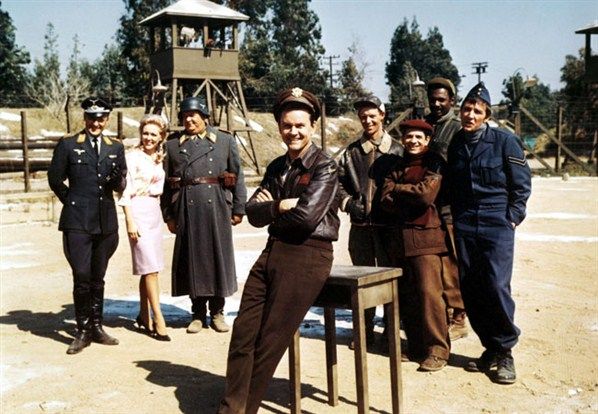
Hogan’s Heroes premiered on September 17, 1965, and quickly became the most popular new show of the year. In fact, for several seasons it ranked in TV’s top 20 programs …but it never escaped the controversy it premise engendered: Was it immoral to portray history’s most evil killers as bumbling -even lovable- buffoons week after week, just to make a buck?
The series premiered on September 17, 1972, and ended February 28, 1983, with the finale becoming the most-watched television episode in U.S. television history.
On September 17, 1967, the first Hot Wheels was released.
Hot Wheels is a brand of die cast toy car, introduced by American toymaker Mattel in 1968. It was the primary competitor of Matchbox until 1996, when Mattel acquired rights to the Matchbox brand as well.
Today, the hard drive is found everywhere–from the PCs we use daily to MP3 players and memory keys so small you can toss them in your pocket and forget you’re carrying around a hard drive. But when the hard drive was first introduced on September 13, 1956, it required a humongous housing and 50 24-inch platters to store 1/2400 as much data as can be fit on today’s largest capacity 1-inch hard drives.
Back then, the small team at IBM’s San Jose-based lab was seeking a way to replace tape with a storage mechanism that allowed for more-efficient random access to data. The question was, how to bring random-access storage to business computing?