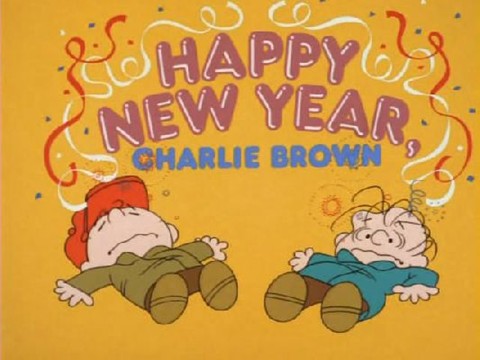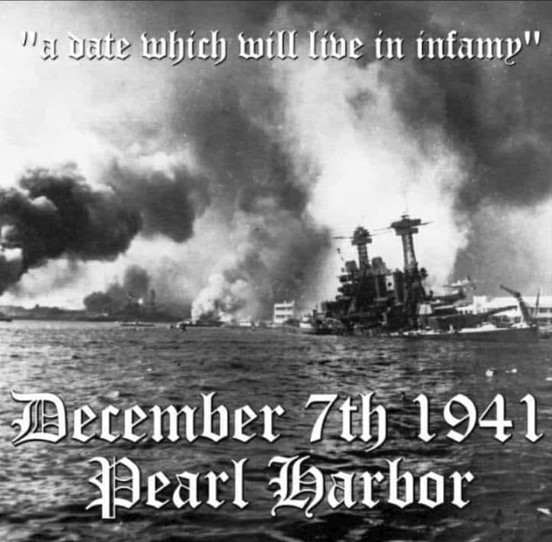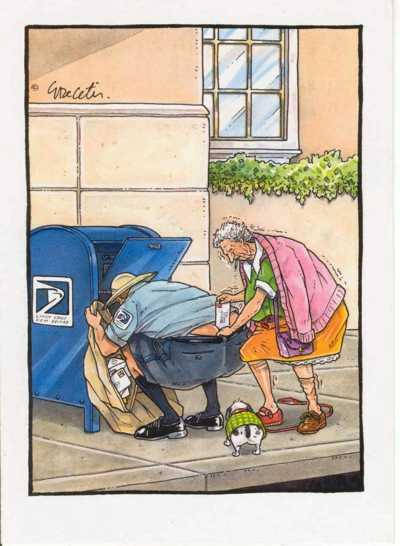
You remember it… go get all nostalgic and learn more at Wikipedia.
You remember it… go get all nostalgic and learn more at Wikipedia.
Posted in Because I Can, Humor, Literary, Music, The Little Screen (Television)


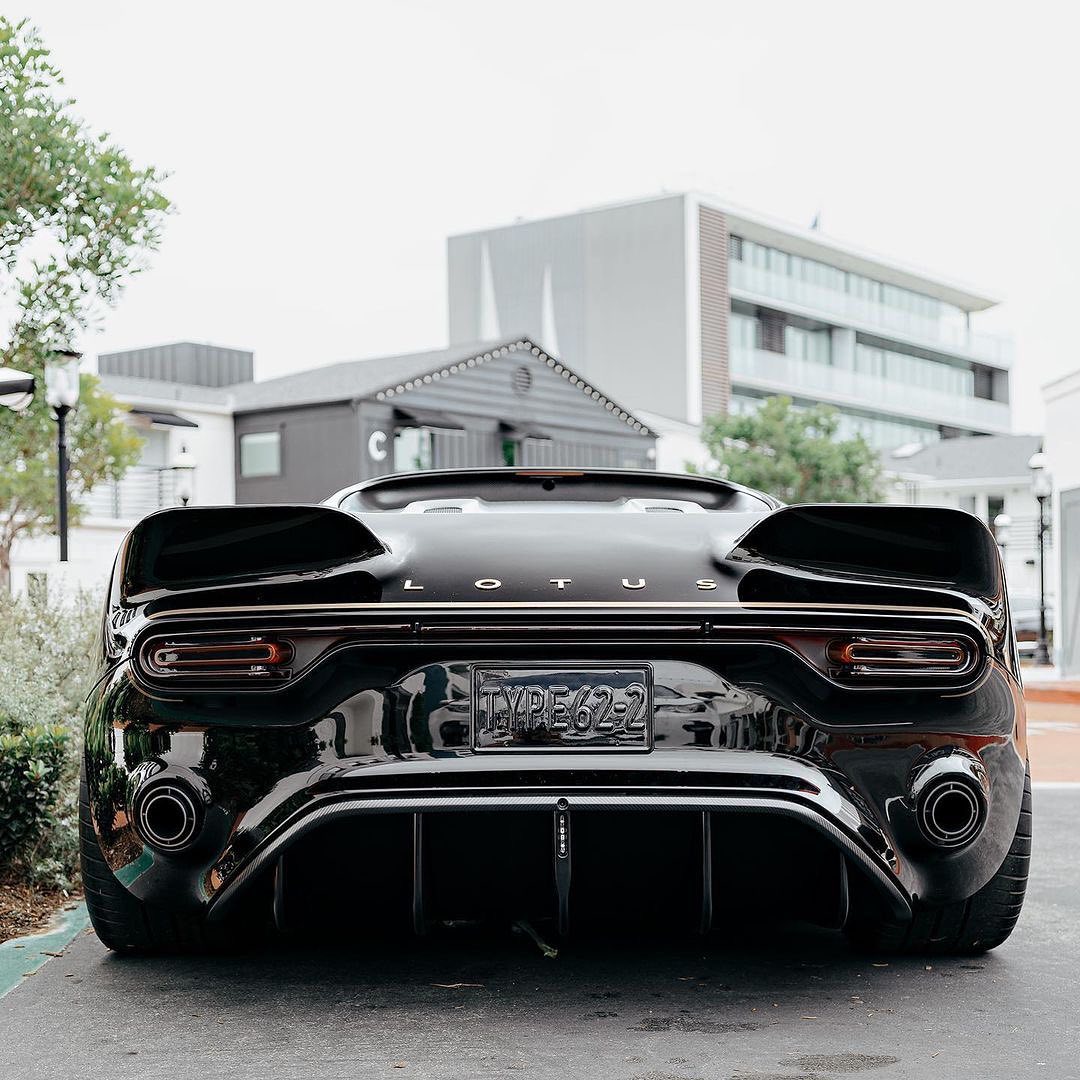

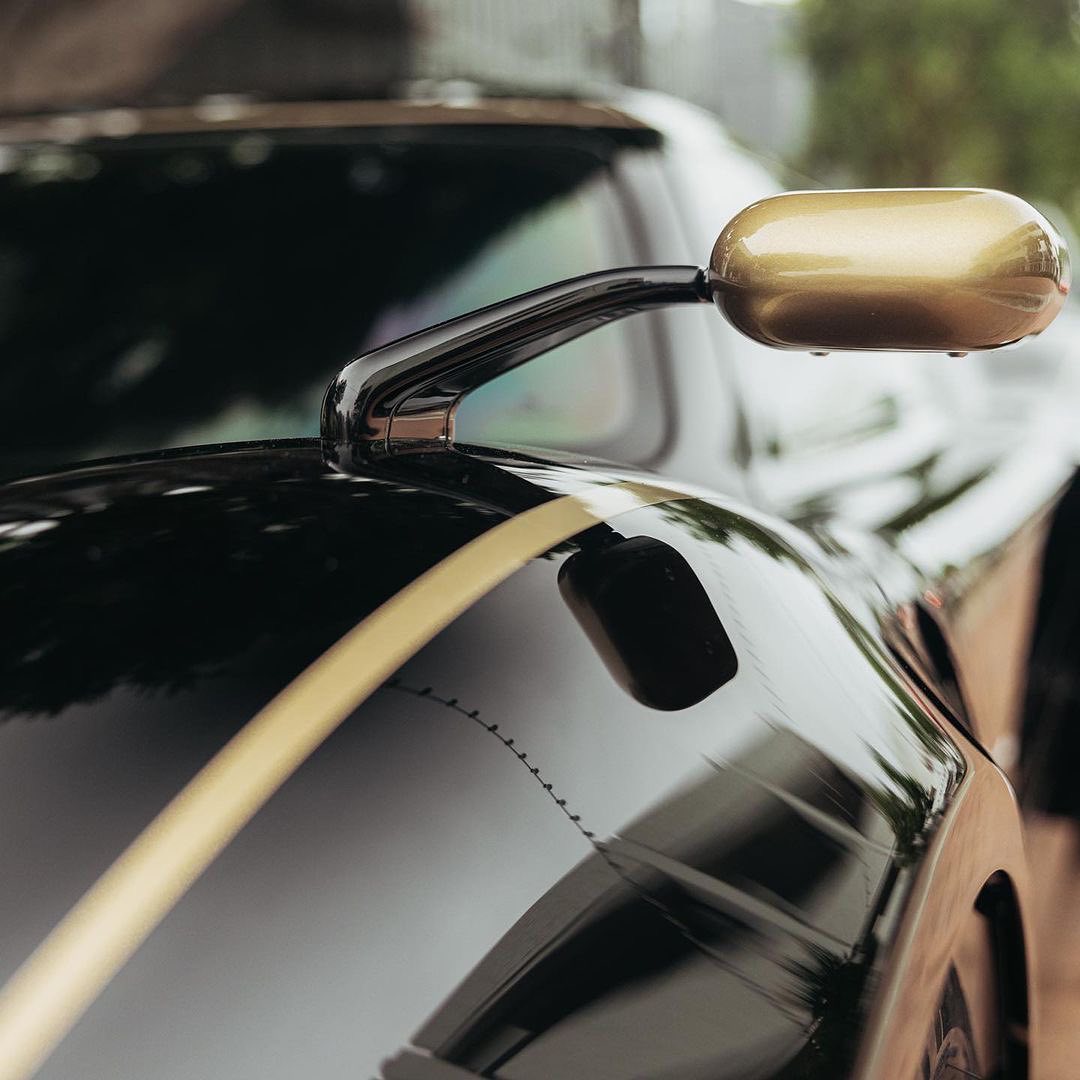


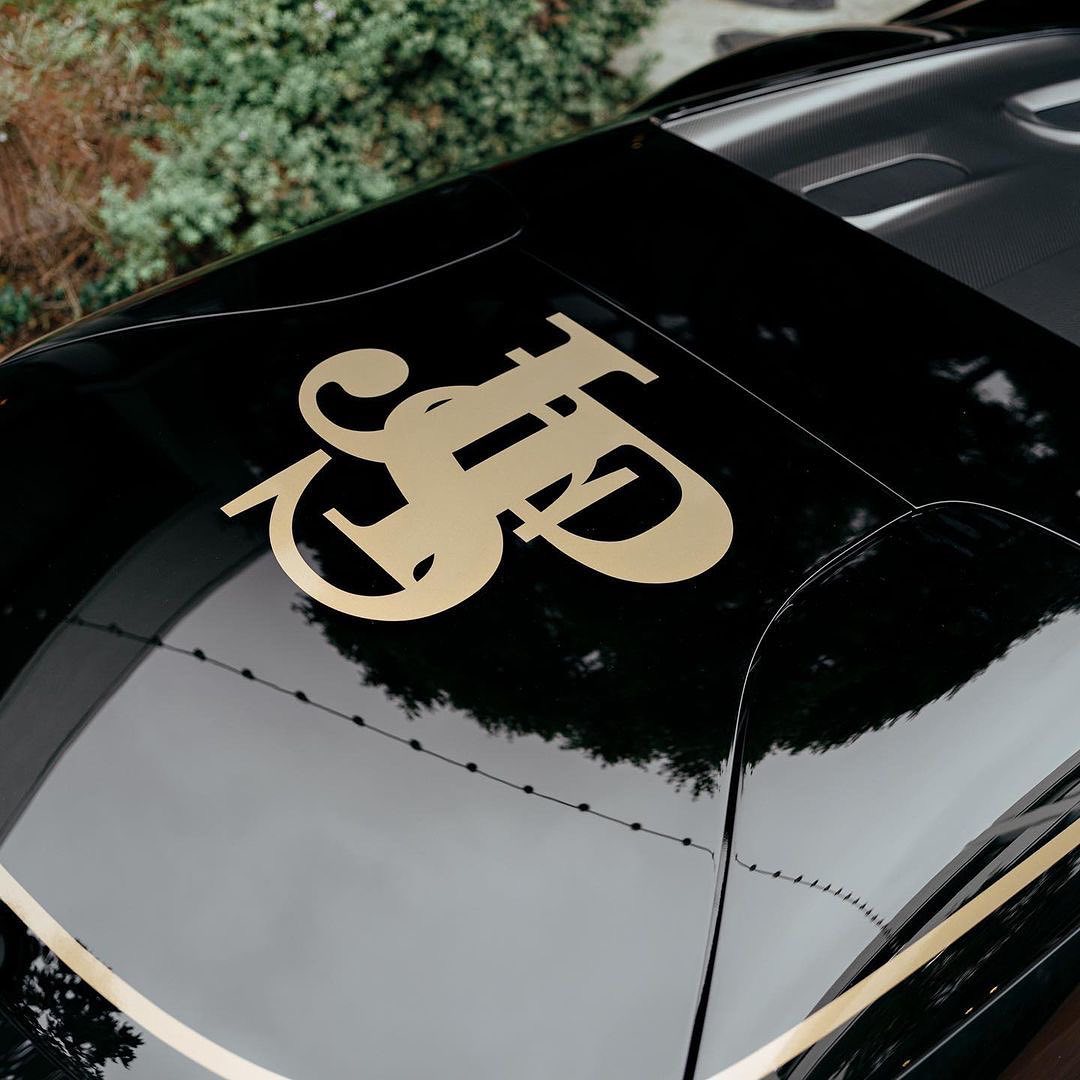
Posted in Because I Can, Planes Trains and Automobiles
Notes From An Inexperienced Chili Taster Named FRANK, who was visiting Texas from the East Coast:
“Recently I was honored to be selected as a judge at a chili cook-off. The original person called in sick at the last moment and I happened to be standing there at the judge’s table asking directions to the beer wagon when the call came. I was assured by the other two judges (Native Texans) that the chili wouldn’t be all that spicy, and besides, they told me I could have free beer during the tasting, so I accepted.
Here are the scorecards from the event:
Chili # 1: Mike’s Maniac Mobster Monster Chili
JUDGE ONE: A little too heavy on tomato. Amusing kick.
JUDGE TWO: Nice, smooth tomato flavor. Very mild.
FRANK: Holy cow, what the heck is this stuff? You could remove dried paint from your driveway. Took me two beers to put the flames out. I hope that’s the worst one. These Texans are crazy.
Chili # 2: Arthur’s Afterburner Chili
JUDGE ONE: Smoky, with a hint of pork. Slight Jalapeno tang.
JUDGE TWO: Exciting BBQ flavor, needs more peppers to be taken seriously.
FRANK: Keep this out of reach of children! I’m not sure what I am supposed to taste besides pain. I had to wave off two people who wanted to give me the Heimlich maneuver. They had to rush in more beer when they saw the look on my face.
Chili # 3: Fred’s Famous Burn Down the Barn Chili
JUDGE ONE: Excellent firehouse chili! Great kick. Needs more beans.
JUDGE TWO: A beanless chili, a bit salty, good use of red peppers.
FRANK: Call the EPA, I’ve located a uranium spill. My nose feels like I have been snorting Drano. Everyone knows the routine by now, get me more beer before I ignite. Barmaid pounded me on the back; now my backbone is in the front part of my chest. I’m getting drunk from all the beer.
Chili # 4: Bubba’s Black Magic
JUDGE ONE: Black bean chili with almost no spice. Disappointing.
JUDGE TWO: Hint of lime in the black beans. Good side dish for fish or other mild foods, not much of a chili.
FRANK: I felt something scraping across my tongue, but was unable to taste it, is it possible to burnout taste buds? Sally, the bar maid, was standing behind me with fresh refills; that 300 lb. wench is starting to look HOT, just like this nuclear waste I’m eating. Is chili an aphrodisiac?
Chili # 5: Linda’s Legal Lip Remover
JUDGE ONE: Meaty, strong chili. Cayenne peppers freshly ground, adding considerable kick. Very impressive.
JUDGE TWO: Chili using shredded beef; could use more tomato. Must admit the cayenne peppers make a strong statement.
FRANK: My ears are ringing, sweat is pouring off my forehead and I can no longer focus my eyes. I farted and four people behind me needed paramedics. The contestant seemed offended when I told her that her chili had given me brain damage. Sally saved my tongue from bleeding by pouring beer directly on it from a pitcher. I wonder if I’m burning my lips off? It really makes me mad that the other judges asked me to stop screaming. The heck with those rednecks!
Chili # 6: Vera’s Very Vegetarian Variety
JUDGE ONE: Thin yet bold vegetarian variety chili. Good balance of spice and peppers.
JUDGE TWO: The best yet. Aggressive use of peppers, onions, and garlic. Superb.
FRANK: My intestines are now a straight pipe filled with gaseous, sulfuric flames. I messed myself when I farted and I’m worried it will eat through the chair. No one seems inclined to stand behind me except Sally, she must be kinkier than I thought. Can’t feel my lips anymore. I need to wipe my butt with a snow cone!
Chili # 7: Susan’s Screaming Sensation Chili
JUDGE ONE: A mediocre chili with too much reliance on canned peppers.
JUDGE TWO: Ho Hum, tastes as if the chef literally threw in a can of chili peppers at the last moment. I should note that I am worried about Judge Number 3. He appears to be in a bit of distress as he is cursing uncontrollably.
FRANK: You could put a grenade in my mouth, pull the pin, and I wouldn’t feel a damn thing. I’ve lost the sight in one eye, and the world sounds like it is made of rushing water. My shirt is covered with chili which slid unnoticed out of my mouth. My pants are full of lava-like stuff to match my shirt. At least during the autopsy they’ll know what killed me. I’ve decided to stop breathing, it’s too painful. The heck with it, I’m not getting any oxygen anyway. If I need air, I’ll just suck it in through the 4-inch hole in my stomach.
Chili # 8: Helen’s Mount Saint Chili
JUDGE ONE: A perfect ending, this is a nice blend chili, safe for all, not too bold but spicy enough to declare its existence.
JUDGE TWO: This final entry is a good, balanced chili, neither mild nor hot. Sorry to see that most of it was lost when Judge Number 3 passed out, fell over and pulled the chili pot down on top of himself. Not sure if he’s going to make it. Poor Yank, wonder how he’d have reacted to a really hot chili?
FRANK: ————– (editor’s note: Judge #3 was unable to report)
Posted in Because I Can, Humor
Dear George:—
Remember no man is a failure who has friends.
Thanks for the wings!
Love
Clarence.
Posted in Because I Can, The Little Screen (Television)
From Wikipedia:
Starting in 1999, CP runs a Holiday Train along its main line during the months of November and December. The Holiday Train celebrates the holiday season and collects donations for community food banks and hunger issues. The Holiday Train also provides publicity for CP and a few of its customers. Each train has a box car stage for entertainers who are travelling along with the train.
The train is a freight train, but also pulls vintage passenger cars which are used as lodging/transportation for the crew and entertainers. Only entertainers and CP employees are allowed to board the train aside from a coach car that takes employees and their families from one stop to the next. All donations collected in a community remain in that community for distribution.
There are two Holiday Trains that cover 150 stops in Canada and the United States Northeast and Midwest. Each train is roughly 1,000 feet (300 m) in length with brightly decorated railway cars, including a modified box car that has been turned into a travelling stage for performers. They are each decorated with hundred of thousands of LED Christmas lights. In 2013 to celebrate the program’s 15th year, three signature events were held in Hamilton, Ontario, Calgary, Alberta, and Cottage Grove, Minnesota, to further raise awareness for hunger issues.
The trains feature different entertainers each year; in 2016, one train featured Dallas Smith and the Odds, while the other featured Colin James and Kelly Prescott. After its 20th anniversary tour in 2018, which hosted Terri Clark, Sam Roberts Band, The Trews and Willy Porter, the tour reported to have raised more than CA$15.8 million and collected more than 4.5 million pounds (2,000 t) of food since 1999.
Posted in Because I Can, Planes Trains and Automobiles

Christine Anne McVie (née Perfect) was an English musician, and the vocalist and keyboardist of Fleetwood Mac, which she joined in 1970. She also released three solo albums. Her lyrics focused on love and relationships. Steve Leggett of AllMusic described her as an “unabashedly easy-on-the-ears singer/songwriter, and the prime mover behind some of Fleetwood Mac’s biggest hits.” Eight songs written or co-written by her, including “Don’t Stop”, “Everywhere” and “Little Lies”, appeared on Fleetwood Mac’s 1988 Greatest Hits album.
Posted in Because I Can, Music, News