


- Beef on Weck
- Being a Mother
- Chili Cook-off
- Communication (Gazebo)
- CREAMI Vanilla Ice Cream
- Daddy
- Everyone has an Angel
- Family
- Gonna be a Bear
- Harrison Bergeron
- Mute and Alone
- Privacy Policy
- Rikki-tikki-tavi
- Scientists Study Grizzly Bears
- Ship vs. Lighthouse
- Slim To None
- Snowvember (Buffalo 2014)
- Somebody…
- The Present
- The Soldier
- The Star
- Winter
- 11foot8.com
- 365 Tomorrows
- 7 into 28
- A Tale of Two Brains
- Alien to Covenant – History of Alien
- Am I Unique
- AMARC
- American Muscle Car Museum
- Andre Rieu
- Antipodes Map
- Ark in Space
- Azure Status
- Best Sleepover
- Bill Cosby – Revenge
- Blizzard of '77
- Broken Chains
- CDC – Flu
- Christmas Forever AZ
- Coldest City on Earth
- Creations for Charity (Lego)
- Cruise.com
- Curb Watching
- D&D Beyond
- D&D Beyond to FG Character Converter
- D&D in a Castle
- Daily Fuel Gauge Report
- Dinosaur Earth
- DMs Guild
- Dofo
- Dr. Demento
- DriveThru RPG
- Dungeon in a Box
- Dyson’s Dodecahedron
- Fantasy Name Generator
- Farmer's Donkey
- Fast Character
- Flight Aware
- Flight Radar 24
- Flixable
- Gaming Table
- Genius
- Geo Guesser!
- Hack The Menu
- Hackers for Charity
- Hadzy
- Have I been Pwned
- HexRoll
- How to remove a tick (properly)
- Identity Theft Resource Center
- Leak Lookup
- Line Rider – Hall of the Mountain King
- Make My Drive Fun
- Malwarebytes Digital Footprint Poral
- Mapologies
- Marine Traffic
- MathPapa
- MechWarrior Online
- Medieval Murder Maps
- Meteor Shower Calendar
- Mini Building Materials
- Monterey Bay Aquarium
- MyAbandonware
- Nah! I just might be in there!
- National Do Not Call Registry
- No More Ransom
- NOAA – Louisville
- Nobody Live
- Norse Cyber Attack Map
- OCEARCH.org
- Omega Game Shrine
- Out of the Woods Forestry
- Overt
- PacketLossTest.com
- PC Gaming Wiki
- Percheron
- Periodic Stats
- Periodic Videos (TED)
- Permethin Fact Sheet
- Pigeon Key Foundation
- Project 44
- pTable
- Pumpkin Pile
- Random Restaurant Generator
- Rankin/Bass – Wikipedia
- ReelGood
- RockAuto
- Roll20 Enhancement Suite
- S1954E25 – From A to Z-Z-Z-Z
- S1957E07 – Boyhood Daze
- Schimpff's
- Scuba Shooters
- Sinking of the Titanic
- Smoky Mountain Fall Foliage Map
- Speedsums
- SR-71 Speed Check
- Steam Status
- Still Tasty
- StreamSquid
- Sunken Ships of the Second World War
- Super Slice!
- Swedish Fish
- Tabletop RPG in a Castle!
- Tank America
- Taste Dive
- TBSP (TaBleSPoon)
- The Louvre
- The Oz Museum
- The Strong National Museum of Play
- They Can Talk
- This Beat Goes on/Switchin' to Glide
- Tick Removal (CDC)
- To Serve Man
- Top Tier Gas
- Trappistine Candy
- Vacation Rentals By Owner
- Vehicle Privacy Report
- VPNFilter Check
- War Puppets Rise to Heaven
- Weather Back Home
- WebGL Water
- Whalers on the Moon
- What's New on Netflix
- Who's On First
- Who's the Voss?
- Why are Jacks called Jacks?
- Wild Spirit
- Window Swap
- WKRP Turkey Drop
- Wordcount
- World's Hottest Chocolate Bar
- WWII Portraits of Honor
- October 2026
- September 2026
- August 2026
- July 2026
- June 2026
- May 2026
- April 2026
- March 2026
- February 2026
- January 2026
- December 2025
- November 2025
- October 2025
- September 2025
- August 2025
- July 2025
- June 2025
- May 2025
- April 2025
- March 2025
- February 2025
- January 2025
- December 2024
- November 2024
- October 2024
- September 2024
- August 2024
- July 2024
- June 2024
- May 2024
- April 2024
- March 2024
- February 2024
- January 2024
- December 2023
- November 2023
- October 2023
- September 2023
- August 2023
- July 2023
- June 2023
- May 2023
- April 2023
- March 2023
- February 2023
- January 2023
- December 2022
- November 2022
- October 2022
- September 2022
- August 2022
- July 2022
- June 2022
- May 2022
- April 2022
- March 2022
- February 2022
- January 2022
- December 2021
- November 2021
- October 2021
- September 2021
- August 2021
- July 2021
- June 2021
- May 2021
- April 2021
- March 2021
- February 2021
- January 2021
- December 2020
- November 2020
- October 2020
- September 2020
- August 2020
- July 2020
- June 2020
- May 2020
- April 2020
- March 2020
- February 2020
- January 2020
- December 2019
- November 2019
- October 2019
- September 2019
- August 2019
- July 2019
- June 2019
- May 2019
- April 2019
- March 2019
- February 2019
- January 2019
- December 2018
- November 2018
- October 2018
- September 2018
- August 2018
- July 2018
- June 2018
- May 2018
- April 2018
- March 2018
- February 2018
- January 2018
- December 2017
- November 2017
- October 2017
- September 2017
- August 2017
- July 2017
- June 2017
- May 2017
- April 2017
- March 2017
- February 2017
- January 2017
- December 2016
- November 2016
- October 2016
- September 2016
- August 2016
- July 2016
- June 2016
- May 2016
- April 2016
- March 2016
- February 2016
- January 2016
- December 2015
- November 2015
- October 2015
- September 2015
- August 2015
- July 2015
- June 2015
- May 2015
- April 2015
- March 2015
- February 2015
- January 2015
- December 2014
- November 2014
- October 2014
- September 2014
- August 2014
- July 2014
- June 2014
- May 2014
- April 2014
- March 2014
- February 2014
- January 2014
- December 2013
- November 2013
- October 2013
- September 2013
- August 2013
- July 2013
- June 2013
- May 2013
- April 2013
- March 2013
- February 2013
- January 2013
- December 2012
- November 2012
- October 2012
- September 2012
- August 2012
- July 2012
- June 2012
- May 2012
- April 2012
- March 2012
- February 2012
- January 2012
- December 2011
- November 2011
- October 2011
- September 2011
- August 2011
- July 2011
- June 2011
- May 2011
- April 2011
Category Archives: Planes Trains and Automobiles
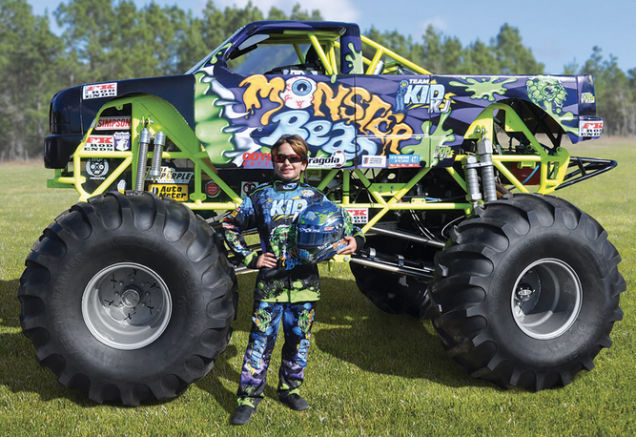
Mini Monster Truck
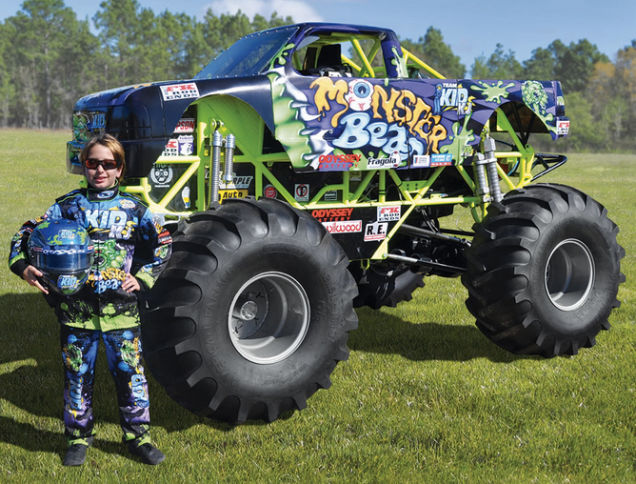
Is your kid spoiled? Not if he doesn’t have one of these!
Posted in Because I Can, Gadgets, Planes Trains and Automobiles
Inspiration Truck
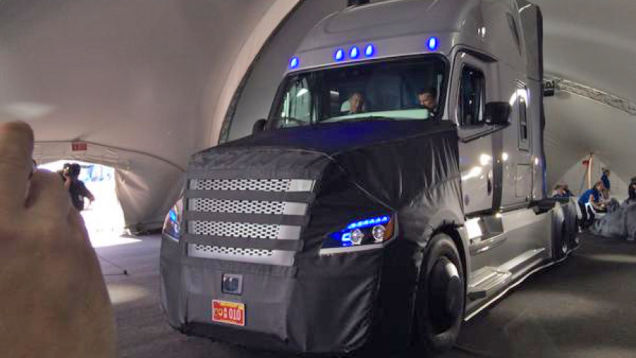
The Freightliner “Inspiration Truck” will be the first autonomous commercial truck to drive on American roads. Nevada Governor Brian Sandoval and Daimler Chairman Wolfgang Bernhard just bolted on its Autonomous Vehicle license plate to prove it’s the real deal, and it’s already been spotted in action.
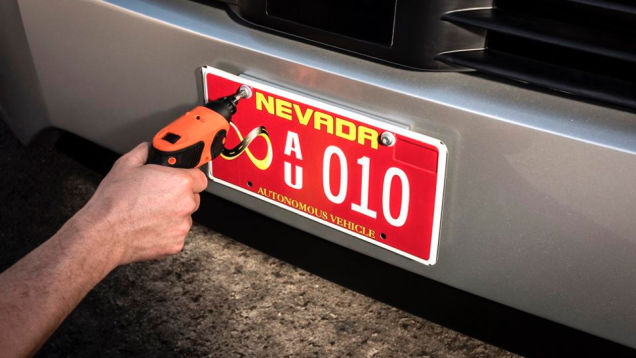
Big rigs might seem a little old-school in an era where everything travels by carrier drone– oh wait, it doesn’t. The American Trucking Associations says trucks moved 68.5 percent of all domestic freight tonnage in 2012 and Bernhard thinks current road freight volumes will triple by 2050.
In a Q&A session, Bernhard has explained that the Inspiration Truck will still have a driver, but that person’s purpose will be solely to monitor the truck’s systems and intervene in the event of a malfunction.
The truck requires no special hypothetical infrastructure, and it’s able to read road signs and traffic signals on its own.
Posted in Because I Can, Gadgets, Planes Trains and Automobiles
First Allied Jet Flies
FIRST ALLIED JET FLIES:
May 15, 1941
May 15, 1941
On May 15, 1941, the jet-propelled Gloster-Whittle E 28/39 aircraft flies successfully over Cranwell, England, in the first test of an Allied aircraft using jet propulsion. The aircraft’s turbojet engine, which produced a powerful thrust of hot air, was devised by Frank Whittle, an English aviation engineer and pilot generally regarded as the father of the jet engine.
Whittle, born in Coventry in 1907, was the son of a mechanic. At the age of 16, he joined the Royal Air Force (RAF) as an aircraft apprentice at Cranwell and in 1926 passed a medical exam to become a pilot and joined the RAF College. He won a reputation as a daredevil flier and in 1928 wrote a senior thesis entitled Future Developments in Aircraft Design, which discussed the possibilities of rocket propulsion.
From the first Wright brothers flight in 1903 to the first jet flight in 1939, most airplanes were propeller driven. In 1910, the French inventor Henri Coanda built a jet-propelled bi-plane, but it crashed on its maiden flight and never flew again. Coanda’s aircraft attracted little notice, and engineers stuck with propeller technology; even though they realized early on that propellers would never overcome certain inherent limitations, especially in regard to speed.
After graduating from the RAF college, Whittle was posted to a fighter squadron, and in his spare time he worked out the essentials of the modern turbojet engine. A flying instructor, impressed with his propulsion ideas, introduced him to the Air Ministry and a private turbine engineering firm, but both ridiculed Whittle’s ideas as impractical. In 1930, he patented his jet engine concept and in 1936 formed the company Power Jets Ltd. to build and test his invention. In 1937, he tested his first jet engine on the ground. He still received only limited funding and support, and on August 27, 1939, the German Heinkel He 178, designed by Hans Joachim Pabst von Ohain, made the first jet flight in history. The German prototype jet was developed independently of Whittle’s efforts.
One week after the flight of the He 178, World War II broke out in Europe, and Whittle’s project got a further lease of life. The Air Ministry commissioned a new jet engine from Power Jets and asked the Gloster Aircraft Company to build an experimental aircraft to accommodate it, specified as E 28/39. On May 15, 1941, the jet-propelled Gloster-Whittle E 28/39 flew, beating out a jet prototype being developed by the same British turbine company that earlier balked at his ideas. In its initial tests, Whittle’s aircraft–flown by the test pilot Gerry Sayer–achieved a top speed of 370 mph at 25,000 feet, faster than the Spitfire or any other conventional propeller-driven machine.
As the Gloster Aircraft Company worked on an operational turbojet aircraft for combat, Whittle aided the Americans in their successful development of a jet prototype. With Whittle’s blessing, the British government took over Power Jets Ltd. in 1944. By this time, Britain’s Gloster Meteor jet aircraft were in service with the RAF, going up against Germany’s jet-powered Messerschmitt Me 262s in the skies over Europe.
Whittle retired from the RAF in 1948 with the rank of air commodore. That year, he was awarded 100,000 pounds by the Royal Commission on Awards to Inventors and was knighted. His book Jet: The Story of a Pioneer was published in 1953. In 1977, he became a research professor at the United States Naval Academy in Annapolis, Maryland. He died in Columbia, Maryland, in 1996.
Posted in Patriotic, Planes Trains and Automobiles
RIP Carroll Shelby
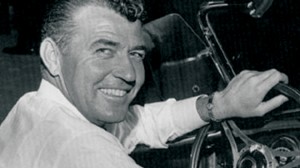
Carroll Hall Shelby (January 11, 1923 – May 10, 2012)
Carroll Shelby was an American automotive designer and racing driver. He was most well known for making the AC Motors-based Shelby American Cobra and later the Mustang-based performance cars for Ford Motor Company known as Mustang Cobras which he has done since 1965. His company, Shelby American Inc., founded in 1962, currently sells modified Ford vehicles, as well as performance parts.
The one-time chicken farmer had more than a half-dozen successful careers during his long life. Among them: champion race car driver, racing team owner, automobile manufacturer, automotive consultant, safari tour operator, raconteur, chili entrepreneur and philanthropist.
“He’s an icon in the medical world and an icon in the automotive world,” his longtime friend, Dick Messer, executive director of Los Angeles’ Petersen Automotive Museum, once said of Shelby.
“His legacy is the diversity of his life,” Messer said. “He’s incredibly innovative. His life has always been the reinvention of Carroll Shelby.”
Shelby first made his name behind the wheel of a car, winning France’s grueling 24 Hours of Le Mans sports car race with teammate Ray Salvadori in 1959. He already was suffering serious heart problems and ran the race “with nitroglycerin pills under his tongue,” Messer once noted.
He had turned to the race-car circuit in the 1950s after his chicken ranch failed. He won dozens of races in various classes throughout the 1950s and was twice named Sports Illustrated’s Driver of the Year.
Soon after his win at Le Mans, he gave up racing and turned his attention to designing high-powered “muscle cars” that eventually became the Shelby Cobra and the Mustang Shelby GT500.
The Cobra, which used Ford engines and a British sport car chassis, was the fastest production model ever made when it was displayed at the New York Auto Show in 1962.
A year later, Cobras were winning races over Corvettes, and in 1964 the Rip Chords had a Top 5 hit on the Billboard pop chart with “Hey, Little Cobra.” (“Spring, little Cobra, getting ready to strike, spring, little Cobra, with all of your might. Hey, little Cobra, don’t you know you’re gonna shut ’em down?”)
In 2007, an 800-horsepower model of the Cobra made in 1966, once Shelby’s personal car, sold for $5.5 million at auction, a record for an American car.
“It’s a special car. It would do just over three seconds to 60 (mph), 40 years ago,” Shelby told the crowd before the sale, held in Scottsdale, Ariz.
It was Lee Iacocca, then head of Ford Motor Co., who had assigned Shelby the task of designing a fastback model of Ford’s Mustang that could compete against the Corvette for young male buyers.
Turning a vehicle he had once dismissed as “a secretary car” into a rumbling, high-performance model was “the hardest thing I’ve done in my life,” Shelby recalled in a 2000 interview with The Associated Press.
That car and the Shelby Cobra made his name a household word in the 1960s.
Posted in Because I Can, News, Planes Trains and Automobiles
Lusitania sinks
Lusitania sinks
On the afternoon of May 7, 1915, the British ocean liner Lusitania is torpedoed without warning by a German submarine off the south coast of Ireland. Within 20 minutes, the vessel sank into the Celtic Sea. Of 1,959 passengers and crew, 1,198 people were drowned, including 128 Americans. The attack aroused considerable indignation in the United States, but Germany defended the action, noting that it had issued warnings of its intent to attack all ships, neutral or otherwise, that entered the war zone around Britain.
Posted in On This Day, Planes Trains and Automobiles
The Hindenburg Disaster
The Hindenburg Disaster
On this day in 1937, the airship Hindenburg, the largest dirigible ever built and the pride of Nazi Germany, bursts into flames upon touching its mooring mast in Lakehurst, New Jersey, killing 36 passengers and crewmembers.
Posted in On This Day, Planes Trains and Automobiles
Awesome Aviation Picture
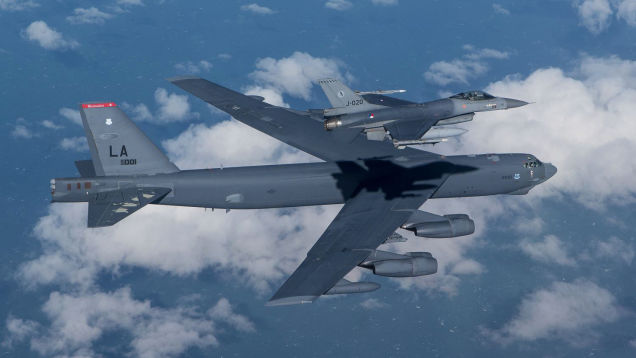
One of Europe’s top aviation photographers, Frank Crebas, was along for the ride in a F-16BM as Dutch F-16s intercepted a pair of B-52H Stratofortresses during Exercise Polar Growl. The result was this amazing image of an F-16 over a B-52 with its shadow perfectly aligned on the big bomber’s spine.
Posted in Because I Can, Planes Trains and Automobiles
Ripsaw EV2
This is the Ripsaw EV2, it’s the product of a company called Howe & Howe.
Posted in Planes Trains and Automobiles
Birth of the Mustang (and the Pony Car)
April 17, 1964: Ford Mustang Starts Galloping
1964: Ford introduces the Mustang at the New York World’s Fair. It becomes an instant hit and an icon that alters the automotive landscape, giving rise to one of the most successful — and most uniquely American — automobile genres: the pony car.
The Ford Mustang was born of the simple idea that putting a back seat in a sports car would be a great idea.
The idea came to Lee Iacocca and Donald Frey in the early 1960s as the country was being overrun by European sports cars. Everywhere you looked you saw Alfa Romeos and MGs and Triumphs that dripped oil. Even French cars that would draw peals of laughter today were popular back then.
The two Ford execs saw a vast market literally rolling before their eyes, and, according to legend, the notion of a sports car with a back seat was one of those “ah-hah” moments. If Ford could dilute the European ethos just a bit by making the cars a bit more practical and a lot more affordable, Iacocca figured, the company would sell a few thousand.
He was right, but boy was he wrong. Ford didn’t sell thousands of them. It sold millions of them.
They sold 22,000 on the first day.
The Mustang was more than a success. It was a phenomenon. Ford sold 1 million in the first 18 months, making the Mustang its most successful launch since the Model A.
The pony car is easy to define. It was small by Detroit standards, with sporty styling. It had a back seat for your kids and a usable trunk for your stuff. And the rear wheels were driven by an engine — ideally a big V-8 — mounted up front where God and Henry Ford intended.
Pony cars may not have had the finesse of a European sports car, but they made up for it with brute force. A small-block V-8 can make up for a multitude of handling deficiencies.
The Mustang was successful like the Beatles were popular. Ford figured it would sell around 100,000 in the first 12 months of production. It sold 10 times that number in the first 18.
That success was not lost on the rest of Detroit, and everyone was cranking out pony cars by 1967. General Motors introduced the Chevrolet Camaro and its kissing cousin, the Pontiac Firebird. Ford offered the more upscale Mercury Cougar. Chrysler released the Challenger. Even AMC — google it, we’ll wait — got into the act with the Javelin.
Everyone had a favorite, and even now loyalists occasionally come to blows over which one was best. Countless bets have been made and races staged in displays of testosterone and bravado that would make Dr. Freud sit down for a cigar and a good long think.
And that was just in the parking lots and streets. Things really got wild when the automakers got in on the act, bringing in drivers like Dan Gurney and George Follmer and Mark Donohue to show who built the best car. The contest grew so heated it gave rise to a pony-car–specific racing series called Trans Am. (The car was named after the series, not the other way around.)
We’re inclined to give the award to the Mustang, if only because Steve McQueen drove a ’68 fastback in the most famous chase scene in cinematic history, that amazing dash through the streets of San Francisco in Bullitt.
The Mustang also gets the nod for sheer longevity. Oh sure, you can get a new Camaro that looks like a vintage Camaro, or a new Dodge Challenger that looks like a vintage Dodge Challenger.
But the Mustang is the only pony car to remain in continuous production since its introduction 45 years ago.
Ford has sold more than 9 million worldwide.
Posted in Because I Can, Planes Trains and Automobiles
Anniversary of the sinking of the Titanic
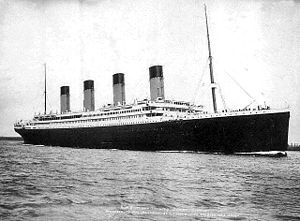
RMS Titanic departing Southampton on 10 April 1912
On April 15th, 1912, RMS Titanic struck an iceberg on her maiden voyage from Southampton, England to New York City and sank, taking over 1500 lives with her.
Posted in Because I Can, On This Day, Planes Trains and Automobiles
OMG!
Ignore the girls (if you want) – but check out these cars!!! (Oh, and the music!)
https://youtu.be/T95NMc9qHto
Posted in Music, Planes Trains and Automobiles
Touch Roll Touch
The Lockheed F-104 Starfighter, also known as the “Missile With A Man In It,” is known for many things. It was the first operational mach two capable fighter, it was designed by the legendary Kelly Johnson and served with 15 nations for almost 50 years. One thing it is not known for is its slow-speed handling.

Posted in Planes Trains and Automobiles
Quite a sight – Project 808 Symphony Yacht crossing the street

The Feadship Fanclub Facebook community posted a photo of the giant Project 808 Symphony yacht by Feadship Yachts traveling through the Gouwe Aquaduct in Gouda, The Netherlands as it passes over the A12 motorway.
Posted in Planes Trains and Automobiles
The Beer Engine

It’s called The Beer Engine. The Hogs Back Brewery in Tongham, Surrey, UK commissioned this custom motorcycle. As you can see, the sidecar is a beer keg, spigot and all. The gear shift lever is a beer engine pull. The owners use the motorcycle to draw the attention of crowds at festivals and other public events.
Posted in Planes Trains and Automobiles
