Category Archives: Planes Trains and Automobiles

Lusitania sinks

Lusitania sinks

On the afternoon of May 7, 1915, the British ocean liner Lusitania is torpedoed without warning by a German submarine off the south coast of Ireland. Within 20 minutes, the vessel sank into the Celtic Sea. Of 1,959 passengers and crew, 1,198 people were drowned, including 128 Americans. The attack aroused considerable indignation in the United States, but Germany defended the action, noting that it had issued warnings of its intent to attack all ships, neutral or otherwise, that entered the war zone around Britain.

The Hindenburg Disaster

The Hindenburg Disaster

On this day in 1937, the airship Hindenburg, the largest dirigible ever built and the pride of Nazi Germany, bursts into flames upon touching its mooring mast in Lakehurst, New Jersey, killing 36 passengers and crewmembers.

RIP Pontiac

Pontiac

Pontiac (1926 – 2010)


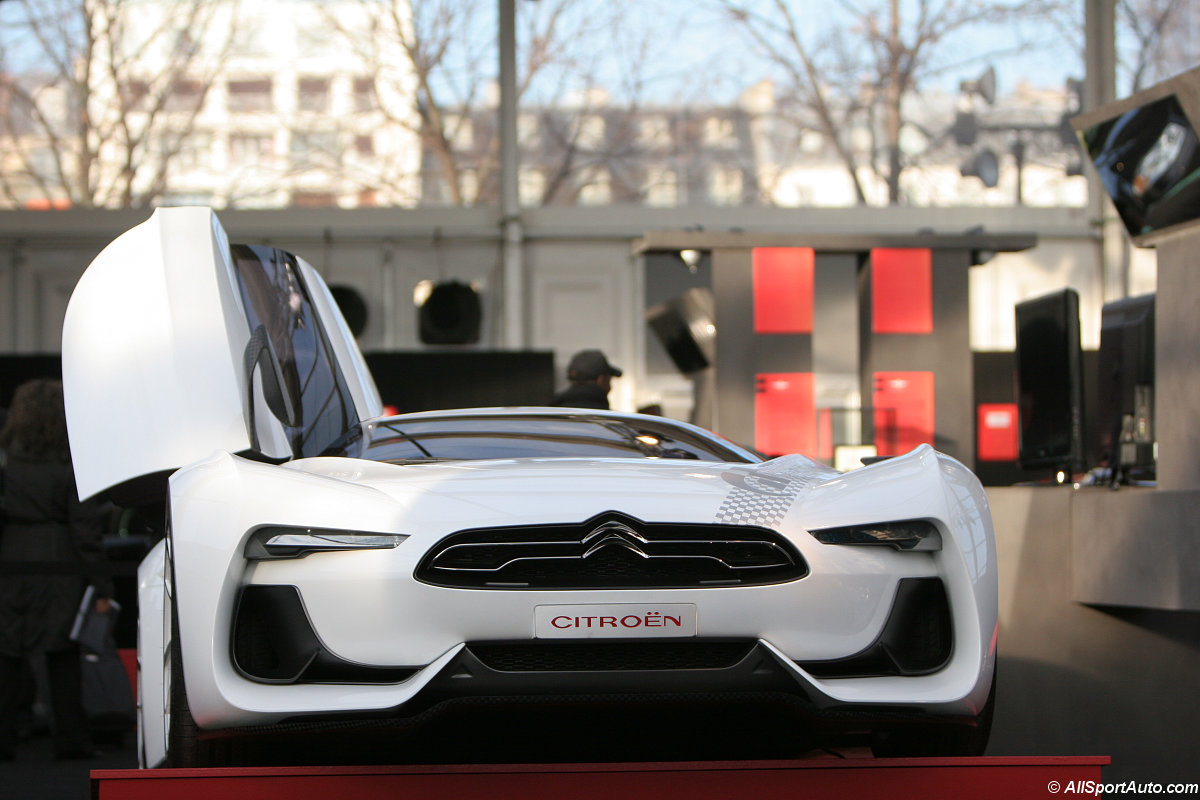
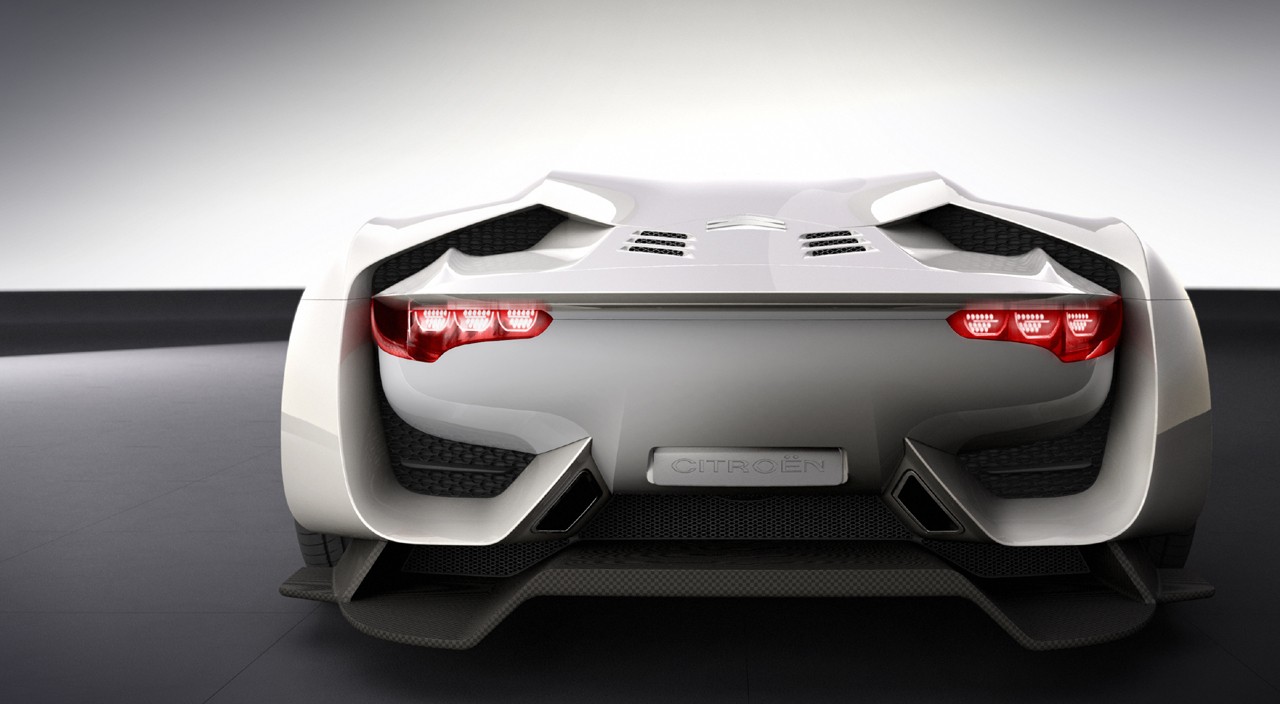
Citroen GT Concept

Citroen GT Front Citroen GT with Doors Open Citroen GT Front Citroen GT Rear Citroen GT Rear

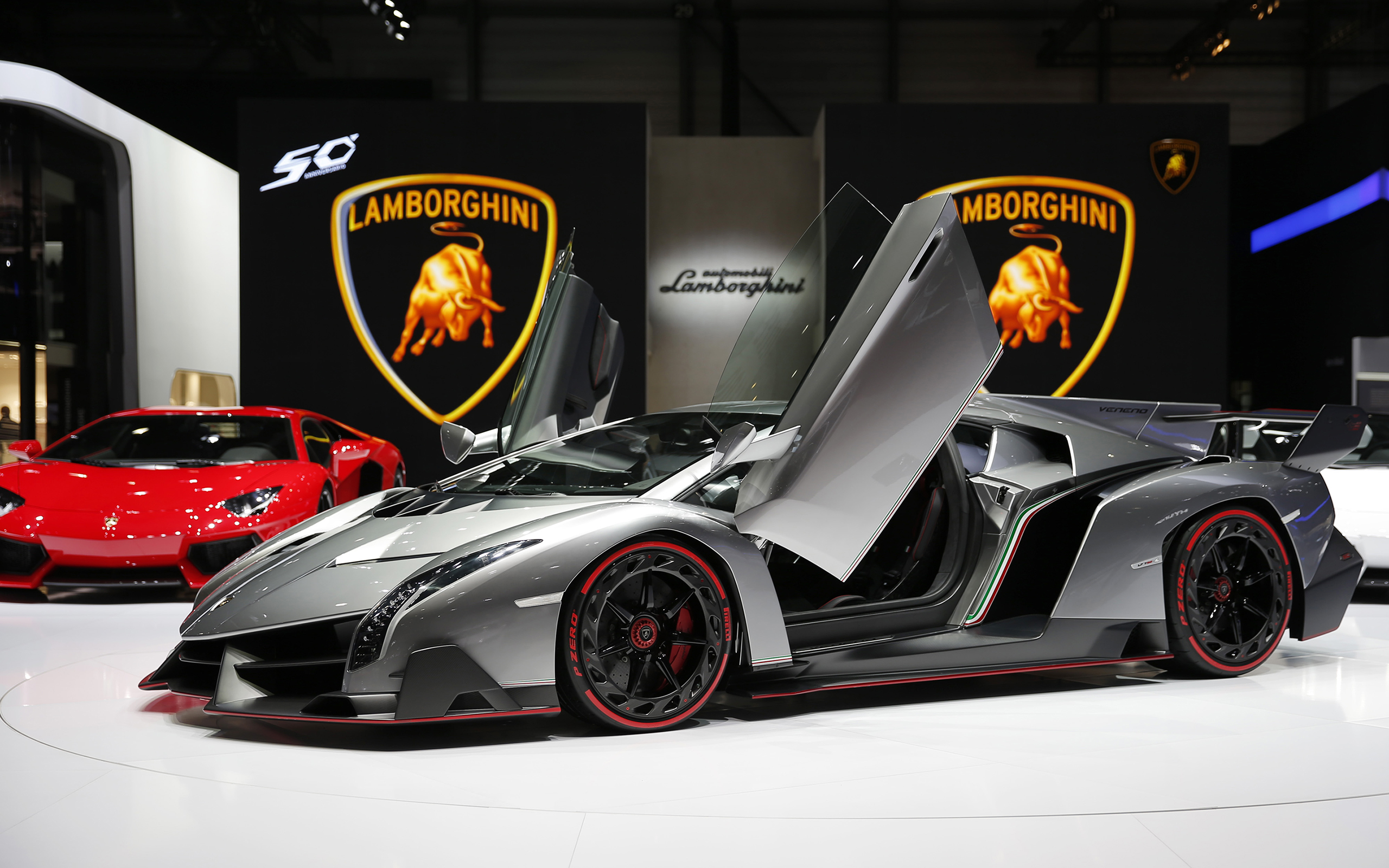
Lamborghini Veneno

Lamborghini Venenos

Birth of the Mustang (and the Pony Car)

April 17, 1964: Ford Mustang Starts Galloping

1964: Ford introduces the Mustang at the New York World’s Fair. It becomes an instant hit and an icon that alters the automotive landscape, giving rise to one of the most successful — and most uniquely American — automobile genres: the pony car.

The Ford Mustang was born of the simple idea that putting a back seat in a sports car would be a great idea.

The idea came to Lee Iacocca and Donald Frey in the early 1960s as the country was being overrun by European sports cars. Everywhere you looked you saw Alfa Romeos and MGs and Triumphs that dripped oil. Even French cars that would draw peals of laughter today were popular back then.

The two Ford execs saw a vast market literally rolling before their eyes, and, according to legend, the notion of a sports car with a back seat was one of those “ah-hah” moments. If Ford could dilute the European ethos just a bit by making the cars a bit more practical and a lot more affordable, Iacocca figured, the company would sell a few thousand.

He was right, but boy was he wrong. Ford didn’t sell thousands of them. It sold millions of them.

They sold 22,000 on the first day.

The Mustang was more than a success. It was a phenomenon. Ford sold 1 million in the first 18 months, making the Mustang its most successful launch since the Model A.

The pony car is easy to define. It was small by Detroit standards, with sporty styling. It had a back seat for your kids and a usable trunk for your stuff. And the rear wheels were driven by an engine — ideally a big V-8 — mounted up front where God and Henry Ford intended.

Pony cars may not have had the finesse of a European sports car, but they made up for it with brute force. A small-block V-8 can make up for a multitude of handling deficiencies.

The Mustang was successful like the Beatles were popular. Ford figured it would sell around 100,000 in the first 12 months of production. It sold 10 times that number in the first 18.

That success was not lost on the rest of Detroit, and everyone was cranking out pony cars by 1967. General Motors introduced the Chevrolet Camaro and its kissing cousin, the Pontiac Firebird. Ford offered the more upscale Mercury Cougar. Chrysler released the Challenger. Even AMC — google it, we’ll wait — got into the act with the Javelin.

Everyone had a favorite, and even now loyalists occasionally come to blows over which one was best. Countless bets have been made and races staged in displays of testosterone and bravado that would make Dr. Freud sit down for a cigar and a good long think.

And that was just in the parking lots and streets. Things really got wild when the automakers got in on the act, bringing in drivers like Dan Gurney and George Follmer and Mark Donohue to show who built the best car. The contest grew so heated it gave rise to a pony-car–specific racing series called Trans Am. (The car was named after the series, not the other way around.)

We’re inclined to give the award to the Mustang, if only because Steve McQueen drove a ’68 fastback in the most famous chase scene in cinematic history, that amazing dash through the streets of San Francisco in Bullitt.

The Mustang also gets the nod for sheer longevity. Oh sure, you can get a new Camaro that looks like a vintage Camaro, or a new Dodge Challenger that looks like a vintage Dodge Challenger.

But the Mustang is the only pony car to remain in continuous production since its introduction 45 years ago.

Ford has sold more than 9 million worldwide.

Anniversary of the sinking of the Titanic

Titanic

RMS Titanic departing Southampton on 10 April 1912

On April 15th, 1912, RMS Titanic struck an iceberg on her maiden voyage from Southampton, England to New York City and sank, taking over 1500 lives with her.

Wikipedia Link

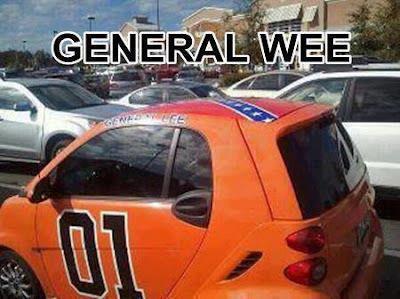
General Wee

General Wee

Mid-America Truck Show!

2012 Mid-America Trucking Show  |  March 21 – 23, 2013  |  Louisville, KY at the Kentucky Exposition Center

Mid-America Truck Show

Official Site

Mid-America Truck Show!

2012 Mid-America Trucking Show  |  March 21 – 23, 2013  |  Louisville, KY at the Kentucky Exposition Center

Mid-America Truck Show

Official Site

Mid-America Truck Show!

2012 Mid-America Trucking Show  |  March 21 – 23, 2013  |  Louisville, KY at the Kentucky Exposition Center

Mid-America Truck Show

Official Site

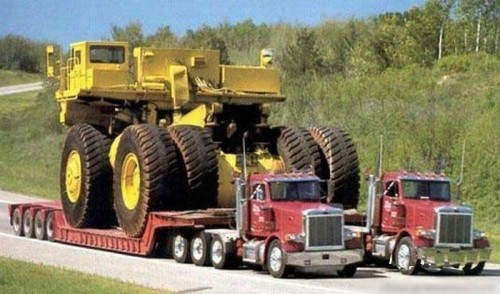
MASSIVE Dump Truck!

Massive Dump Truck

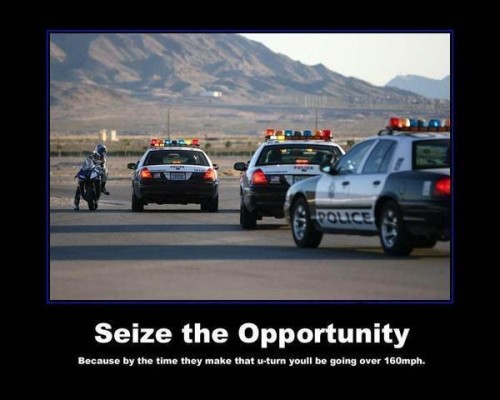
Sieze The Opportunity!

Sieze the Opportunity

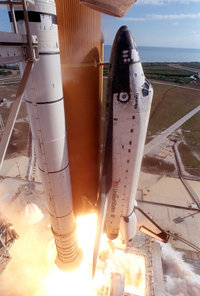
In Remembrance – Space Shuttle Columbia & Crew

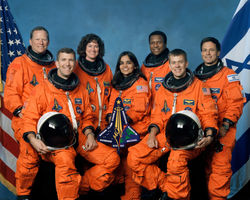
On February 1, 2003, the Space Shuttle Columbia disintegrated during re-entry on its 28th mission; all seven crew members aboard perished.

Columbia Launch STS-107

Columbia launches on its final mission, STS-107.

Columbia STS-107 Crew

The crew of STS-107. L to R: Brown, Husband, Clark, Chawla, Anderson, McCool, Ramon.

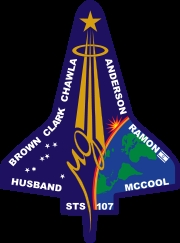
Columbia STS-107 Mission Patch

Columbia STS-107 Mission Patch.

Wikipedia Link

In Remembrance – Space Shuttle Challenger & Crew

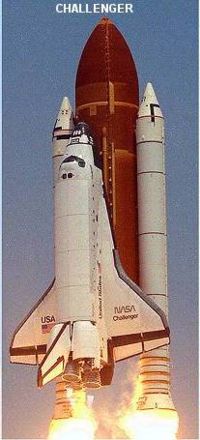
On January 28, 1986, the Space Shuttle Challenger disintegrated 73 seconds into its flight after an O-ring seal in its right solid rocket booster (SRB) failed at liftoff.

Challenger STS-51 at Launch

Challenger launches on its final mission, STS-51.

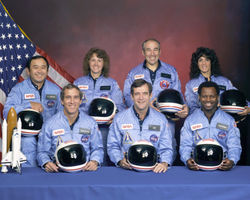
Challenger STS-51 Crew

The crew of STS-51. Front row, from left to right: Smith, Scobee, and McNair. Back row, from left to right: Onizuka, McAuliffe, Jarvis, and Resnik.

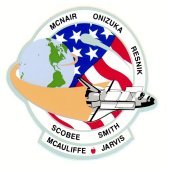
Challenger STS-51 Mission Patch

STS-51 mission patch.

Wikipedia Link

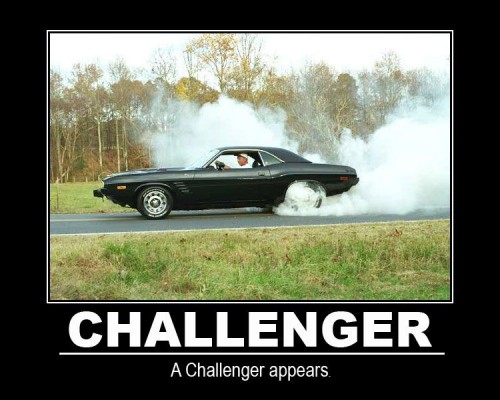
A Challenger Appears

A Challenger Appears

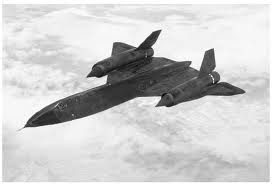
SR-71 ‘Blackbird’ Sets ‘Speed Over a Recognized Course’ record

SR-71

The SR-71 holds the “Speed Over a Recognized Course” record for flying from New York to London distance 3,508 miles (5,646 km), 1,435.587 miles per hour (2,310.353 km/h), and an elapsed time of 1 hour 54 minutes and 56.4 seconds, set on September 1, 1974 while flown by U.S. Air Force Pilot Maj. James V. Sullivan and Maj. Noel F. Widdifield, reconnaissance systems officer (RSO). This equates to an average velocity of about Mach 2.68, including deceleration for in-flight refueling. Peak speeds during this flight were probably closer to the declassified top speed of Mach 3.2+. For comparison, the best commercial Concorde flight time was 2 hours 52 minutes, and the Boeing 747 averages 6 hours 15 minutes.

Wikipedia Link

43nd Annual Street Rod Nationals

NSRA Street Rod Nationals

August 2 – 5, 2012
Kentucky Exposition Center
Louisville, Kentucky

Official Site

43nd Annual Street Rod Nationals

NSRA Street Rod Nationals

August 2 – 5, 2012
Kentucky Exposition Center
Louisville, Kentucky

Official Site

43nd Annual Street Rod Nationals

NSRA Street Rod Nationals

August 2 – 5, 2012
Kentucky Exposition Center
Louisville, Kentucky

Official Site