On this day in 1965, The Sound of Music was released in the United States.
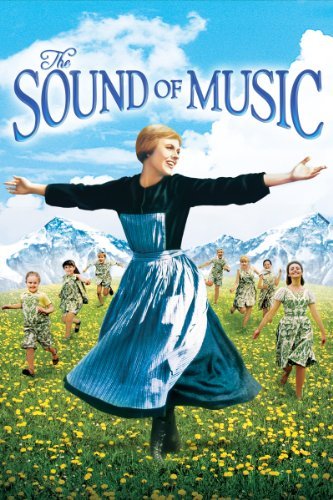
On this day in 1965, The Sound of Music was released in the United States.
Posted in Anniversary, The Big Screen, The Little Screen (Television)
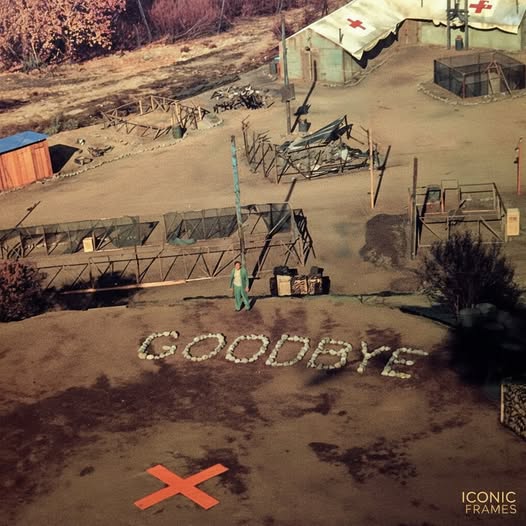
The series premiered on September 17, 1972, and ended on February 28, 1983, with the finale becoming the most-watched television episode in U.S. television history at the time.
“Goodbye, Farewell and Amen” was the final episode of M*A*S*H. Special television sets were placed in PX parking lots, auditoriums, and dayrooms of the US Army in Korea so that military personnel could watch that episode; this in spite of 14 hours’ time zone difference with the east coast of the US. The episode aired on February 28, 1983, and was 2½ hours long.
Posted in Anniversary, Because I Can, The Little Screen (Television)
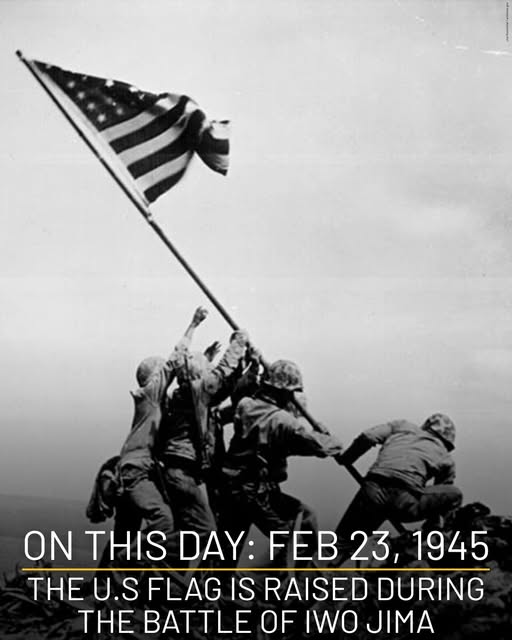
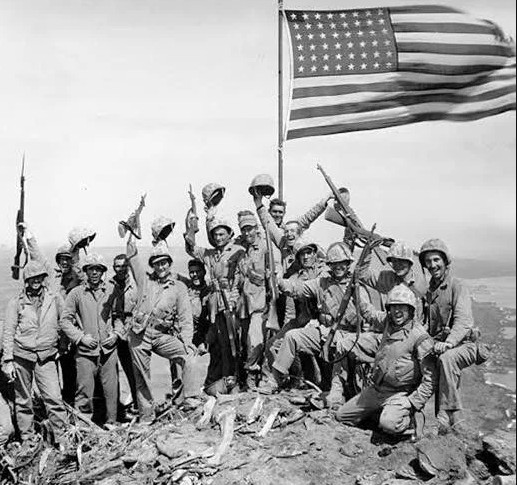
Posted in Anniversary, Because I Can, Events, On This Day, Patriotic
H. L. Hunley was a submarine of the Confederate States of America that fought in the American Civil War. Hunley demonstrated the advantages and dangers of undersea warfare. She was the first combat submarine to sink a warship (USS Housatonic), although Hunley was not completely submerged and, following her attack, was lost along with her crew before she could return to base. Twenty-one crewmen died in the three sinkings of Hunley during her short career. She was named for her inventor, Horace Lawson Hunley, shortly after she was taken into government service under the control of the Confederate States Army at Charleston, South Carolina.
On 17 February 1864, Hunley attacked and sank the 1,240-ton United States Navy screw sloop-of-war Housatonic, which had been on Union blockade-duty in Charleston’s outer harbor. Hunley did not survive the attack and sank, taking all eight members of her third crew with her, and was lost.
Finally located in 1995, Hunley was raised in 2000 and is on display in North Charleston, South Carolina, at the Warren Lasch Conservation Center on the Cooper River. Examination in 2012 of recovered Hunley artifacts suggested that the submarine was as close as 20 ft (6.1 m) to her target, Housatonic, when her deployed torpedo exploded, which caused the submarine’s sinking.
Posted in Anniversary, Because I Can, Patriotic, Planes Trains and Automobiles
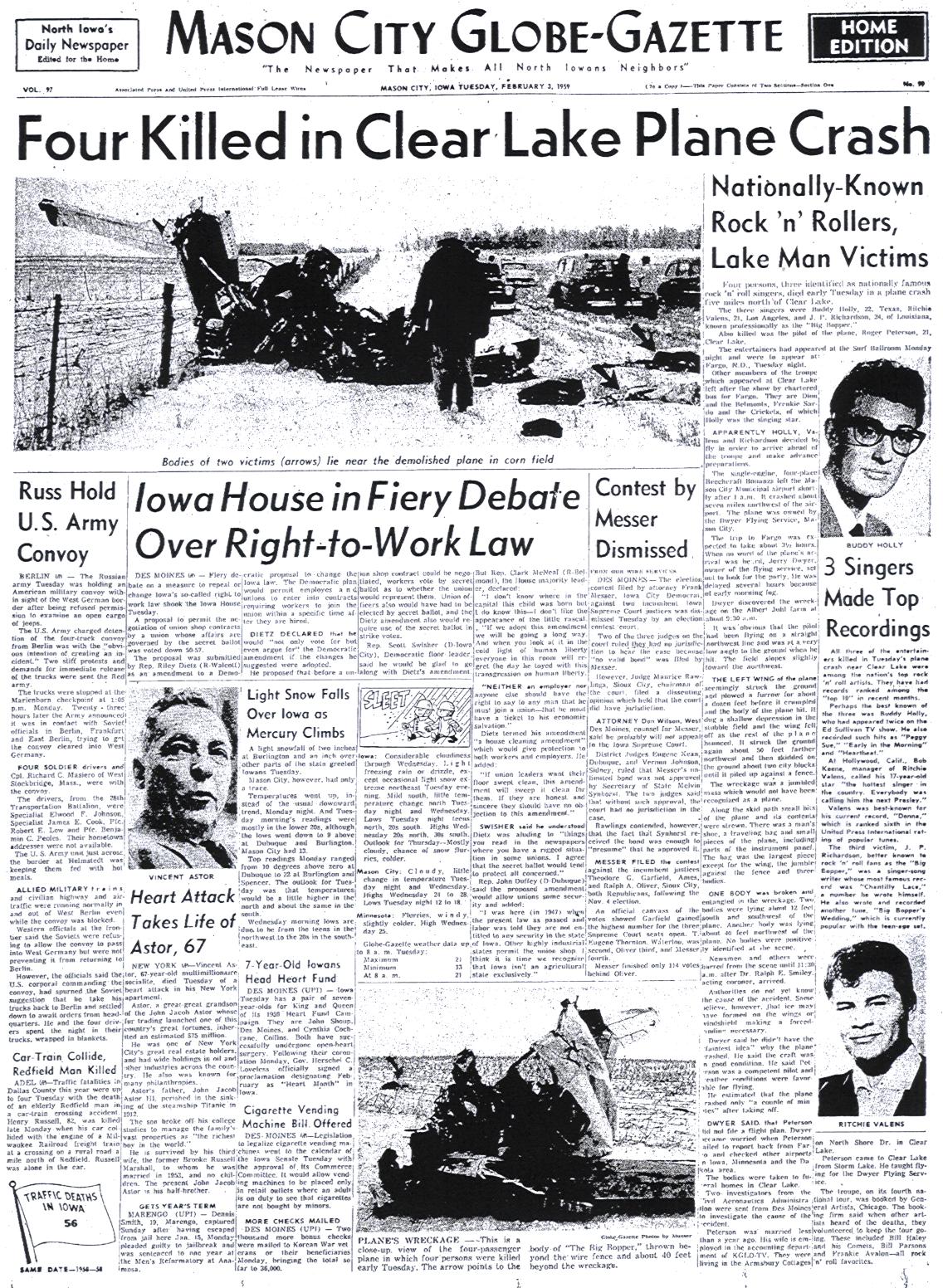
On February 3, 1959, rising American rock stars Buddy Holly, Ritchie Valens and J.P. “The Big Bopper” Richardson are killed when their chartered Beechcraft Bonanza plane crashes in Iowa a few minutes after takeoff from Mason City on a flight headed for Moorhead, Minnesota. Investigators blamed the crash on bad weather and pilot error. Holly and his band, the Crickets, had just scored a No. 1 hit with “That’ll Be the Day.”
After mechanical difficulties with the tour bus, Holly had chartered a plane for his band to fly between stops on the Winter Dance Party Tour. However, Richardson, who had the flu, convinced Holly’s band member Waylon Jennings to give up his seat, and Ritchie Valens won a coin toss for another seat on the plane.
Holly, born Charles Holley in Lubbock, Texas, and just 22 when he died, began singing country music with high school friends before switching to rock and roll after opening for various performers, including Elvis Presley. By the mid-1950s, Holly and his band had a regular radio show and toured internationally, playing hits like “Peggy Sue,” “Oh, Boy!,” “Maybe Baby” and “Early in the Morning.” Holly wrote all his own songs, many of which were released after his death and influenced such artists as Bob Dylan and Paul McCartney.
Another crash victim, J.P. “The Big Bopper” Richardson, 28, started out as a disk jockey in Texas and later began writing songs. Richardson’s most famous recording was the rockabilly “Chantilly Lace,” which made the Top 10. He developed a stage show based on his radio persona, “The Big Bopper.”
The third crash victim was Ritchie Valens, born Richard Valenzuela in a suburb of Los Angeles, who was only 17 when the plane went down but had already scored hits with “Come On, Let’s Go,” “Donna” and “La Bamba,” an upbeat number based on a traditional Mexican wedding song (though Valens barely spoke Spanish). In 1987, Valens’ life was portrayed in the movie La Bamba, and the title song, performed by Los Lobos, became a No. 1 hit. Valens was posthumously inducted into the Rock and Roll Hall of Fame in 2001.
Singer Don McLean memorialized Holly, Valens and Richardson in the 1972 No. 1 hit “American Pie,” which refers to February 3, 1959 as “the day the music died.”
Posted in Anniversary, Because I Can, Music
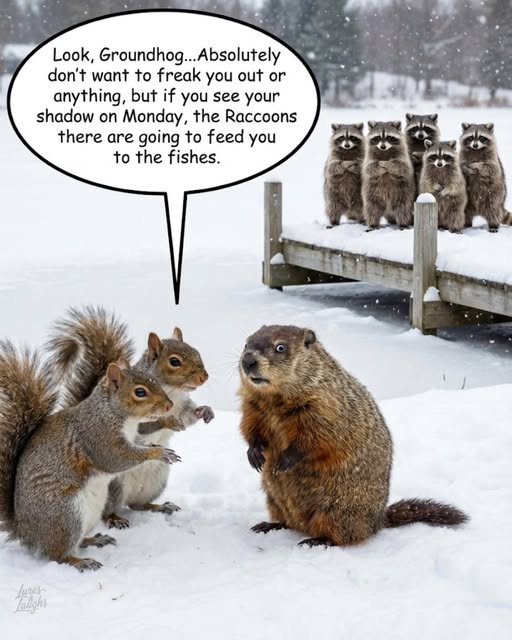
Posted in Anniversary, Because I Can, Critters, Humor, The Little Screen (Television)
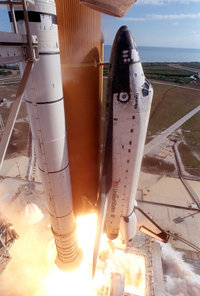
On February 1, 2003, the Space Shuttle Columbia disintegrated during re-entry on its 28th mission; all seven crew members aboard perished.
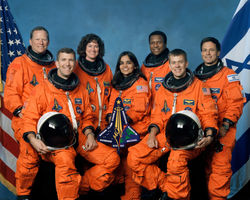
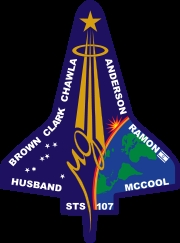
Released on
“The Raven” is a narrative poem by American writer Edgar Allan Poe. First published in January 1845, the poem is often noted for its musicality, stylized language and supernatural atmosphere. It tells of a distraught lover who is paid a visit by a mysterious raven that repeatedly speaks a single word. The lover, often identified as a student, is lamenting the loss of his love, Lenore. Sitting on a bust of Pallas, the raven seems to further antagonize the protagonist with its repetition of the word “nevermore”. The poem makes use of folk, mythological, religious, and classical references.
Poe stated that he composed the poem in a logical and methodical manner, aiming to craft a piece that would resonate with both critical and popular audiences, as he elaborated in his follow-up essay in 1846, “The Philosophy of Composition”. The poem was inspired in part by a talking raven in the 1841 novel Barnaby Rudge by Charles Dickens. Poe based the complex rhythm and meter on Elizabeth Barrett’s poem “Lady Geraldine’s Courtship” and made use of internal rhyme as well as alliteration throughout.
“The Raven” was first attributed to Poe in print in the New York Evening Mirror on January 29, 1845. Its publication made Poe popular in his lifetime, although it did not bring him much financial success. The poem was soon reprinted, parodied, and illustrated. Critical opinion is divided as to the poem’s literary status, but it nevertheless remains one of the most famous poems ever written.
Posted in Anniversary, Because I Can, Literary
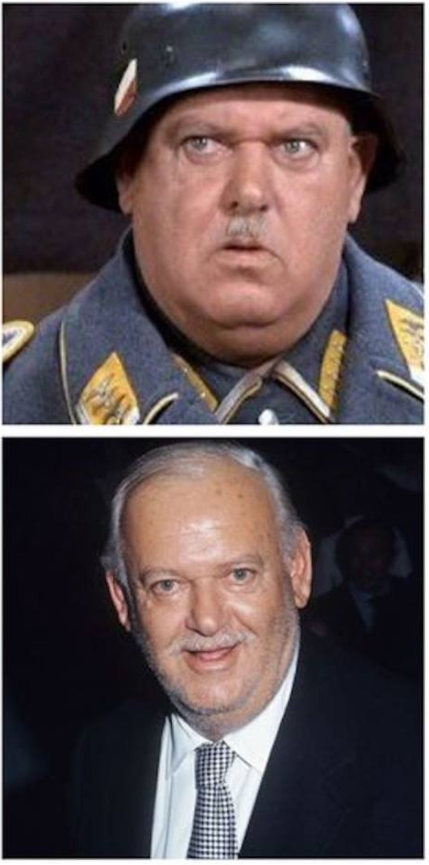
John Banner, born Johann Banner, was born on this date 112 years ago and died 49 years ago at the age of 63. He is best known for his role as Master Sergeant Schultz in the situation comedy Hogan’s Heroes (1965–1971). Schultz, constantly encountering evidence that the inmates of his stalag were planning mayhem, frequently feigned ignorance with the catchphrase, “I know nothing! I see nothing! I hear nothing!” (or, more commonly as the series went on, “I see nothing, nothing!”).
Thank you for years of entertainment!
Posted in Anniversary, Because I Can, Humor, The Little Screen (Television)
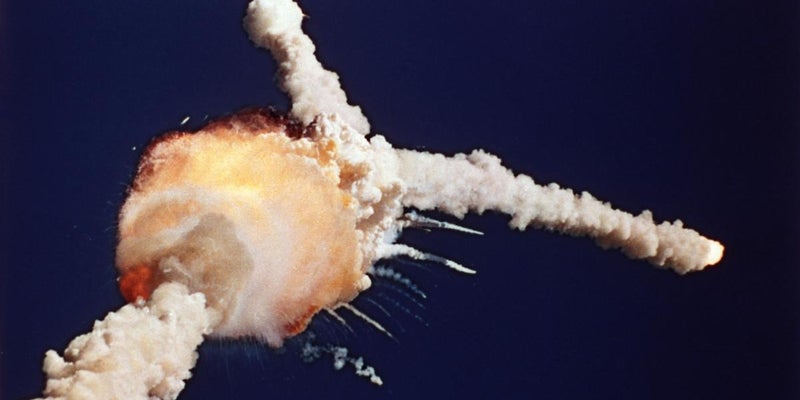
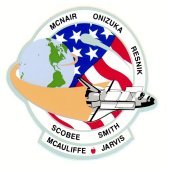
On January 28, 1986 at 11:39 EST, the Space Shuttle Challenger disintegrated 73 seconds into its flight after an O-ring seal in its right solid rocket booster (SRB) failed at liftoff. All seven astronauts on board were lost.
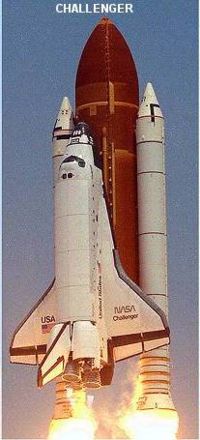
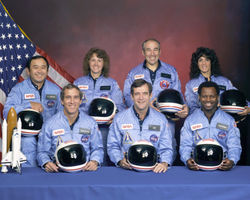
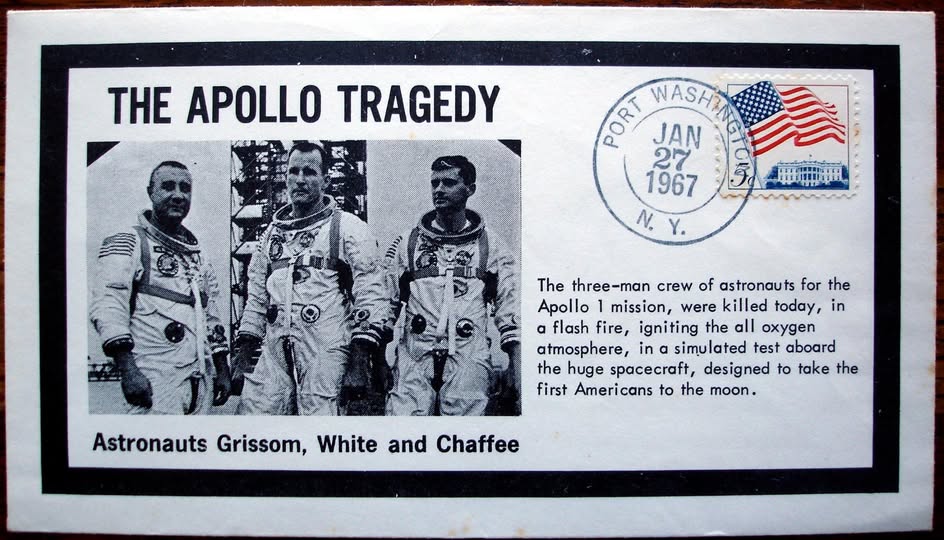
59 years ago today, January 27, 1967, tragedy struck the U.S. space program when Apollo 1 caught fire during a pre-launch test on the launch pad at Cape Kennedy, killing astronauts Virgil I. “Gus” Grissom, Edward H. White II, and Roger B. Chaffee.
The fire broke out inside the command module during a “plugs-out” test, where a high-pressure pure oxygen environment allowed the flames to spread in seconds. The loss of Grissom, White, and Chaffee stunned the nation and led to sweeping changes in spacecraft design, safety procedures, and testing protocols—changes that ultimately made future Apollo missions, including the Moon landings, possible.
Their sacrifice forever shaped human spaceflight.
Posted in Anniversary, Because I Can, On This Day, Patriotic

On this day in 1957, machines at the Wham-O toy company roll out the first batch of their aerodynamic plastic discs–now known to millions of fans all over the world as Frisbees.
Posted in Anniversary, Because I Can, On This Day
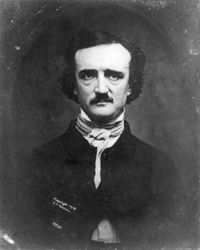
Edgar Allan Poe was an American poet, short story writer, editor, critic and one of the leaders of the American Romantic Movement. Best known for his tales of the macabre, Poe was one of the early American practitioners of the short story and a progenitor of detective fiction and crime fiction. He is also credited with contributing to narrative forms of the emergent science fiction genre.
Posted in Anniversary, Because I Can, Literary
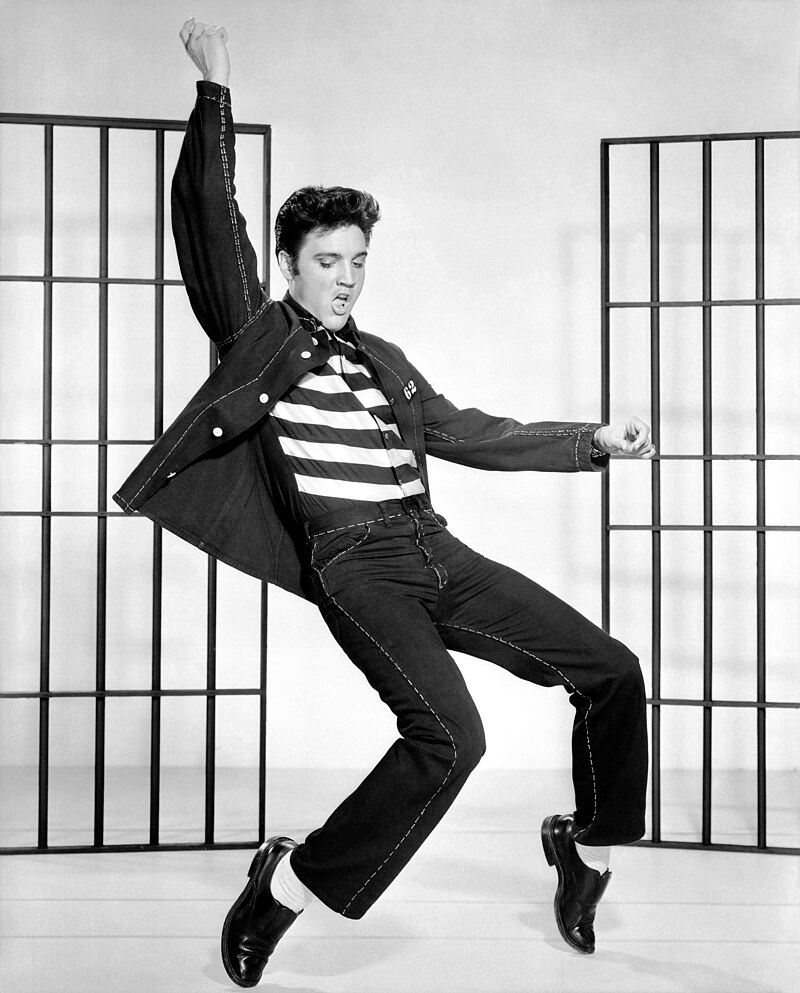
Elvis Aaron Presley (January 8, 1935 – August 16, 1977), also known mononymously as Elvis, was an American singer and actor. Regarded as one of the most significant cultural icons of the 20th century, he is often referred to as the “King of Rock and Roll” or simply “the King”.
Posted in Anniversary, Because I Can, Music, The Big Screen
It’s a Wonderful Life is a 1946 Frank Capra film, produced by his own Liberty Films and released originally by RKO Radio Pictures. Dubbed by the American Film Institute one of the best films ever made, it placed #1 on AFI’s 100 Years… 100 Cheers, a list of the most inspirational American movies of all time. It ranks 11th on AFI’s 100 Years… 100 Movies, a list of the greatest American films. The film has also been selected for preservation in the United States National Film Registry.
The movie is the story of the life of everyman George Bailey, as told to his guardian angel Clarence Oddbody, who has been recruited to save him in his moment of need.
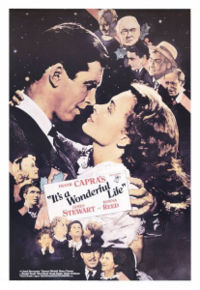
The film premiered on December 20, 1946 in the New Globe Theater on Governors Island.
The film was released in theaters January 7, 1947.
Dear George:—
Remember no man is a failure who has friends.
Thanks for the wings!
Love
Clarence.
Posted in Anniversary, Because I Can, The Big Screen